

Low Danube Water Levels Worsen Power Crisis in Hungary and Romania: What You Need to Know
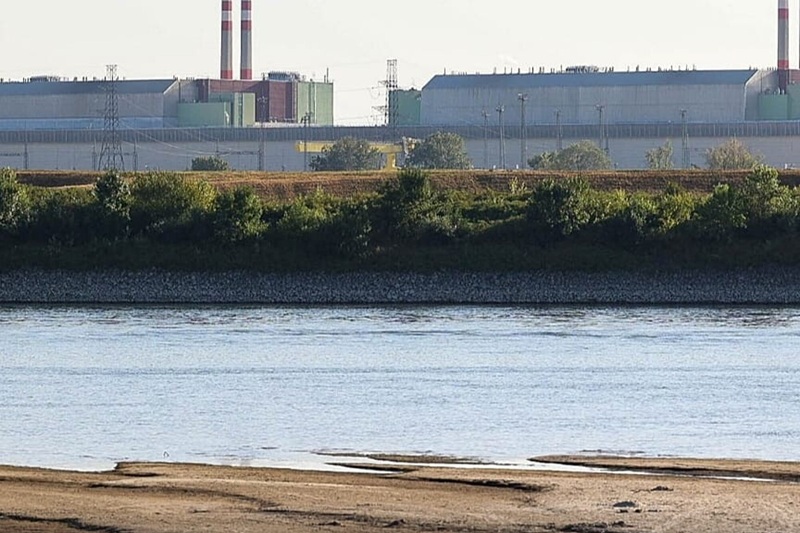
The Danube, one of Europe’s most important waterways, is drying up again and the effects go far beyond shipping. Low water levels on the Lower Danube now threaten power generation, revealing the energy vulnerabilities of Hungary and Romania and creating new questions about Europe’s climate resilience. Parts of Central and Eastern Europe are enduring long-lasting heatwaves and low rainfall, which means authorities and energy companies are struggling to keep hydropower output and electricity supply stable. The situation has renewed debate over climate change’s impact on Europe’s critical infrastructure.
Why Are Low Danube Water Levels Becoming a Major Problem?
The story of the deepening power crisis in Hungary and Romania because of the low Danube water levels starts with one simple fact: rivers are vital for energy production. The Danube provides cooling for thermal power stations, supports hydro power plants and is an important transport route for fuel and industrial goods. When water levels drop dramatically, all these functions are made harder. Recent weeks of anomalously dry conditions and hot summer temperatures have brought parts of the Lower Danube to critically low levels. Lower river flow has restricted the amount of electricity hydropower plants can generate and has also made navigation difficult for cargo ships carrying coal, fuel and raw materials.
How Hungary and Romania Are Being Affected
Romania is heavily dependent on hydropower in its electricity mix. Lower river flows mean dams produce less power, forcing the country to rely more on other sources such as natural gas or imported power during periods of high demand. Hungary has a related but different problem. While not as dependent on hydro power as Romania, the country’s energy system still experiences the effects of lower Danube levels through diminished river transport and pressure on regional electricity markets. That mix has raised concerns about energy prices, the reliability of the grid and the stability of electricity supplies during the peak summer season, when demand for cooling is already pushing up power use.
Climate Change Is Making Extreme Weather More Common
Scientists have issued warnings on repeated occasions that Europe is warming up faster than most other regions in the world. Droughts are becoming more frequent, record-high temperatures are being set, rainfall is becoming erratic, all of which mean rivers could go to critically low levels. Similar disruptions have occurred on the Danube in recent years but experts say repeated examples of this nature indicate they are no longer isolated events. Lower levels in rivers not only hamper hydropower generation but also threaten agriculture, drinking water supplies, biodiversity, tourism and commercial shipping in several European countries.
Economic and Social Impact
Economic implications go far beyond mere electricity generation. Shipping lines that carry fuel, grain and industrial materials frequently have to lighten loads when rivers get too shallow. This adds to the cost of transportation and delays deliveries throughout Central and Eastern Europe. Higher energy production costs can also mean higher electricity prices for businesses and households if utilities have to switch to more expensive power sources. Furthermore, industries relying on dependable energy sources might encounter increased operational expenses, and governments might have to take emergency actions to ensure grid stability during prolonged periods of heat.
Stay Ahead with Today’s Biggest Global Stories
Can Gaza Peace Finally Last?
Explore how Hamas accepted a ceasefire roadmap featuring complete disarmament and what it means for the region.
Who Made Algeria’s Political History?
Discover how Khalida Boufedeche became Algeria’s first woman parliamentary speaker and why it matters.
Why Are Copper Prices Dropping?
Check what caused copper prices to fall before the Fed’s rate decision and how global supply influenced markets.
How Is Europe Supporting Ukraine?
Explore how the European Commission’s €3.47 billion package will strengthen Ukraine’s defence capabilities.
What Did Zendaya Reveal Recently?
Discover what Zendaya shared about working with Tom Holland and their friendship on the Spider-Man set.
Why This Matters for Europe
The Low Danube Water Levels Worsen Power Crisis in Hungary and Romania points to a growing challenge for Europe: How to prepare infrastructure for a changing climate. Energy experts are making a stronger case for countries to diversify their electricity systems by adding renewable energy, modernizing power grids, adding battery storage and improving water management. For now, the priority is to make sure electricity supplies are reliable, but policymakers are also looking at long-term investments that can help be less dependent on river conditions during extreme weather periods. The current situation is another reminder that climate-related disruptions are an increasingly important factor in planning for European energy security.
FAQs
1. What’s causing low Danube water levels to affect power generation?
With lower water levels, there is less water flowing through the hydropower plants. This means there is less power production and more pressure on other energy sources.
2. Why is Romania more affected than Hungary?
Romania’s electricity production is more dependent on hydropower, thus it is more affected by the lower river flow.
3. Could low river levels increase electricity prices?
Yes. If countries produce less hydropower, they may need to purchase electricity or turn to costlier fuel sources, which could raise power prices.

