

Indonesia’s New Finance Minister Pledges Tax Refunds for Overpaid Taxes as Delays Come Under Scrutiny
If you’ve overpaid your taxes, getting that money back matters just as much as paying it did in the first place. In Indonesia, that’s become a real sore point lately refunds have been slow to arrive, and the country’s newly appointed finance minister is now stepping in to address it.
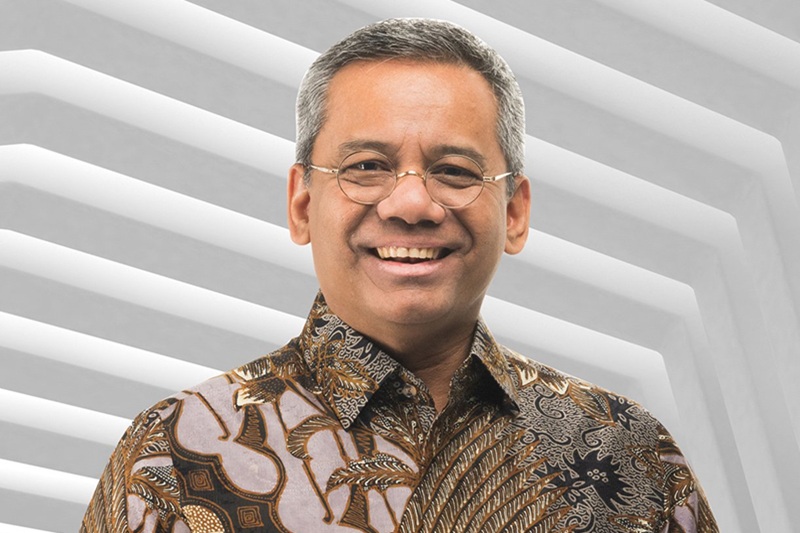
Suahasil Nazara took over as finance minister this week, replacing Purbaya Yudhi Sadewa, and one of his first public commitments was straightforward: taxpayers owed refunds will get them, in line with the rules already on the books. It’s a small statement on paper, but it lands at a moment when a lot of people are watching closely.
Why This Appointment Matters
Nazara didn’t step into a calm situation. His predecessor lasted only about a year before being replaced, which alone raises questions about where the finance ministry is headed. Against that backdrop, a pledge about refunds isn’t just bureaucratic housekeeping, it’s a signal about priorities.
And for the businesses and individuals waiting on money they’re legally owed, that signal counts. Overpayments happen for mundane reasons that mismatches between what was paid throughout the year and what was actually owed once everything’s tallied. When the numbers show someone paid too much, they’re entitled to get the difference back.
What’s Actually Been Causing the Delays
Per Reuters, the backlog traces back to a surge in refund-related audit requests during Purbaya’s time in office. More audits meant more bottlenecks, and refunds piled up waiting to be processed. Nazara’s comments suggest the new administration wants to clear that backlog without cutting corners on legitimate scrutiny.
There’s also a regulatory piece to this. Indonesia rolled out Finance Ministry Regulation No. 28 of 2026 back on May 1, replacing the older rulebook on advance tax refunds. It covers both income tax and VAT overpayments, with different processing windows depending on what kind of taxpayer you are and in certain cases, tax authorities are legally bound to issue a decision within a set number of days.
Why It Matters Beyond the Paperwork
For companies, this isn’t abstract. Money tied up in a slow refund process is money that isn’t going toward payroll, suppliers, or new investment. Cash flow suffers while the wait drags on. For individuals, the stakes are simpler but just as real it’s their money, sitting with the state longer than it needs to, as long as their claim checks out. The tax authority has framed the newer rules as a push toward more legal certainty and consistency, partly leaning on the Coretax platform to modernize how refunds get processed.
An Early Test for Nazara
This refund issue is likely to be one of the first real measures of how Nazara runs the ministry. Speeding things up would go a long way toward rebuilding trust, especially among businesses that need predictability to plan ahead. But there’s a balancing act here refunds still have to go through proper checks, and Indonesia’s current rules keep both formal and substantive verification in place. So the real test isn’t just whether Nazara says the right things, but whether the backlog actually starts moving.
FAQs
Why does Indonesia refund taxes?
When someone pays more than they actually owe and their claim meets the requirements, they’re entitled to get the excess back.
Who is Indonesia’s new finance minister?
Suahasil Nazara, who took office in September 2026, succeeding Purbaya Yudhi Sadewa.
Why were refunds delayed?
A spike in audit requests for refund claims under the previous minister slowed down processing, per Reuters.
What changed with the 2026 rules?
Regulation No. 28 of 2026, effective May 1, updated how advance refunds on overpaid taxes are handled.
Why does refund speed matter to businesses?
Delays lock up working capital that companies would otherwise use for day-to-day operations and growth.
Related Articles You May Find Interesting
Why Did Crypto Clarity Act Fail?
Check out the key reasons the cryptocurrency bill failed to advance in the US Senate.
Who Are Trump’s New Envoy Picks?
Find out about Wesley Hunt and Kimberly Greenwood’s new diplomatic appointments.
Why Did US Expand Iran Sanctions?
Uncover the networks targeted by the latest US sanctions over alleged support for Hezbollah and Iraqi militias.
How Could Financial Power Shape Markets?
Explore Scott Bessent’s views on using financial power as a foreign policy tool and its global impact.
What Happened in Turmus Ayya?
Dive into the US ambassador’s West Bank visit amid rising settler violence in Turmus Ayya.

