

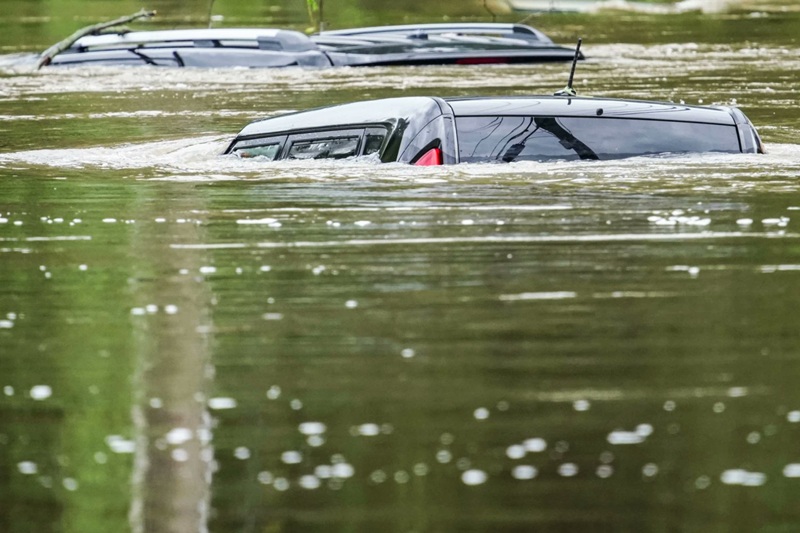
Indiana Floods Kill Six as Record Storms Trigger Historic Flooding and Mass Rescues
It’s the kind of storm longtime Hoosiers say they’ve never seen. Days of relentless rain sent rivers surging past century-old records, swallowed homes and roads whole, and sent rescue crews scrambling across central Indiana. By Saturday, state officials had confirmed six deaths among them a four-year-old boy. By Sunday, that number had climbed to seven as crews kept combing through the wreckage.
When the Sky Wouldn’t Stop
The trouble started with wave after wave of severe thunderstorms rolling through the state. In just two days, some areas got soaked with more than 11 inches of rain, the kind of downpour that drainage systems, creeks, and rivers simply aren’t built to handle. Nowhere felt it more than the White River. In central Indiana, it climbed higher than anything recorded since 1913. Up in Noblesville, the water hit around 24.6 feet. Indianapolis wasn’t spared either, with the river reaching some of its highest levels ever recorded there. For anyone living near the river, it wasn’t just inconvenient, it was terrifying. The roads people would normally use to get out were underwater themselves, leaving many with nowhere to go but up, waiting for help to arrive.
A City Scrambling to Save Its Own
Rescue crews didn’t get much rest. The Indianapolis Fire Department ran 56 separate rescue missions, pulling around 100 people and 48 pets out of homes and flooded streets. Even once the water started to drop, some neighborhoods stayed cut off, too dangerous or too submerged to reach. The storm didn’t just take out roads, it knocked out power too. Nearly 130,000 customers lost electricity at the height of it all, and bridges and infrastructure across the region took a beating. And for the families who made it out safely, the ordeal is far from finished. Once the water recedes, what’s left behind mold, structural damage, live wires, contaminated debris can be just as dangerous as the flood itself.
A “100-Year Flood” and a Warning Sign
This wasn’t just a rough week of weather. It’s a stark reminder of how fast extreme rain can overwhelm even communities that rarely deal with major flooding. Jacob Spence, who heads Marion County’s Emergency Management office, didn’t mince words, calling what hit Indianapolis a “100-year flood.” The financial toll is only starting to come into focus. Homeowners are staring down costly repairs, businesses are counting lost inventory and lost days, and local governments will be paying for debris cleanup, road repairs, and emergency response for a long while. It’s likely to reignite the same old debates about building in floodplains, aging drainage systems, and whether early-warning systems are keeping pace with increasingly wild weather.
What’s Making Headlines Around the World?
What Does Todd Blanche’s DOJ Win Mean?
Check out what Todd Blanche’s confirmation could mean for the US Department of Justice.
Why Are Canadians Targeting Hoekstra?
Find out why Canadians are calling for US Ambassador Pete Hoekstra’s expulsion.
How Is Etna Disrupting Malta Flights?
Uncover the latest updates on Mount Etna’s eruption and its impact on Malta flights.
Could New Sanctions Derail US-China Talks?
Browse the latest US-China tensions and how fresh sanctions could affect upcoming negotiations.
What Caused the Statue Boat Tragedy?
See what happened to the boat near the Statue of Liberty and the charges against its captain.
The Water’s Going Down, But It’s Not Over
By Monday, the floodwaters in central Indiana had finally started to recede, giving exhausted residents a bit of breathing room. But officials were quick to caution that plenty of areas are still unsafe, and the real work assessing the damage, clearing debris, rebuilding is only just beginning. For the people who lived through it, this flood will likely go down as one of the worst the state has seen in decades. And for the officials now picking up the pieces, the job ahead isn’t just fixing roads and power lines, it’s restoring some sense of safety and trust for the communities that got hit hardest.
FAQs
How many people have died in the Indiana floods?
At least six deaths had been confirmed by state officials on August 15. By August 16, multiple reports said the death toll had risen to seven as authorities continued their assessment.
How much rain fell in Indiana?
Some areas received more than 11 inches of rain over a two-day period, according to the National Weather Service reporting cited by officials.
Which river caused major flooding?
The White River was among the most severely affected waterways, reaching record or near-record levels in central Indiana communities.

