How Much Water Should You Drink Every Day? The Answer May Surprise You
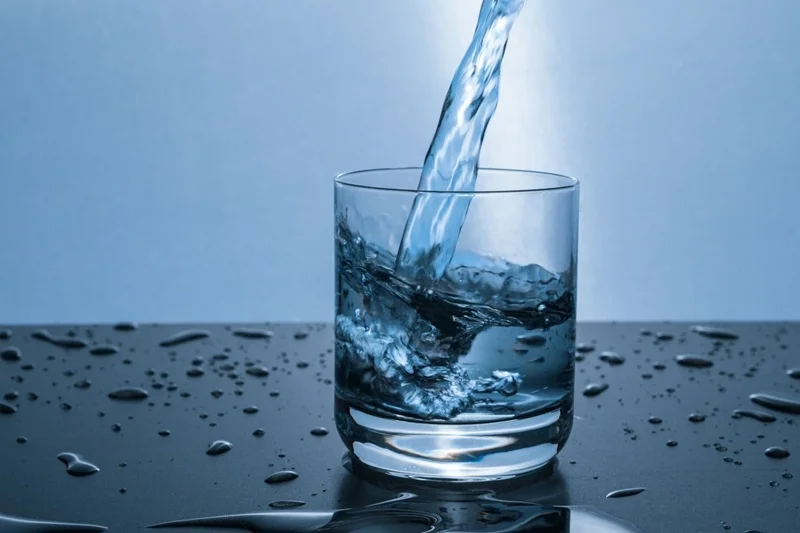
For years, a lot of folks have heard the well known advice to drink eight glasses of water a day. It has become one of the most repeated health recommendations but experts say the guideline is now far too simplistic. So how much water do you need to drink each day? The answer depends on a number of personal factors including your age, body size, physical activity, climate where you live, overall health, and even the foods you eat. Health experts say there’s no one-size-fits-all number, but rather listen to your body’s hydration needs.
The 8-Glass Rule Was Never Meant to Be Universal
The popular “8×8 rule” eight 8-ounce glasses of water a day has long been an easy reminder to drink enough water. But medical experts say there is no scientific evidence that this amount is ideal for everyone. Daily fluid needs vary depending on factors such as age, physical activity, climate, pregnancy, illness and certain medications, says Mayo Clinic. Similarly, Harvard Health notes that many healthy adults may only need around four to six cups of plain water each day, with the remainder of their fluid intake coming from food and other beverages. That’s a big difference. Hydration doesn’t come exclusively from drinking water. Watermelon, cucumbers, oranges, soups, leafy vegetables and other water-rich foods contribute to your daily fluid intake, as do drinks like milk, tea and even coffee.
Experts Recommend Looking at Total Fluid Intake
Instead of counting glasses of water, health professionals recommend people think about their total daily fluids.
General recommendations are that healthy adults should have approximately:
- Men: About 15.5 cups (3.7 liters) of total beverages a day
- Women: About 11.5 cups (2.7 L) of total fluids a day
These numbers include fluid from drinking water, other beverages and moisture naturally present in food. But these numbers are still estimates not set daily goals. An individual working outside in hot temperatures or exercising vigorously will need substantially more fluids than an individual spending the majority of the day indoors in a climate controlled environment.
Why Staying Hydrated Matters
Water is essential for nearly every function of the body. It helps regulate body temperature, carries nutrients, aids digestion, lubricates joints, cushions organs and helps the brain function efficiently. Even mild dehydration can result in visible alterations. Health experts say not drinking enough fluids can lead to fatigue, headaches, poor concentration, dizziness and a dip in physical performance. Hydration is particularly important during periods of extreme heat, prolonged exercise, illness or heavy work. Certain groups of people may be more at risk of dehydration than others, such as older adults, athletes, young children and people with certain medical conditions.
Signs Your Body Needs More Water
Your body usually gives you early warning signs before dehydration becomes serious. Symptoms often include:
- Thirst.
- Dark yellow urine
- Dry mouth
- Headache
- Giddiness
- weary
- Constipation.
In contrast, pale yellow or nearly clear urine combined with an absence of constant thirst is usually interpreted as a sign of sufficient hydration. Experts also recommend drinking fluids consistently throughout the day instead of waiting until you’re extremely thirsty. Drinking water with meals, between meals and before, during and after exercise can help keep you hydrated and healthy.
Trending Now: Stories Everyone Is Talking About
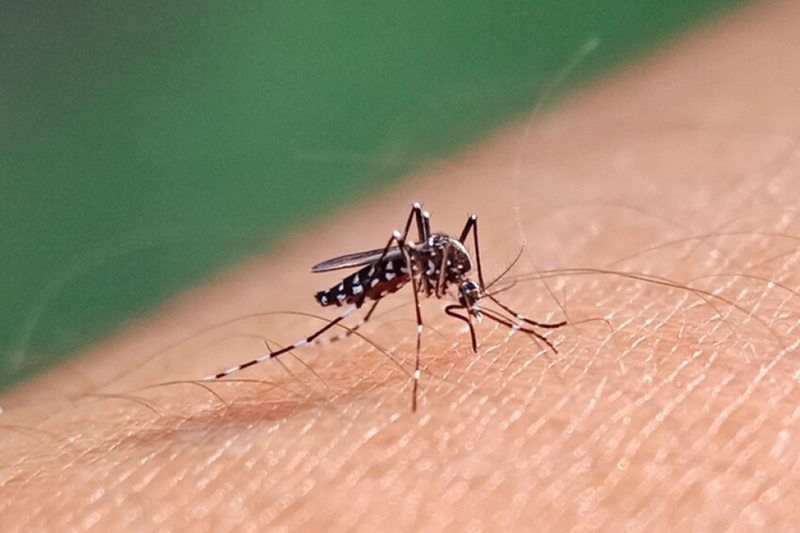
1. Why Do Mosquito Bites Feel Worse?
Explore the science behind why scratching mosquito bites increases irritation and makes itching harder to control.
2. Is AI Dating Advice Really Helpful?
Discover what experts say about using AI chatbots for relationships, dating choices, and emotional guidance.
3. Why Is Motor City Trending Now?
Check why Alan Ritchson’s latest trailer is gaining attention from John Wick and Reacher fans.
4. Can They Escape From Season 4?
Explore what happens in the From Season 4 finale and where fans can watch Episode 10 online.
5. What Made Druski’s BET Moment Special?
Discover everything about Druski’s historic hosting moment and the major honors for Lauryn Hill and Teyana Taylor.
A Better Way to Stay Hydrated
The biggest surprise, perhaps, is that there is no single “perfect” number that everyone should be following. Experts suggest that instead of focusing on a daily water quota, it is better to develop simple habits such as drinking regularly, eating foods rich in water, consuming more fluids when the weather is hot or when exercising, and paying attention to the signals your body sends you. Coffee and tea can also count towards your daily fluid intake, but plain water is the healthiest and most practical choice for most people. In the end, the best hydration strategy is the one that maintains your energy, comfort and hydration levels all day long, not one based on an archaic rule.
FAQs
Does eight glasses of water a day cut it?
Not necessarily. It’s a good reminder to drink plenty of water, but everyone’s water needs are different depending on your age, activity level, the weather and general health.
Is coffee part of your daily water intake?
Yes. Experts say coffee and tea are part of your daily fluid intake, even though they have a mild diuretic effect.
How do I know if I’m dehydrated?
Common symptoms include increased thirst, dark urine, dry mouth, headaches, light-headedness, tiredness and constipation.
How much water do I need to drink in hot weather?
Yes. As it gets hotter and you start sweating more, your body loses more fluid, so you need to replace it by drinking more water.