Why Mosquito Bites Get Worse When You Scratch Them: What Scientists Have Discovered
You’ve probably heard the advice: Don’t scratch a mosquito bite. It’s hard to resist that instant relief, but scientists now say scratching does far more than irritate your skin; it actually fuels the body’s inflammatory response, making the bite itchier, redder and slower to heal. Recent scientific research has uncovered the biological chain reaction that explains why scratching a mosquito bite can transform a minor annoyance into days of discomfort. The findings reveal a complex interaction between the nervous system and the immune system, paving the way for new insights into the classic itch-scratch cycle.
What Happens When a Mosquito Bites You?
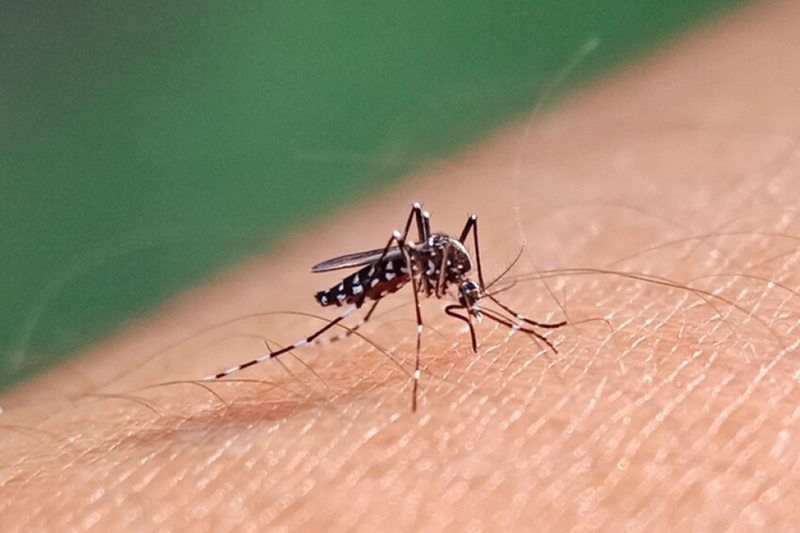
Mosquito bites are more than just a tiny hole in the skin. The insect feeds by injecting saliva containing proteins that prevent the blood from clotting. Your immune system will recognize those proteins right away as foreign invaders and attack them. One of the first chemicals released during this response is histamine, which causes blood vessels to expand, resulting in swelling, redness, and the unmistakable itchy bump. Histamine also stimulates special nerve endings in the skin, which produce the urge to scratch. That initial itch is a normal immune reaction. The problem begins when you submit to it.
Scientists Discover Why Scratching Makes Mosquito Bites Worse
New research indicates that scratching not only damages the skin but also actively increases the body’s immune response. What the researchers found is that scratching stimulates pain-sensitive nerve cells to release signaling molecules, such as substance P, that communicate directly with immune cells called mast cells. When these mast cells are activated, they release more histamine and other inflammatory chemicals. The result is an enhanced immune response, which leads to:
- Increased swelling
- More redness
- Longer-lasting itching
- Greater skin irritation
Animal studies also showed that subjects prevented from scratching experienced significantly milder inflammation than those allowed to scratch repeatedly.
Understanding the Itch-Scratch Cycle
Scientists now say that mosquito bites are part of a self-perpetuating biological loop. This is how the process works: Itching from a mosquito bite. Scratching the itch activates pain-sensing nerves. Those nerves trigger immune cells, which release more inflammatory chemicals. The increased inflammation leads to more itching which promotes more scratching. This cycle can continue for hours or even several days, especially if the skin is damaged. The study also suggests that the inflammation caused by nerves takes a different route than a typical allergic reaction, which helps explain why some bites get much worse after repeated scratching.
Why These Findings Matter
The new understanding is more than an explanation of a common irritation. The skin’s protective barrier can be broken down by scratching it repeatedly. This can let bacteria get in and raise the chances of infection. Scratched bites can also scar or darken, and may take weeks or months to fade. People who live in areas with lots of mosquitoes or who travel to such places and get bitten often may be able to heal better and avoid secondary skin infections if they can stop scratching too much. The researchers also think these findings could pave the way for future treatments that target nerve signals, rather than simply histamine, potentially providing faster and longer-lasting itch relief.
How to Stop the Itch Before It Gets Worse
The experts say that the best thing to do is to treat a mosquito bite as soon as possible, before the itching gets unbearable. Simple strategies are:
- Avoid scratching, even if the itch feels intense.
- Apply a cold compress to reduce inflammation.
- Use cooling products containing menthol to temporarily calm itch-sensitive nerves.
- Consider antihistamine creams or oral antihistamines if recommended by a healthcare professional.
- Topical hydrocortisone creams may help reduce localized inflammation.
- Keep the affected area clean to lower the risk of bacterial infection if the skin becomes damaged.
Most mosquito bites improve within a few days when left alone.
Trending Now: Stories You Don’t Want to Miss
Why Is Western Style Back Again?
Explore how Stetson is bringing classic cowboy fashion back into modern trends.
What Wearable Tech Is Trending Now?
Discover the latest smart devices changing how people track health and lifestyle.
Why Are Solar Watches Popular Again?
Check what is driving the comeback of sustainable and innovative timepieces.
Are Your Apps Watching You?
Explore hidden privacy settings that can help protect your personal data.
Should You Buy Gold After Prices Drop?
Discover key factors to consider before making your next gold investment move.
A New Direction for Mosquito Bite Treatment
New research is reshaping how scientists think about treating itchy insect bites. The usual drugs mainly work by blocking histamine once it has been released. But now scientists think that cutting the messages between nerves and immune cells could be even more powerful. Future therapies may be able to target those nerve signals themselves, helping to turn off the itch before inflammation spirals into the familiar scratch-and-itch cycle. Until such treatments are available, there is one piece of advice that has stronger scientific backing than ever before: The less you scratch, the faster your mosquito bite will heal.
Frequently Asked Questions
Why does scratching a mosquito bite itch even more?
When you scratch, you activate pain-sensitive nerve fibers that stimulate immune cells to release more histamine and inflammatory chemicals, which only makes the itch worse, not better.
How long does a mosquito sting last?
Most mosquito bites will resolve within three to seven days. Continued scratching can slow healing and increase the chance of infection.
What’s the quickest way to get rid of mosquito bite itching?
A cold compress, menthol creams, antihistamines or hydrocortisone cream can help to reduce itching and inflammation.
Can you scratch a mosquito bite and get an infection?
Yes. Scratching too hard can break the skin and let bacteria get in, which can cause redness, swelling, pus and a skin infection.