

How China’s Investments Continue to Shape Africa’s Infrastructure and Economic Growth
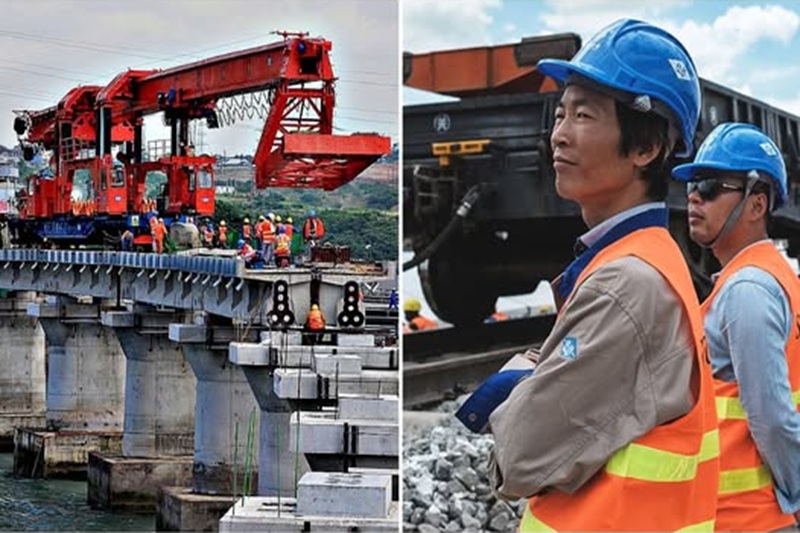
Across Africa, new highways, railways, ports, and power stations are changing the way people live and businesses operate. Behind many of these large-scale projects is one major investor China. Over the past two decades, Chinese funding has become one of the biggest drivers of infrastructure development across the continent, helping many African nations improve transportation, energy, and trade. While these investments have created opportunities for economic growth, they have also sparked debates about debt, long-term sustainability, and geopolitical influence. As China continues to deepen its presence in Africa, the impact is becoming impossible to ignore.
China’s Long-Term Investment Strategy in Africa
China’s engagement with Africa accelerated in the early 2000s and expanded significantly through the Belt and Road Initiative (BRI), launched in 2013. Rather than focusing only on trade, Beijing has invested billions of dollars in roads, railways, airports, ports, industrial parks, and renewable energy projects. Countries including Kenya, Ethiopia, Nigeria, Egypt, Angola, and Tanzania have received substantial Chinese financing for infrastructure that many governments struggled to fund through traditional international lenders. Unlike short-term development aid, many Chinese-backed projects are designed to support long-term economic activity by improving transportation networks and reducing business costs.
Infrastructure Projects Are Boosting Economic Growth
Modern infrastructure plays a critical role in economic development, and this is where Chinese investment has had one of its biggest impacts. New railway lines have reduced travel times for both passengers and cargo. Expanded ports have increased export capacity, while improved road networks have made it easier for farmers and manufacturers to reach markets. Reliable electricity projects have also helped businesses operate more efficiently, encouraging industrial growth and attracting additional foreign investment. Economists generally agree that better infrastructure can increase productivity, improve regional trade, and support job creation when projects are managed effectively.
Trade Between China and Africa Continues to Expand
China has remained Africa’s largest trading partner for more than a decade. The relationship extends beyond construction projects, with growing trade in minerals, agricultural products, manufactured goods, and technology. African countries export products such as copper, cobalt, oil, cocoa, and agricultural commodities to China while importing machinery, electronics, construction equipment, and consumer goods. The expansion of transport infrastructure has made cross-border trade faster and more efficient, helping businesses access larger regional markets.
Keep Reading: Discover More Expert Insights, Health Breakthroughs & Inspiring Stories
1. What Drives Your Best Performance?
2. Could Insulin Pills Change Diabetes?
3. How Did She Lose Weight?
4. Why Is Vikram-1 Historic?
Explore how Skyroot’s Vikram-1 launch marked a major milestone in India’s private space journey.
5. Are You Protecting Your Hearing?
Opportunities Come With Challenges
Despite the visible benefits, China’s investments have also generated criticism. Some analysts argue that several African countries have accumulated significant debt through infrastructure loans, raising concerns about repayment during periods of economic slowdown. Others question whether local companies receive enough opportunities during construction or whether too many materials and workers are sourced from China. Environmental groups have also called for stronger sustainability standards, particularly for mining, transportation, and large-scale construction projects. However, many African governments argue that infrastructure development remains essential for long-term economic progress and that these investments fill financing gaps left by traditional lenders.
FAQs
1. Why is China so heavily invested in Africa?
China’s investments in Africa are aimed at increasing trade, securing access to natural resources, establishing broader economic ties globally, and supporting infrastructure development through such endeavors as the Belt and Road Initiative.
2. What kinds of projects does China support in Africa?
Chinese investment has focused mainly on roads, railways, ports, airports, power plants, industrial parks, telecom and renewable energy projects.
3. What are the benefits of Chinese investment for Africa?
Improved infrastructure will facilitate trade, reduce the cost of transportation, create jobs, increase access to energy and support long-term economic growth.

