Google’s 10-Second Pause Could Change the Way You Use Instagram and TikTok
For years, tech companies have been blamed for designing apps that are almost impossible to put down. Endless scrolling, autoplay videos, and algorithm-driven feeds: everything is engineered to keep users glued to their screens for just “one more minute.” Now, Google appears to be taking a surprisingly direct step against that behavior. With the rollout of Android 17, the company has introduced a new Digital Wellbeing feature called “Pause Point,” and it does something many users may find both annoying and oddly effective: it forces you to wait 10 seconds before opening distracting apps like Instagram, TikTok, YouTube, or X. It sounds simple. But that tiny delay could end up reshaping how millions interact with social media every day.
What Exactly Is Google’s “Pause Point”?
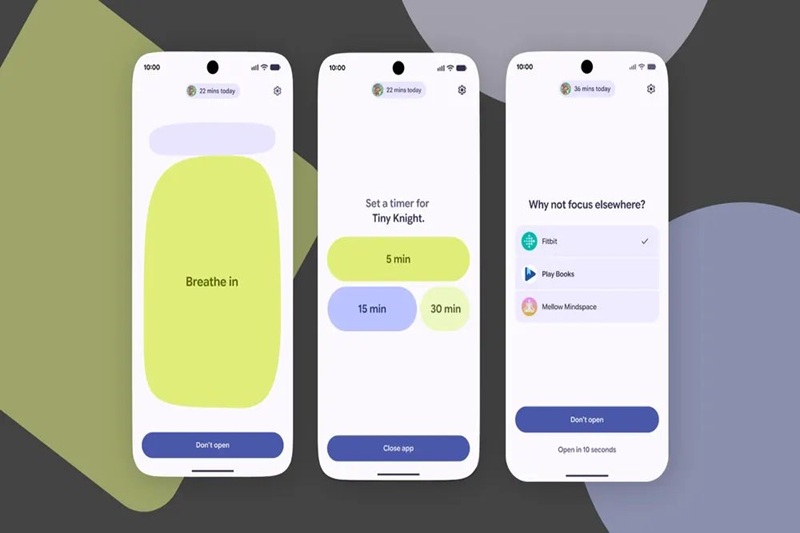
The feature acts like a speed bump for compulsive phone habits. Once enabled, any app marked as “distracting” won’t open instantly anymore. Instead, Android freezes the launch screen and starts a visible countdown timer. During those 10 seconds, users see a calming prompt asking something along the lines of, “Why am I here?” The idea is not to ban social media entirely. Google is trying to interrupt automatic behavior, the unconscious tap most people make dozens, or even hundreds, of times a day.
Users can still open the app after the timer ends, but the forced pause creates a moment of awareness before the scroll begins. Some versions of the feature also include optional breathing prompts or mindfulness reminders designed to reduce impulsive usage. In practice, it feels less like parental control software and more like someone gently tapping your shoulder and asking if you really need to open TikTok again.
Why Google Is Suddenly Fighting Doomscrolling
The timing is not accidental. Digital addiction and youth mental health have become major global concerns, especially as governments increase pressure on Big Tech companies over the effects of social media. Average screen time across social platforms now exceeds two and a half hours daily in many markets, with studies repeatedly linking excessive scrolling to anxiety, stress, poor sleep, and reduced concentration. Google says the feature is designed to help users “reclaim intentional time,” especially from apps built around endless engagement loops. That includes platforms owned by companies like Meta and ByteDance, whose recommendation systems are specifically optimized to maximize watch time. Interestingly, Google didn’t invent the concept from scratch. Popular third-party apps such as One Sec have already shown that even very short interruptions can dramatically reduce compulsive app usage. Some trials reported usage drops of more than 50% simply by adding a brief waiting period before launch. Google’s version now brings that concept directly into Android itself, removing the need for extra downloads or subscriptions.
How the Feature Works on Android 17
Setting up a pause point is fairly straightforward. Users can head to:
Settings → Digital Wellbeing → Pause Point
From there, they choose which apps should trigger the countdown. The feature works locally on the device, meaning Google says it does not require additional tracking or behavioral monitoring beyond the settings users select themselves. People can also customize the delay length, enable mindfulness prompts, or combine the feature with existing focus mode tools. Turning the feature off is possible, but intentionally inconvenient. Users must actively go back through the settings process instead of dismissing the timer instantly. That friction is deliberate. Behavioral experts have long argued that even tiny obstacles can weaken addictive habits by disrupting automatic reward loops.
Early User Reactions Are Deeply Divided
As expected, reactions online have been intense. Many users, especially parents and remote workers, are celebrating the feature as one of the most practical digital wellbeing tools Google has released in years.
Some early Android 17 testers claim their TikTok and Instagram usage dropped significantly within a single day simply because the pause made them rethink opening the apps out of boredom. Others see the feature very differently. Critics argue that it feels patronizing, particularly coming from a company whose advertising business still profits heavily from screen time and engagement. Some influencers and creators worry that reduced scrolling sessions could hurt audience reach, engagement rates, and ad revenue across social platforms. Privacy-focused users have also questioned whether these wellness tools could eventually evolve into more aggressive behavioral controls, although Google maintains the feature is entirely optional and device-based.
Why This Matters Beyond Just Screen Time
The bigger story here is cultural. For over a decade, smartphones have trained people to respond instantly to notifications, boredom, and anxiety with endless scrolling. Features like “Pause Point” suggest tech companies are beginning to acknowledge that constant engagement may no longer look responsible, especially as public criticism intensifies. In countries like India, where Android dominates the smartphone market, the impact could be especially noticeable among younger users preparing for exams or trying to manage productivity. Mental health advocates believe even small interruptions can help rebuild attention spans that have been fragmented by short-form content cycles. At the same time, the feature could pressure rival companies, including Apple, to introduce similar tools in future software updates. If adoption grows, social media platforms may also be forced to rethink how they design content. Analysts already predict a shift toward more meaningful, longer-lasting engagement rather than pure binge-scrolling tactics.
Recommended Reads You Shouldn’t Miss
Discover One Piece 1182 Spoilers?
Explore the expected release date, major twists, and key manga spoilers fans are discussing.
Discover Cinco de Mayo Food Trends?
Explore how tacos and regional tequilas are transforming Cinco de Mayo celebrations in 2026.
Check BTS Mexico Tour Frenzy?
Discover how BTS received a massive welcome as global ARMY fans gathered in Mexico.
Explore Why Nintendo Raised Prices?
Check the latest reasons behind Nintendo Switch 2 price hikes worldwide and what it means for gamers.
Explore Jessica Jones Marvel Return?
Check how Daredevil: Born Again Season 2 is reshaping Marvel’s street-level universe.
The Real Question: Will People Actually Use It?
That may decide everything. Tech history is full of wellness tools people ignored after the novelty faded. Screen Time dashboards, app timers, and notification summaries often start strong before quietly disappearing into settings menus nobody opens again. But Pause Point feels slightly different because it intervenes at the exact moment impulse kicks in. And maybe that is the point. Google is betting that 10 seconds is long enough to break autopilot behavior, but short enough that users won’t disable the feature immediately. Whether it becomes a genuine solution to doomscrolling or just another forgotten Android setting, the message behind it is clear: the fight for your attention has become so intense that even tech companies themselves are starting to install brakes.
FAQs
What apps does Pause Point work with?
Do any of you flag these as distracting, like TikTok, Instagram, YouTube, or X? They’re fully customizable.
Is the 10-second pause mandatory?
No, opt-in only. You control which apps trigger it and can disable it anytime with a restart.
Does it track my data?
Nope, all local, no sharing with Google or anyone.
Will iPhone get this?
Not yet, but Apple’s Screen Time has limits; expect copycats soon.
How effective is it really?
Trials show 50%+ drop in compulsive opens. Early feedback: transformative for focus.