

The Changing Global Power Balance in 2026: How New Alliances Could Affect American Influence
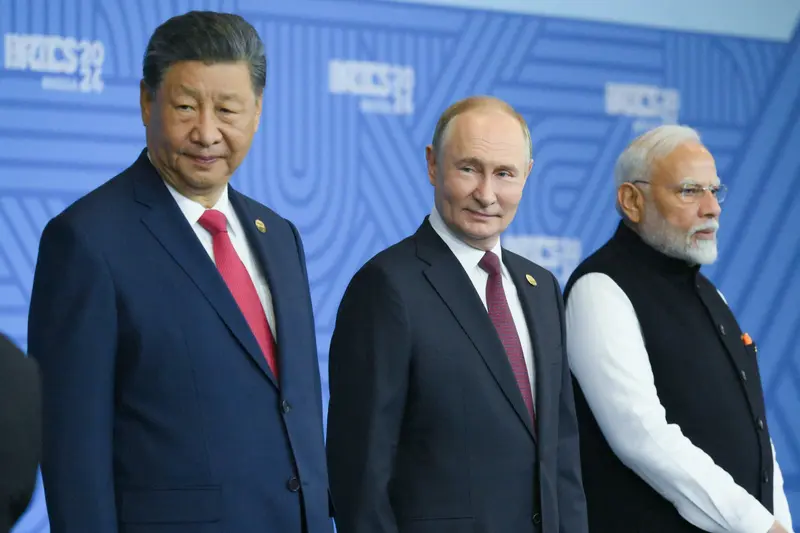
When Narendra Modi, Xi Jinping and Vladimir Putin shared a stage in New Delhi last month, it was more than a photo op. It nudged a question many Americans are quietly asking: is the global power balance in 2026 still tilted toward Washington?
Background: How a Buzzword Became a Bloc
BRICS began as a term coined by a Goldman Sachs economist in 2001 for Brazil, Russia, India and China. Today, eleven member states signed the latest joint declaration, with leaders from Egypt, Ethiopia, Indonesia, Iran, Saudi Arabia and the UAE also attending. One Indian outlet says about 40 percent of world GDP comes from these countries, and more than half of humanity lives there. Putin, never shy about numbers, claims the G7 sits closer to 29 percent.
Latest Update: What Happened in New Delhi
The summit on September 12–13 produced a unanimous declaration. It endorsed local-currency payments, called for IMF quota reform, and condemned unilateral tariffs and sanctions. India also helped bring rivals UAE and Iran to agree on a joint statement. What it skipped matters just as much. There was no common currency and no firm plan to replace the dollar. India framed the aim as reducing exposure to dollar shocks, not cutting the dollar out entirely.
Why It Matters to Everyday Americans
The dollar’s central role is a big reason America can borrow cheaply and make sanctions bite. Think of it as the default language of global trade. Others are now learning a few phrases of their own. If more countries settle deals in rupees, yuan or riyals, that advantage wears down slowly. Over time, that could mean costlier government borrowing and less leverage in trade fights. Washington has already responded, and President Trump has threatened 100 percent tariffs on BRICS members.
What the Experts Say
Analysts disagree on how worried to be. Consultant Irina Tsukerman says the US still holds considerable institutional power through the IMF, World Bank and WTO, though their authority faces growing challenges. She sees a recalibration of power, not an absolute shift, and notes America is still the world’s largest consumer market. Economist Jeffrey Sachs is blunter. He calls the US a fading power, while admitting that American-dominated institutions still give it real influence.
Explore the Global Power Struggles Testing Diplomacy, Sanctions, and International Security
Can Trump’s Middle East Strategy Protect UAE?
Uncover how the Iran war is testing Washington’s regional strategy and its commitment to the Abraham Accords.
Are Russian Diesel Purchases Undermining US Sanctions?
Find out how Russian diesel purchases are challenging Washington’s sanctions strategy and raising questions about enforcement.
Why Was Sudan’s Leader Denied a UN Visa?
Explore how the US visa decision involving Sudan’s Abdel Fattah al-Burhan is complicating ceasefire diplomacy.
What Is Driving Britain’s Muslim Brotherhood Debate?
Look into the controversy surrounding Liz Truss’s show and allegations of Muslim Brotherhood influence in Britain.
Can Financial Power Reshape American Foreign Policy?
Discover how Treasury Chief Scott Bessent’s support for financial leverage could affect global markets and international relations.

