

Flight Delayed? Know Your Passenger Rights and Compensation Options Before You Fly
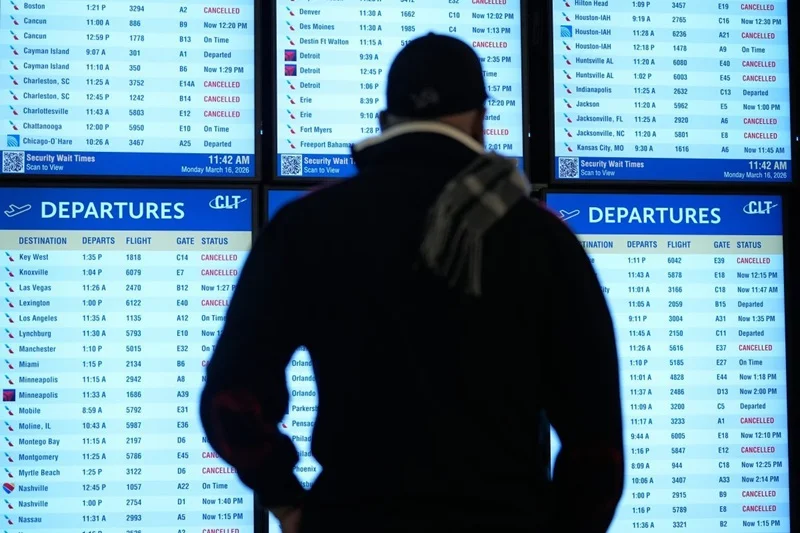
You arrive at the airport early, buy a coffee, and then the departure board changes. Your flight is two hours late, then four. Most people simply wait and hope for the best, but the law in many countries gives passengers real protection. Knowing your passenger rights before you travel helps you ask for the right things at the right time. The rules on flight delays differ from region to region, so here is a clear look at what you can expect.
What Airlines Must Provide While You Wait
In the European Union and the United Kingdom, airlines must look after you once a delay reaches a set length. Depending on the distance of your flight, this starts after two to four hours. At that point, the airline must give you meals and drinks, and let you make two calls or send two emails. If the delay stretches overnight, you are also entitled to a hotel room and transport to and from it. When a delay passes five hours, EU rules let you cancel the trip and take a full refund of the unused ticket. The UK Civil Aviation Authority guidance explains how this works for British flights.
The United States takes a different approach. Federal law does not force airlines to provide food or hotels for ordinary delays. Many carriers still offer vouchers, and each major airline publishes its own promises, which you can compare on the airline customer service dashboard. Always check the rules of the country where your flight departs.
How to Claim Compensation for a Long Delay
Care and refunds are different from cash compensation. Under EU and UK rules, you may receive a fixed payment if you arrive more than three hours late and the airline was at fault. In the EU, amounts run from 250 to 600 euros depending on distance. Canada has a similar system, paying between 400 and 1,000 Canadian dollars when the cause is within the airline’s control. Bad weather, security threats and air traffic restrictions usually remove the duty to pay, but a crew shortage rarely does.
To protect your claim, take a photo of the departure board, keep your boarding pass, and save every receipt. Write down the time you actually landed, since that figure often decides the outcome. Then file a complaint on the airline’s website and keep a copy. If the airline refuses, contact the aviation authority in the country of departure. Claim companies can help, but they often keep 25 to 35 percent of the payout, while you can usually file for free yourself.
Explore How Global Conflicts Could Reshape Inflation and Markets
How Could Overseas Conflicts Raise US Inflation?
Uncover how international conflicts could drive up prices across the US economy.
Why Are Global Markets Becoming Unsteady?
Find out how inflation data and Middle East tensions are unsettling investors.
Will Fed Rate Hikes Control US Inflation?
Explore why the Federal Reserve approved another consecutive 75-basis-point rate hike.
Is US Inflation Entering A Stubborn Phase?
Discover why persistent price pressures could make inflation harder to control.

