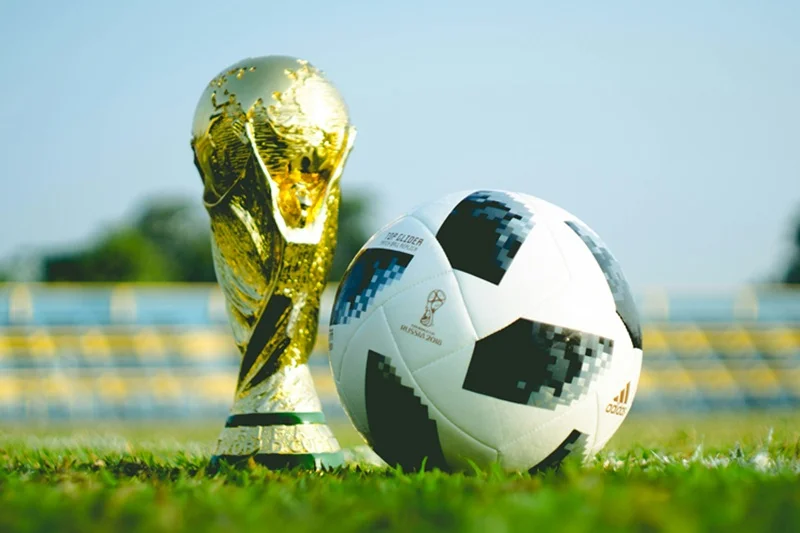
FIFA World Cup 2026 Ticket Prices Surge as Demand Explodes: How Fans Can Buy Legitimate Resale Tickets Safely
For football fans that dream of attending the FIFA World Cup 2026 in person, getting a ticket is becoming increasingly difficult, and increasingly expensive. What was once an affordable option for many supporters has rapidly turned into a brutal fight for seats with prices soaring due to demand. Some fans expecting to pay modest entry-level rates are now seeing resale listings that are many times the original cost.
The controversy revolves around FIFA’s dynamic pricing model which hikes ticket prices as demand increases. But while organisers say the approach reflects market conditions and helps manage availability, critics say it risks putting the world’s biggest sporting event out of reach of ordinary supporters.
Why Are FIFA World Cup 2026 Ticket Prices Rising?
Industries such as aviation, hospitality, and live entertainment have adopted dynamic pricing. Now, FIFA has followed suit with its sales strategy for World Cup 2026 tickets. In this model ticket prices move based on demand, inventory levels and popularity of individual matches. High-profile fixtures and knockout-stage games can see massive increases as tickets become scarce. Early ticket categories ranged from around $60 for certain group-stage games, to hundreds of dollars for premium seating options for marquee games and the final, to several thousand dollars. With demand still outpacing supply, many fans are discovering prices can shift in a matter of hours or even minutes.
A lot of that is the huge appeal of the tournament. Millions of fans from around the world are expected to pour into the United States, Canada and Mexico, creating unprecedented competition for seats to all 104 matches. The pricing strategy has also been criticized by some within the football community. Critics say the World Cup has always been a tournament for fans of all backgrounds and rising prices could damage that tradition.
Where to Buy Legitimate World Cup 2026 Resale Tickets
With demand soaring, many supporters who miss out during official sales phases are turning to resale markets. But experts still warn that one of the biggest risks facing fans is the unauthorised sale of tickets. The safest bet is to go through FIFA’s official platform for resale and exchange, where approved ticket holders can transfer or resell tickets under the rules of the tournament. Tickets sold through official FIFA channels are generally distributed digitally via FIFA’s mobile systems to help combat fraud and illegal transfers. Listings may also be available on third-party marketplaces, but buyers should beware. Fans are advised to read up on refund policies, buyer protections and seller verification processes before purchasing on any outside platform.
Five Warning Signs of a Ticket Scam
With the tournament fever rising, scammers are increasingly going after keen fans. Consumer protection agencies have issued numerous warnings about fraudulent ticket schemes related to major sporting events.
A common tactic is fake websites impersonating official FIFA sites. Scammers often promote these sites in online ads and social media posts, hoping buyers won’t notice the slight differences in web addresses.
Another major red flag is the sale of paper tickets or screenshots. Given that official ticket distribution is likely to rely heavily on digital delivery systems, these offers should be treated with extreme scepticism.
“Guaranteed” tickets from sellers who can’t prove they own them should also be avoided by buyers. In many cases, these individuals list inventory that they do not really have.
Payment demands via wire transfer, cryptocurrency, gift cards or other untraceable means are another red flag. Credit cards tend to offer more consumer protections and avenues for dispute if something goes wrong.
Finally, if a deal seems dramatically cheaper than the going rate, it’s worth asking if the offer is legitimate. Scammers will often lure victims with prices that sound too good to be true.
What to Do If You Think You’ve Purchased Fake Tickets
Fans who think they’ve been scammed should act quickly. Keep all receipts, screenshots, emails and messages regarding the transaction. These records can be useful in disputing charges or reporting fraud. Contact your bank or credit card company right away to discuss chargebacks and fraud protections. The sooner a case is reported, the better the chance of recovering lost funds. Consumers should also report suspected fraud to the appropriate authorities in their country to help investigators track patterns and prevent additional victims.
Growing Debate Over Access and Affordability
The controversy surrounding World Cup ticket prices extends beyond individual purchases. Supporters’ groups argue that dynamic pricing risks creating a divide between affluent spectators and lifelong football fans who may struggle to afford attendance. For many, the World Cup has always represented a rare opportunity for people from different cultures and economic backgrounds to share a common sporting experience.
At the same time, authorities remain concerned about the financial impact of ticket fraud. Large-scale sporting events have historically attracted sophisticated scam operations, and experts warn that World Cup 2026 could become one of the biggest targets yet. As ticket demand continues to surge, fans hoping to attend matches in North America are being urged to remain vigilant, verify every purchase carefully, and prioritize official sales channels whenever possible.
Explore the latest ChatGPT trends, tools, and updates.
Can You Buy ChatGPT Shares?
Find out how retail investors can access pre-listing opportunities.
Need AI-Powered Insurance Quotes Fast?
Check out how ChatGPT is transforming cycling insurance.
Where Is ChatGPT Still Banned?
Uncover the countries restricting access to the AI tool.
Is ChatGPT 5 Worth Switching?
Compare the key differences between ChatGPT 5 and Grok 4.
Why Is ChatGPT Not Working?
See when service disruptions may be resolved and restored.