

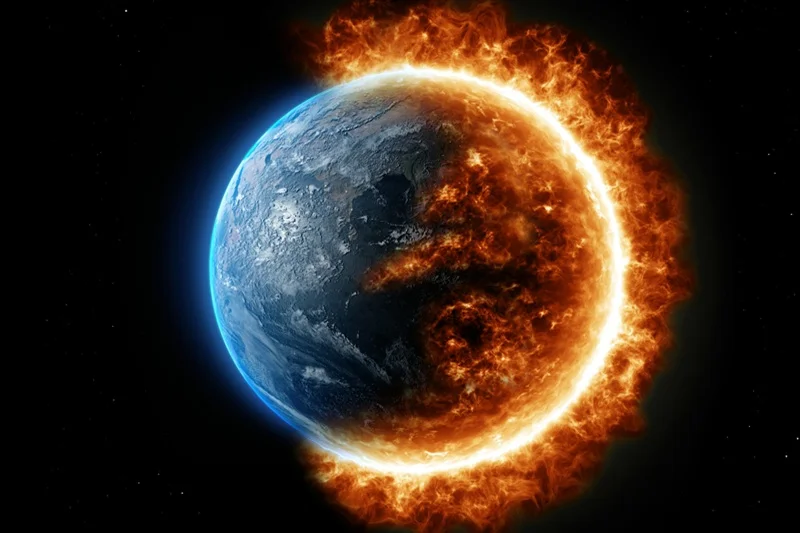
Why Scientists Warn Extreme Heat Is Getting More Dangerous Across the Globe in 2026
The summer of 2026 is once again reminding the world that heat is no longer a seasonal inconvenience but is becoming one of the biggest threats to public health. Record-breaking temperatures are being felt across Europe, North America, Asia and parts of Africa, pushing people, healthcare systems and infrastructure to the limit. “It’s not just that temperatures are going up,” scientists say. The real problem is that extreme heat is lasting longer, arriving earlier, and affecting more people than ever before. Climate patterns are continuing to shift and experts are warning that deadly heatwaves could become a regular part of life unless countries adapt quickly.
Why Is Extreme Heat Becoming More Dangerous?
Climate change caused by humans is making heatwaves more intense and frequent, say climate scientists. Greenhouse gases trap heat in the atmosphere and cause the planet’s temperature to rise year on year. In many places around the world, 2026 is seeing extended stretches of extreme heat. Night time temperatures are also staying warmer, giving the human body less time to recover from daytime heat. This greatly increases the risk of heat exhaustion, heatstroke, dehydration and heart-related illnesses. Scientists also say that humidity plays a major role. High humidity prevents sweat from evaporating, which makes it more difficult for the body to cool itself down.
New Research Shows Heat Risks Are Increasing
In recent scientific assessments, the hottest days in the world are happening more often. What used to be rare, “once-in-a-century” heat events are now happening much more frequently, according to climate experts. Researchers say urban areas are even more at risk from the urban heat island effect, where concrete buildings, roads and limited green spaces trap heat and keep cities much warmer than surrounding rural areas. Which means millions of more people exposed to dangerous temperatures for longer periods of the year.
Health Systems Are Feeling the Pressure
Extreme heat is not only uncomfortable, it can be deadly. Doctors are treating more patients for dehydration, kidney problems, respiratory illnesses and cardiovascular complications during long heatwaves. Older adults, children, outdoor workers and people with chronic illnesses are still the most vulnerable. Already, hospitals in a number of countries have reported an increase in emergency visits during recent episodes of extreme heat, and health systems are being forced to prepare for future climate-related emergencies.
Economic and Social Impact Is Growing
Extreme heat impacts more than just health. High temperatures have affected food production and farmers are seeing lower crop production. Outdoor work is unsafe during the peak afternoon hours, and businesses lose productivity. Energy demand is also rising fast, as millions of people rely on air conditioning, putting pressure on power grids. “Transportation networks may also be affected. During days-long heatwaves, roads can buckle, railway tracks can warp and power infrastructure is more vulnerable. If extreme heat trends persist, the financial costs to governments and businesses could reach hundreds of billions of dollars globally in coming decades, economists warn.
What Can Communities Do?
Cutting greenhouse gas emissions is still vital, but scientists say communities need to adapt. Cities are planting trees, opening up cooling centers, improving early warning systems, redesigning buildings to reduce heat exposure. Public awareness campaigns now are encouraging people to stay hydrated, to avoid being outdoors during the hottest part of the day, and to check in on elderly family members and neighbors. Simple steps like better building design and more green space in cities could reduce heat-related deaths dramatically, experts say.
Don’t Stop Here — Explore More Trending Stories You’ll Want to Read Next
Why Is Shein Planning An IPO?
Check the latest report on Shein’s Hong Kong IPO plans and what it means for the fashion giant.
Can Your Smartwatch Drain Your Energy?
Discover why your smartwatch may leave you feeling tired even after a full night’s sleep.
How Dangerous Is Cyclospora Infection?
Explore the symptoms, treatment, and prevention tips for the parasite spreading across the US.
Can AI Detectors Miss Deepfakes Easily?
Discover how Reuters’ test exposed weaknesses in Meta AI’s image detection system.
What Caused Spain’s Deadly Wildfire?
Explore the latest updates on the devastating Almeria wildfire, casualties, and rescue efforts.
Why This Matters in 2026
The scientists’ warning grows ever more urgent. Extreme heat is no longer a climate projection for the future. It is here now. Every new heatwave is a sign of the increasing challenge facing governments, businesses and individuals around the world. Deadly heat events are projected to occur more often in the coming years without more aggressive climate action and improved adaptation strategies. Millions of people may soon have to start preparing for extreme heat the same way they prepare for storms, floods or other natural disasters.
FAQs
1. Why will 2026 be more dangerous in terms of extreme heat?
Scientists say climate change is making heatwaves longer, more intense and more frequent, increasing health risks and putting pressure on infrastructure.
2. Who is most at risk from extreme heat?
The most vulnerable are outdoor workers, older adults, low income communities without reliable cooling, infants and those with chronic illnesses.
3. How does climate change lead to heatwaves?
These greenhouse gases trap more heat in the atmosphere of the Earth, increasing global temperatures and making extreme heat events more likely.

