

How Europe’s Renewable Energy Projects Are Reshaping the Green Economy
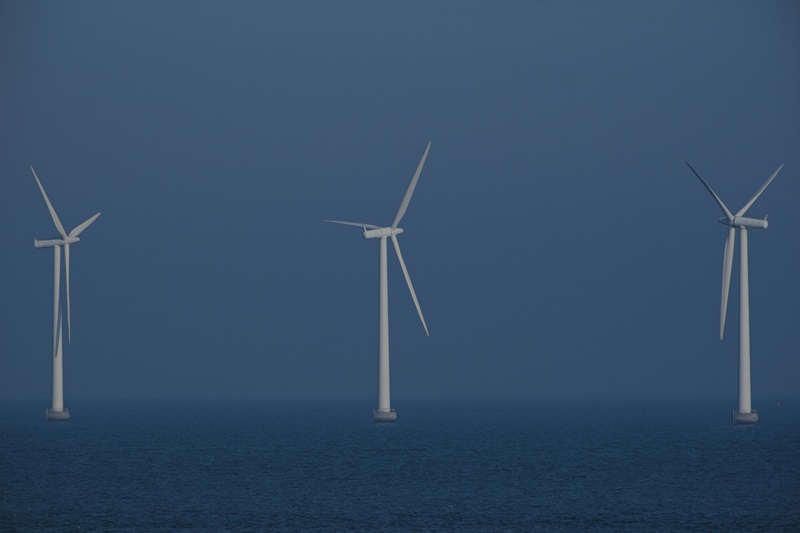
The fight for clean energy in Europe is not just about saving the planet anymore, it is morphing into one of the greatest economic transformations of the decade. Investments in renewable energy from vast offshore wind farms in the North Sea to solar parks across Southern Europe are altering how businesses operate, where jobs are made and how countries secure their energy future. Europe’s renewable energy projects are rapidly turning into potent engines of economic growth as governments seek to reduce reliance on fossil fuels and reach ambitious climate goals. It is creating new industries, attracting billions in investment, and putting Europe at the forefront of the global green economy.
Renewable Energy Expansion Gains Momentum
In recent years, Europe has greatly increased investments in renewable energy infrastructure. Countries are chasing carbon neutrality and wind, solar, hydro and green hydrogen projects are growing fast. In the wake of the energy crisis caused by geopolitical tensions, many European countries sped up clean energy deployment to boost energy independence. The EU’s REPowerEU strategy has encouraged member states to increase their production of renewable electricity and reduce their dependence on imported fossil fuels. Germany, Denmark and the Netherlands continue to break capacity records with big offshore wind projects. At the same time, Spain, Italy and Greece are pouring money into large-scale solar projects, thanks to the sunny weather there.
A Major Driver of the Green Economy
The rise of renewable energy is doing more than just cutting down greenhouse gas emissions. It is also changing the wider economy of Europe by creating whole new types of business. Producers are scaling up production of wind turbines, solar panels, batteries and energy storage technologies. The increased demand is also benefiting construction companies, engineering firms, software developers and research institutions. Clean energy investments are supporting hundreds of thousands of jobs across Europe, from skilled engineering to local installation and maintenance work, say industry analysts. This economic activity is helping many regions to wean themselves off traditional fossil fuel industries and to promote innovation in sustainable technologies.
Why Businesses Are Investing
Renewable energy is becoming an increasing business opportunity and a business responsibility. Companies are signing long-term renewable power contracts to hedge electricity prices and limit exposure to volatile energy markets. Combined with government incentives and sustainability commitments, this is making clean energy projects more attractive than ever before, as well as lower operating expenses. Financial institutions are also allocating more of their portfolios to green investments, showing more confidence in renewable infrastructure as a long-term asset.
Keep Reading: Discover More Expert Insights, Health Breakthroughs & Inspiring Stories
1. What Drives Your Best Performance?
2. Could Insulin Pills Change Diabetes?
3. How Did She Lose Weight?
4. Why Is Vikram-1 Historic?
Explore how Skyroot’s Vikram-1 launch marked a major milestone in India’s private space journey.
5. Are You Protecting Your Hearing?
Challenges Still Remain
Europe has made great progress but many challenges remain. The growth in renewable electricity generation will require substantial upgrades to the grid infrastructure. Energy storage is still required to smooth out wind and solar power’s ups and downs, and permitting big projects can still take years in some countries. Supply chain constraints and shortages of critical minerals also challenge the manufacturing of renewable technologies. Experts say more investment in electricity grids, battery storage and international energy cooperation will be needed to maintain momentum.
Frequently Asked Questions (FAQs)
1. What is the European renewable energy project?
These include offshore and onshore wind farms, solar power plants, hydro-power plants, green hydrogen projects, battery storage and modern electricity infrastructure.
2. How do renewable energy projects contribute to the green economy?
They generate jobs and attract private investment. They cut carbon emissions and boost energy security. They spur innovation in clean technologies.
3. Who are the top countries in renewable energy growth in Europe?
Leading the charge in adding renewable energy capacity are Germany, Spain, Denmark, the Netherlands, France, Italy and Greece.

