

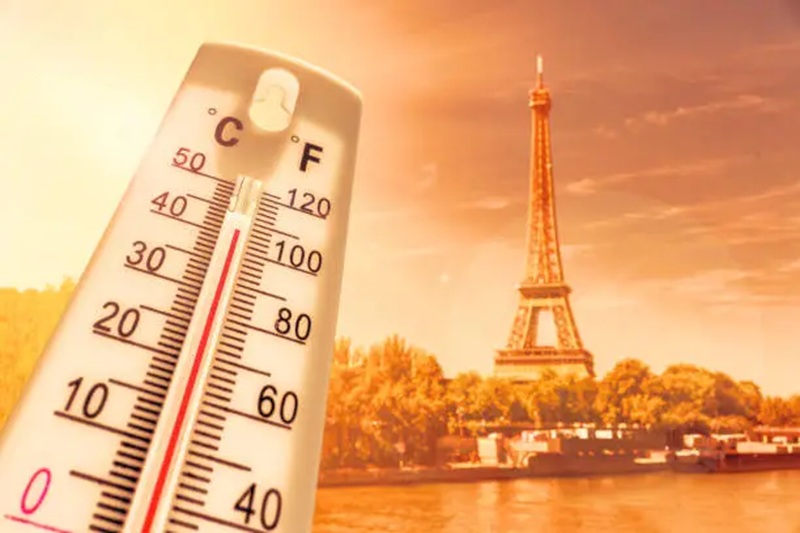
Deadly France Heatwave 2026: Rising Excess Deaths Highlight the Impact of Extreme Weather
France is once again facing the devastating consequences of extreme summer temperatures. The Deadly France Heatwave 2026 has claimed hundreds of additional lives, overwhelmed funeral services, and placed enormous pressure on hospitals and emergency responders. Officials say the unusually intense heat has led to a sharp increase in excess deaths, particularly among older adults and people with underlying health conditions. The crisis is also serving as another stark reminder that climate change is making heatwaves longer, hotter, and more dangerous across Europe. While France has improved its emergency response since the deadly 2003 heatwave, this year’s extreme temperatures show that even better-prepared systems can struggle under prolonged heat.
France Records Surge in Excess Deaths
French authorities said the recent heatwave pushed temperatures well above seasonal averages for several consecutive days. Across the country people are enduring record-breaking highs during the day and unseasonably warm nights, with little relief. As temperatures rose, undertakers said they were struggling to cope with the rising death toll. In many areas, funeral homes and crematoriums were backed up because demand outstripped normal capacity. Hospitals also reported a rise in the number of patients with heatstroke, respiratory illnesses, cardiovascular complications and dehydration. Public health experts say “excess deaths” means the number of deaths above what would normally be expected in a time period. Heatwaves often result in increased mortality indirectly through the exacerbation of existing medical conditions rather than through heatstroke alone.
Why Extreme Heat Is Becoming More Dangerous
Climate change is increasing the frequency and severity of extreme heat events, scientists have repeatedly warned. Europe is warming faster than the world average, and that means countries such as France are at greater risk during the summer months. Unlike short spells of hot weather, lengthy heatwaves do not give the human body a chance to recover overnight. Older adults, young children, outdoor workers and people with chronic illnesses are at much greater risk of health problems when nighttime temperatures stay high. Concrete and asphalt trap heat, creating what experts refer to as the “urban heat island” effect, which is especially felt in urban areas. This is why cities tend to be much warmer than their surrounding rural areas after dark.
Pressure on Healthcare and Public Services
Public services are stretched to the limit by the Deadly France Heatwave 2026. Hospitals expanded capacity for treatment of vulnerable patients, and emergency medical teams responded to thousands of heat-related incidents. Authorities opened cooling centers and urged residents to stay inside during the hottest parts of the afternoon and activated national heat emergency plans. Public officials also asked neighbors to check on elderly people living alone regularly. Meanwhile, funeral directors said one of the busiest periods in recent years as they struggled to meet surging demand while continuing to offer services to grieving families.
Economic and Social Impact Extends Beyond Health
It’s not just hospitals that are suffering in the heatwave. Farmers say the crops are showing signs of stress from the extended stretch of high temperatures, and that is raising concerns about agricultural production and food prices. Energy demand also surged as homes depended heavily on air conditioning, putting more strain on the electricity grid. Companies that have outdoor workers like construction, farming and delivery services shifted hours of work to minimize exposure at the hottest parts of the day. Tourism, a big industry in France, was hit hard, too. Many visitors continued on their way, but some outdoor attractions altered their schedules, or added safety precautions, temporarily.
Keep Reading: Discover More Expert Insights, Health Breakthroughs & Inspiring Stories
1. What Drives Your Best Performance?
2. Could Insulin Pills Change Diabetes?
3. How Did She Lose Weight?
4. Why Is Vikram-1 Historic?
Explore how Skyroot’s Vikram-1 launch marked a major milestone in India’s private space journey.
5. Are You Protecting Your Hearing?
A Wake-Up Call for Climate Preparedness
Although France has spent heavily on heat warning systems since the deadly heatwave of 2003, the latest crisis shows adaptation efforts must continue, experts say. Climate scientists say governments should increase urban green space, improve building insulation, develop more resilient public cooling infrastructure and better protect vulnerable populations during extreme weather events. The Deadly France Heatwave of 2026 is turning into more than a summer weather story, but a public health emergency related to a warming climate. As heatwaves become more frequent across Europe, authorities say long-term planning will be as important as emergency response. Scientists warn that without stronger adaptation measures, similar events could become even more common in the years ahead, with greater human, economic and environmental costs.
FAQs
1. What was the Deadly France Heatwave 2026?
It describes the unprecedented summer heatwave in France, resulting in record high temperatures, mass excess mortality, and broad public health worry.
2. What are the excess deaths?
Excess deaths are the number of deaths above what would normally be expected for that time of year. The heat exacerbates other medical problems, leading to many deaths during heatwaves.
3. Why are heatwaves becoming more and more frequent in France?
Scientists largely blame climate change for the increasing frequency and intensity of heatwaves that are pushing up average temperatures across Europe.

