Lockdown, internal conflict cause double blow to Afghanistan’s recovery.
Last updated on February 27th, 2023 at 11:36 am
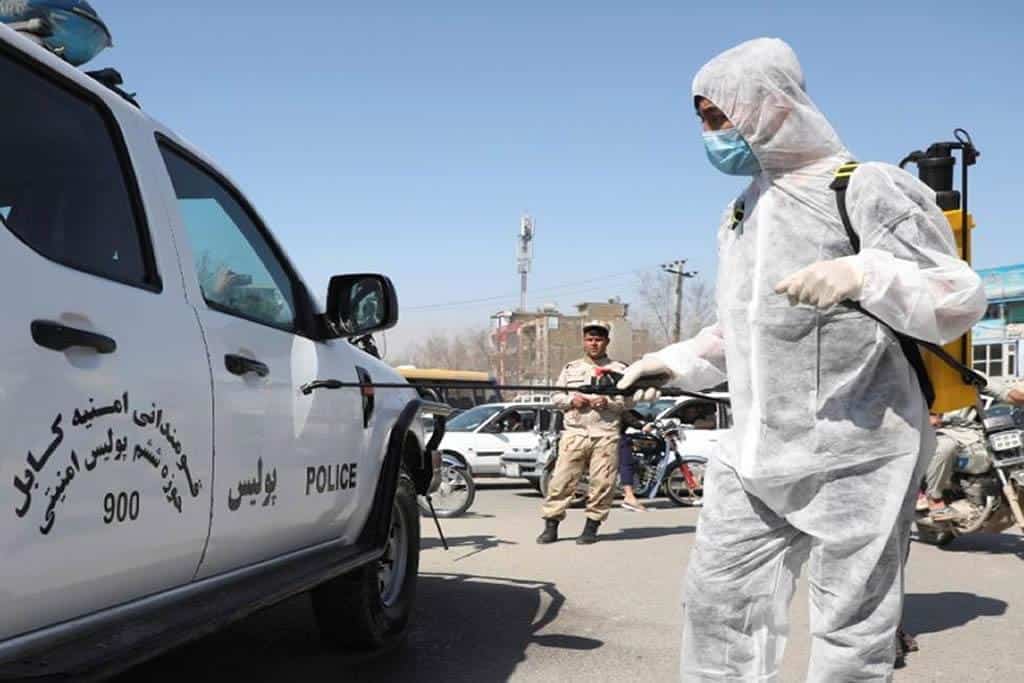
COVID-19 pandemic lockdown is gravely damaging economies across the globe. More so for countries like Afghanistan, which has been embroiled in civil war for almost four decades. The country has a fragile political system; the peace process has been staggering, with no definite outcomes. The lockdown is proving to be a significant blow to the fragile country’s economy.
According to a report on 4 May, corona cases in the landlocked country is close to touching the 3000 marks. The International Organization for Migration (IOM) warned yesterday that the deadly virus might infect about 80 percent of the country’s 35 million.
Reports add that the infection rate among Afghan nationals might be one of the highest. And to make the situation more precarious, the nation has to safely bring back more than 250,000 citizens from neighbouring Pakistan and Iran; a similar lockdown in Pakistan and Iran triggered the return of hundreds of migrants back to their home country.
About 4.1 million people affected by the internal conflict live in urban and rural areas where the necessary facilities are lacking. These displaced people with no access to hygienic living conditions, remain vulnerable to contract COVID infection.
The civil war and prevailing security situation pose a severe risk for health officials to reach out to patients in the remote area for testing.
For Afghanistan, the road to fighting back the disease and to recovery is going to be long and challenging. The country’s public health care system is frail, and NGOs do not have access to several remote parts of the country.
COVID-19 Cure in Sight? Italy Claims to Have the First Corona Vaccine
Children and women will be more prone to exploitation and abuse due to lockdown and the economic hardship; the lockdown is going to impose.
The government is unstable as it remains embroiled in the debate over who won the last year’s presidential election. The US has frozen transfer of funds due to political uncertainty. The country would need economic aid and more relief as the landlocked country has a low tax base.
Taliban’s refusal to stop violence in pockets of Afghanistan has delayed the peace process.
Community chiefs and influential religious leaders must step in to spread awareness about the disease and help the marginalized.