Congo Ebola Outbreak 2026: Suspected Case Reported in New Province as Death Toll Reaches 600
The Democratic Republic of the Congo’s Ebola crisis has taken another worrying turn, after health authorities reported a suspected case in a province untouched by the current outbreak. The news comes as the country’s Ebola death toll has risen to 600, stoking fears the virus may spread beyond its current hotspots. Public health experts say the next few days will be crucial as investigators work to determine if the newly suspected infection is linked to the existing outbreak. If confirmed, the case could be a sign of Ebola spreading into new locations and making containment much more difficult.
Outbreak Expands Beyond Eastern Congo
The outbreak was officially declared in May, and is driven by the Bundibugyo strain of the virus. Unlike the more common Zaire strain, there is no approved vaccine or targeted treatment for Bundibugyo, so health authorities rely largely on rapid case detection, isolation and contact tracing. Most of the confirmed infections have been focused in eastern Congo, particularly Ituri Province. Recent reports, however, suggest the outbreak may now be spreading to other provinces, raising fears the virus is no longer restricted to its original epicenter. The latest official figures show the country has reported 1,759 confirmed Ebola cases and 600 deaths, with 51 new infections and 20 more deaths in the last 24 hours. Transmission has been documented in several health zones in previous assessments in Ituri, North Kivu and South Kivu.
Why the New Suspected Case Is Significant
An Ebola case outside the epicenter of the outbreak is not just another case. Lab tests have yet to confirm the infection, but if they did, that would mean the virus is now in another province, spread via chains of transmission that have yet to be detected. That would make it harder to trace contacts, quarantine patients and prevent additional infections. The problem is especially dire in eastern Congo, where armed conflict, displacement of populations and weak health infrastructure already make it difficult to monitor diseases. There is often a lot of movement within and between communities and countries, which provides more opportunities for the virus to spread before cases are detected. Health officials say with each new area of infection, the risk of delayed diagnosis and undetected spread in the community increases.
Health Response Faces Mounting Pressure
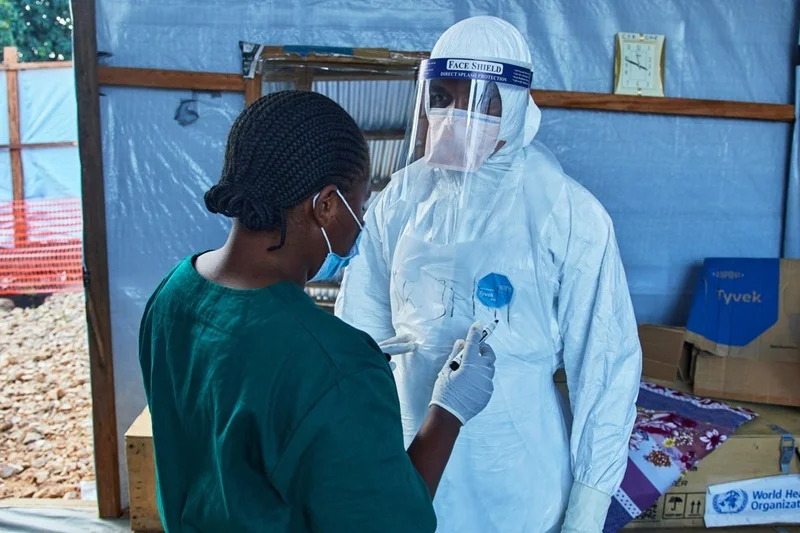
Response teams are working 24/7, but the magnitude of the outbreak is putting tremendous strain on frontline healthcare workers. Officials are stepping up surveillance and laboratory testing, contact tracing, providing protective equipment and improving public awareness campaigns. Community engagement continues to be an important part of the response, especially in places where misinformation and mistrust could prevent people from seeking care. Meanwhile, operational challenges continue. Some healthcare workers have reportedly threatened industrial action over delayed salary payments highlighting the financial strain on the emergency response. Health experts say that in the absence of an approved vaccine or specific treatment for the Bundibugyo strain, early detection and strict infection-control measures are still the strongest tools available.
Communities Face Growing Social and Economic Impact
The outbreak’s impact is not limited to hospitals. Families in affected areas are experiencing disrupted markets, reduced travel, interrupted schooling and limited access to routine health services. Many people in rural areas with already limited medical resources are afraid or stigmatized or are unsure of what to do, making them more likely to transmit the disease further. Also, some areas have seen a slowdown in economic activity. Trade routes have been disrupted, cross-border movement is under stricter health monitoring, and many households are losing income as businesses and transportation networks remain disrupted. The longer the outbreak goes on, the more financial pressure on already vulnerable people.
Don’t Miss These Trending Stories Everyone’s Talking About
Looking for Nothing Phone (4a) Deals?
Discover the best Flipkart GOAT Sale offers on the Nothing Phone (4a) and earbuds before they sell out.
Who Joined Taylor’s Dream Wedding?
Explore the celebrity guest list, memorable moments, and fan reactions from Taylor Swift and Travis Kelce’s wedding.
How Did Harry Make History?
Check how Harry Styles’ Wembley residency earned him a Guinness World Record and broke attendance records.
Need New Open-World Games Today?
Discover seven near-perfect open-world games that deserve a spot on your must-play list.
Did Taylor Swift Really Get Married?
Explore everything about Taylor Swift and Travis Kelce’s star-studded New York City wedding ceremony.
What Happens Next?
Health officials are now working to see if the new suspected case is connected to the ongoing Ebola outbreak. If the lab tests come back positive, officials are expected to widen surveillance, beef up contact tracing and step up monitoring in the province concerned and neighboring border areas to stop another cluster of transmission from emerging. For now, the ongoing public health emergency of the Congo Ebola outbreak remains active. But as infections continue to rise and the virus potentially spreads into new areas, health experts say swift action will be key to slowing its spread.
Frequently Asked Questions
What strain is causing the Congo Ebola outbreak in 2026?
The outbreak is caused by the Bundibugyo strain of the Ebola virus. There is currently no licensed vaccine or specific antiviral treatment for this strain.
How many have died in the outbreak so far?
Official figures say 600 people have died and 1,759 cases of Ebola have been confirmed in the Democratic Republic of Congo.
What are the most affected areas?
The majority of confirmed cases have been reported from Ituri Province, with additional infections in North Kivu and South Kivu. Authorities are now investigating a suspected case in another province.