China-US Technology Competition: What the Latest APEC Talks Mean for Chip Prices
The tiny chip inside your phone has a kind of passport. This week, two presidents are arguing over where it’s allowed to travel, and the answer could eventually show up on your price tag.
Why the US-China chip fight matters
Washington began tightening semiconductor export controls on China in October 2022, and the rules have since grown to cover advanced computing chips, chipmaking equipment and related software. China, meanwhile, holds leverage over parts of the rare-earth supply chain that American manufacturers rely on.
Each side holds something the other needs. That’s why every new rule feels like a shove in a very crowded room.
What happened just before the APEC talks
The timing was dramatic. On Monday, the US Commerce Department released interim rules requiring overseas data centres to get US approval before supplying large amounts of computing power to Chinese firms. Shipments of covered chips to Singapore, Thailand, Malaysia, Indonesia and Brazil now need an export licence.
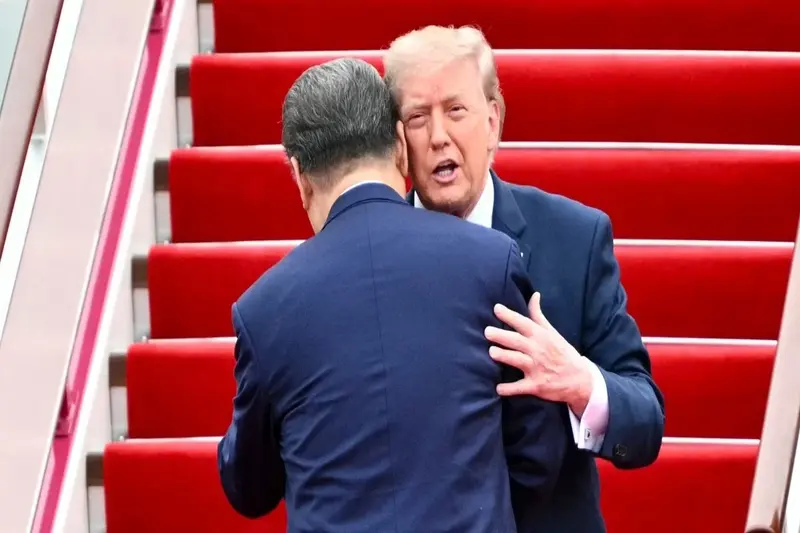
Beijing didn’t stay quiet. China’s commerce ministry said it would hit back and strongly opposes the rules. All of this lands as the 33rd APEC Economic Leaders’ Meeting runs November 18–19 in Shenzhen, with Xi chairing. Trump is due to meet Xi on Thursday. Meanwhile, a trade truce that cut tariffs last year is due to end in January.
As of this writing, no outcome from that meeting has been reported.
So, will chip prices go up?
Nobody can honestly promise an answer yet, and no official price changes have been announced. Still, the logic is easy to follow.
Licences mean paperwork, and paperwork means delays. Uncertainty makes companies cautious, and caution usually costs money. The most direct pressure is on high-end AI chips and cloud computing, not the basic chip in a budget phone. But if the dispute spills into rare earths or tariffs, ordinary electronics could feel it too.
Think of it like a highway toll. The driver pays first, and shoppers often pay later.
Not just a trade story
There’s a human side too. Smaller tech companies in Southeast Asia may struggle with new licensing hurdles. Shoppers may simply see fewer discounts. And everyone is watching to see whether talks on AI safety, including protocols for reporting AI incidents, can calm things down even if chips can’t.
Explore the Growing US-China Rivalry and Its Global Impact
Could Chinese Spy Balloons Deepen US-China Tensions?
Can Europe Benefit From US-China Rivalry?
Which Five Industries Face Trade War Risks?
What Does China’s New Taiwan Message Mean?
Can US-China AI Talks Reduce Future Risks?