China-Afghanistan Dynamics: Navigating Security and Economy
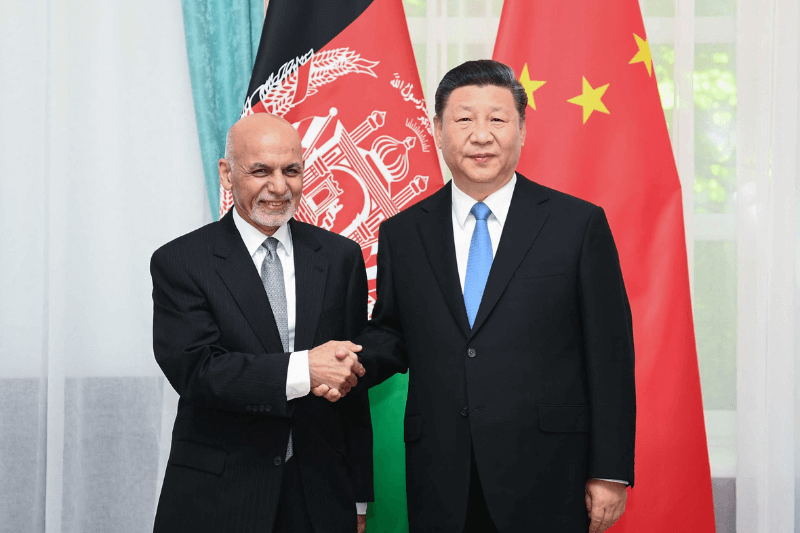
China just selected Zhao Sheng as its ambassador to Afghanistan in a strategic move, becoming the first nation to do so since the Taliban’s takeover in 2021. This incident highlights China’s goal of closer connections with Afghanistan, which is motivated by both economic and security concerns.
China values its relationship with Afghanistan, as seen by the cordial reception Ambassador Zhao Sheng received there at the Presidential Palace in Kabul. This action comes as several countries communicate with the Taliban government, but formal diplomatic recognition is still a tricky issue.
China has numerous objectives in Afghanistan. To strengthen regional economic connectivity and include Afghanistan in the Belt and Road Initiative (BRI), it is essential to expand the China-Pakistan Economic Corridor (CPEC) to Afghanistan. Significant potential exists for this extension to promote stability and economic progress.
Second, Afghanistan’s abundant lithium resources, which are thought to be worth $1 trillion, present a profitable investment opportunity. China’s economic aspirations in the region are demonstrated by the Chinese corporations’ great interest in investing in Afghanistan’s lithium sector.
Keep Reading
The importance of security in this partnership is further underscored by earlier assaults in Afghanistan that were directed against Chinese nationals. For China to make significant investments and continue its involvement with the Taliban regime, it is essential to ensure the safety of its residents.
In contrast to the West, China takes a different stance on Afghanistan. China emphasizes and implores the international community to collaborate with the Taliban towards an atowardentative and inclusive democratic framework while expressing concerns about Taliban policies, particularly those on rights.
It’s crucial to remember that Afghanistan’s relationship with China does not indicate a predetermined foreign strategy. The Taliban is likely to put its interests first, and future conflicts with neighboring Pakistan might change the dynamics in the region.
In conclusion, China’s relationship with Afghanistan is a balancing act between security considerations and economic aspirations. To advance China’s regional interests and support stability and development in Afghanistan, it is essential to strike the proper balance.