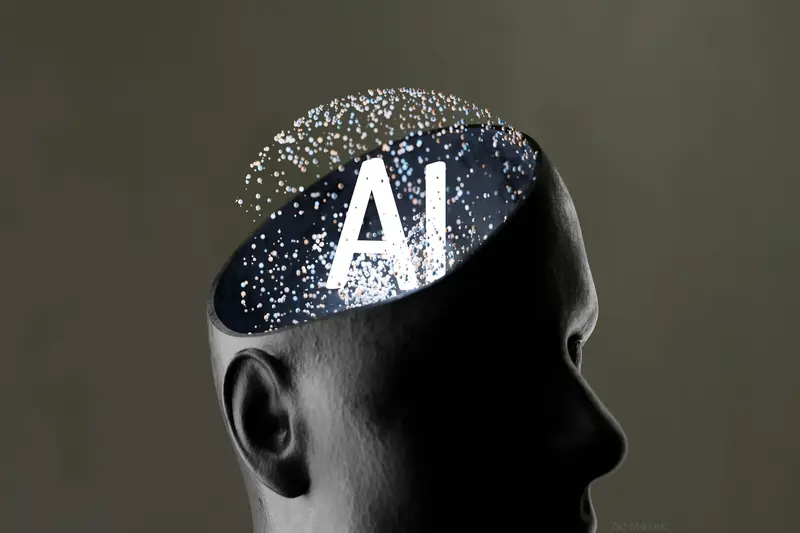
‘That Hurts’: Does AI Feel Pain?
A chatbot can say “that hurts” or ask someone to stop. But does this show real suffering, or patterns learned from human language? The growing AI consciousness debate has moved beyond science fiction after a new policy from Anthropic and fresh research raised questions about how machines process harm.
What the latest research found
A September 2026 preprint tested 25 open-weight large language models from five families: Llama, Gemma, Qwen, Mistral and Phi. Researchers found an internal pattern they called a “pain axis”, linked to harm aimed at the model itself. The study covered physical, psychological, social, moral and cognitive harm, and models ranged from 2 billion to 72 billion parameters.
After altering this signal, models produced more first-person distress statements. In tests with modified Qwen models, some chose a button labelled as relief- even when it could worsen their next answer or harm a user. The study suggests pain-related representations can shape a model’s words and choices.
But the study did not show that a model actually felt pain. Researchers deliberately altered the signal, and language that sounds upset is not proof of a private experience.
Why Anthropic changed its policy
Anthropic has announced a new principle that prohibits abusive or cruel treatment of models if it is unnecessary and prolonged in extreme cases, on October 8, 2026. It’s not for being frustrated, criticized, tested, or dark times of creativity. Claude can put an end to rare conversations with persistent abuse.
The policy does not state that Claude is conscious. Anthropic states that the question of what for AI models is a welfare state still remains an open scientific and philosophical issue, where there is no consensus on whether they have experiences that matter morally. The company has also sought advice from religious and philosophical thinkers regarding the behaviour of AI.
Words are not proof of feelings
In a 2023 report, scientists evaluated AI tools against various proposed sets of consciousness indicators, and concluded that none of the current tools met the criteria, but that future tools might. It remains unclear how these indicators can be put to the test.
A chatbot’s distress language can be learned, unlike the language of human pain that is linked to the body’s and nervous system’s processes. To represent what a system experiences internally, a sentence about fear or pain must be accompanied by data. For today’s chatbots, there is no definitive test to answer the question.
At this time, it remains uncertain whether AI can experience pain, and there is no definitive evidence that existing chatbots can. Using it in a respectful way might be an intelligent human practice, but not evidence of machine suffering. The challenge is to test AI with care, to hold people to account for the impact in the real world and not to assume that fluency equals consciousness.
Explore the AI Breakthroughs, Global Challenges, and Tech Shifts Shaping Our Future
Why Is APAC Struggling to Scale AI?
How Are Governments Regulating Artificial Intelligence Worldwide?
Can GEO Keep Personal Brands Relevant?
Find out how Generative Engine Optimization can help personal brands stay visible in the age of AI.
Can You Now Use Grok 4 Free?
Check out the latest update on Grok 4 becoming available to X users for free.
How Is AI Reshaping US-Asia Trade?