Brexit, Johnson ready for the “no-deal”
A no-deal is becoming more and more concrete, a divorce of Great Britain from the European Union without any trade agreement to act as a parachute. A scenario that implies, from 1 January, the return of duties and customs, with severe consequences for European companies, which export goods across the Channel for hundreds billion a year.
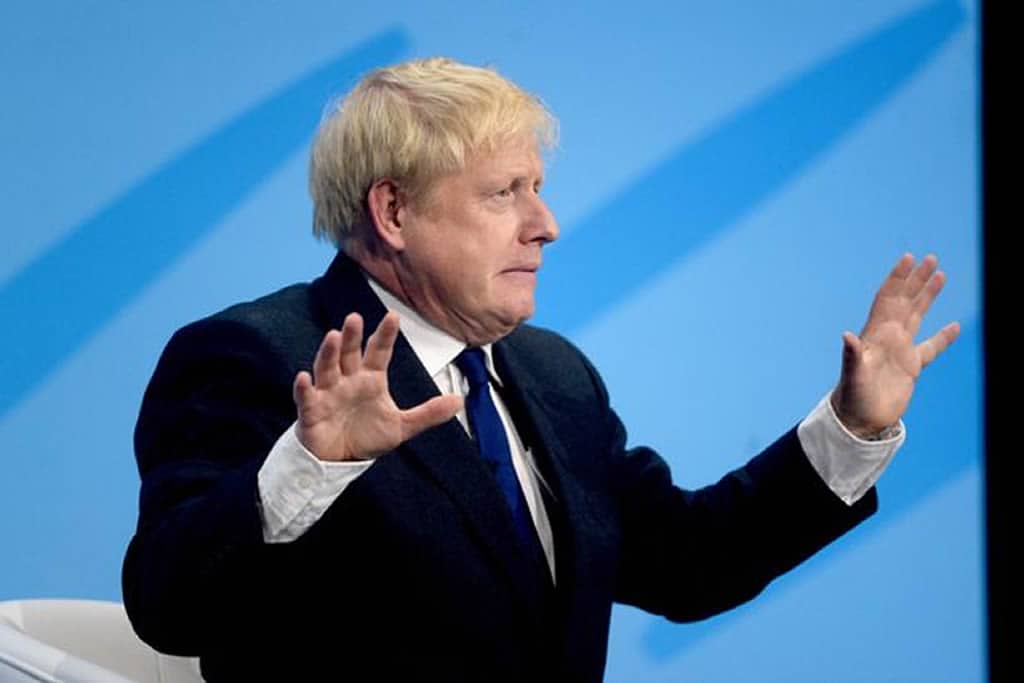
Boris Johnson made it clear, announcing that London is preparing to break up unless Brussels adopts a radical change in its approach. In essence, the British premier accuses the Europeans of not having wanted to make any compromises, and therefore, all that remains is to prepare for the no deal.
Johnson in September had asked the EU to find a solution by the European summit that ended yesterday, Friday 16 October. But both London and Brussels remained on their positions, and at this point, the margins for reaching an agreement are very narrow. A last-minute Brexit deal remains possible, and both sides say they continue to hope for it. But unless a miracle occurs, the no-deal becomes the most likely scenario at this point.
In recent months, the British and Europeans have engaged in fruitless negotiations to draw up a free trade agreement: on December 31st, the Brexit will materialize – which already took place formally on January 31st – and in the absence of a new treaty, the two parties will return to trading only based on the rules of the WTO, the World Trade Organization, which provide for the application of duties.
We must not be afraid of this prospect, Johnson said, indeed Britain may “prosper enormously:” but emergency mini-agreements will need to be put in place to ensure that essential services, such as air transport, continue to function. Johnson’s announcement could be an extreme move to force the EU to surrender. He has not formally abandoned the negotiations, but the positions remain so distant that it is not clear how they can find common ground.
In recent days, the question of fishing has emerged as an insurmountable obstacle: London no longer accepts to give free access to European fishing vessels in its waters, but Macron, who defends the interests of French fishermen, has put his foot down and refused to negotiate on the topic.
Added to this is the dispute over state aid, for which London wants to have a free hand, without being subject to European directives. More generally, the British want to completely get out of the regulatory orbit of the EU, while Brussels wants to keep them hooked for fear of suffering unfair competition.
A philosophical distance between the two positions that proved impossible to bridge. At this point, there are only two and a half means left to prepare for the no-deal, which will be a shock for the British economy, but also the European ones. The British government thinks that it will probably be just a drop in the tsunami of the recession triggered by Covid: but for many sectors, the fracture will still be painful.