

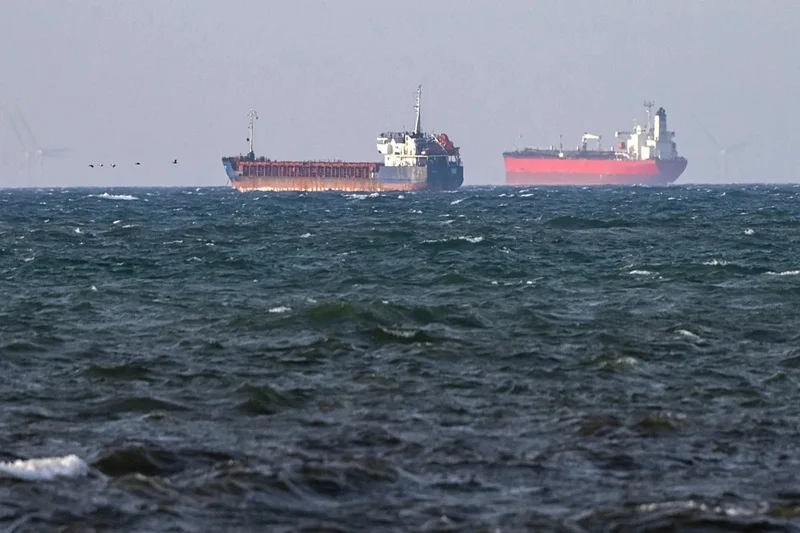
Major Russian Grain Terminals Hit in Ukraine Attack on Black Sea Port: What It Means for Global Food Supplies
Overnight on August 12, Ukrainian forces struck the Russian Black Sea port of Novorossiysk, and the fallout wasn’t just military. Two of the port’s major grain terminals had to shut down after taking damage, and that’s got food traders around the world paying close attention.
So what actually happened?
The strikes hit several targets in and around Novorossiysk, including a naval facility, but the part that’s rattling grain markets is the damage to export infrastructure. According to Reuters, the terminal run by Demetra Holding, one of the port’s key grain-handling operations, has stopped work entirely. A second major terminal also went offline after its loading equipment was damaged. Nobody’s quite sure yet how bad the damage really is. The terminal’s owner has acknowledged the hit but hasn’t said how long repairs might take.
Here’s why that’s a bigger deal than it might sound: Novorossiysk isn’t just any port. It’s one of the main arteries through which Russian grain and Russia ships more wheat than any other country on earth reaches the rest of the world. Recent shipping data out of the Krasnodar region shows just how busy that corridor has been, with Egypt, Turkey, and a string of African and Middle Eastern countries among the biggest buyers.
Why a shut-down terminal is a bigger problem than it sounds
Think of a grain terminal as the last handoff point before wheat leaves the country. Trucks and trains bring it in, it sits in silos, and then it gets loaded onto ships bound for ports overseas. Take that link out of the chain, even temporarily, and the grain itself doesn’t vanish but everything gets slower and pricier. Ships sit and wait. Exporters scramble for other ports. And all of that gets tacked onto the final cost somewhere down the line. Traders reacted almost immediately: grain futures ticked up after the news broke, as markets started pricing in the risk of tighter Russian supply. Russia, for its part, has accused Ukraine of driving up global food prices by going after agricultural targets.
Will this actually cause a food shortage?
Probably not right away this isn’t a “the world runs out of bread” situation, at least not yet. The real worry is what happens if this becomes a pattern rather than a one-off. Russia and Ukraine are both agricultural heavyweights, and every hit on port infrastructure chips away a little more at how much grain can actually move. Countries that lean hard on Black Sea imports much of North Africa, the Middle East, and parts of Asia are the ones most exposed if buyers suddenly have to compete harder for grain from other sources.
It’s not just Russia feeling the squeeze
Ukraine’s own export situation has been rough for a while now. Russian attacks and shipping restrictions have already been squeezing Ukrainian ports, and Reuters reported this week that the country’s grain exports dropped sharply in early August, with farmers struggling just to store and move what they’ve already harvested. That’s the uncomfortable cycle here: both sides keep hitting each other’s export infrastructure, shipping costs climb, and buyers everywhere are left guessing what comes next. Eventually, that uncertainty tends to show up somewhere very ordinary in the price of a loaf of bread or a bag of flour on a supermarket shelf.
Key global stories shaping today’s headlines.
Can Iran-US Peace Talks Recover?
Check out why negotiations remain stalled with no clear progress.
Why Are Global Markets Unsteady?
Find how inflation and Middle East tensions affect investors.
How Did UAE Aid POW Exchange?
Uncover how the UAE helped facilitate the soldiers’ return.
How Did Marc Fogel Return Home?
Browse the story behind Fogel’s release and return to America.
Could ATACMS Strikes Escalate Tensions Further?
Look into Ukraine’s strike and its regional implications.
Where this goes from here
The big question now is simply how fast Novorossiysk can get back up and running. Quick repairs, and this could end up being a blip. But if the disruption spreads to other ports, other shipping lanes grain traders will likely start pricing in a much longer-term risk. Either way, this latest strike is a reminder that this war stopped being purely a military story a while ago. It’s now tangled up with the infrastructure that gets food from farms to dinner tables across the globe.
FAQ
Which port got hit?
Novorossiysk, a major Russian Black Sea port and a key export hub for grain.
Was grain infrastructure actually damaged?
Yes, Reuters reports at least two major terminals suspended operations after the strikes.
Could this cause a global shortage?
Not immediately, but a prolonged disruption could tighten supply and push prices up, especially for countries heavily dependent on Black Sea grain.
Why does Russia matter so much here?
It’s the world’s top wheat exporter, so any hit to its export capacity ripples through global markets.
Who’d feel it most?
Countries in North Africa, the Middle East, and parts of Asia that rely heavily on grain shipments from the region.

