

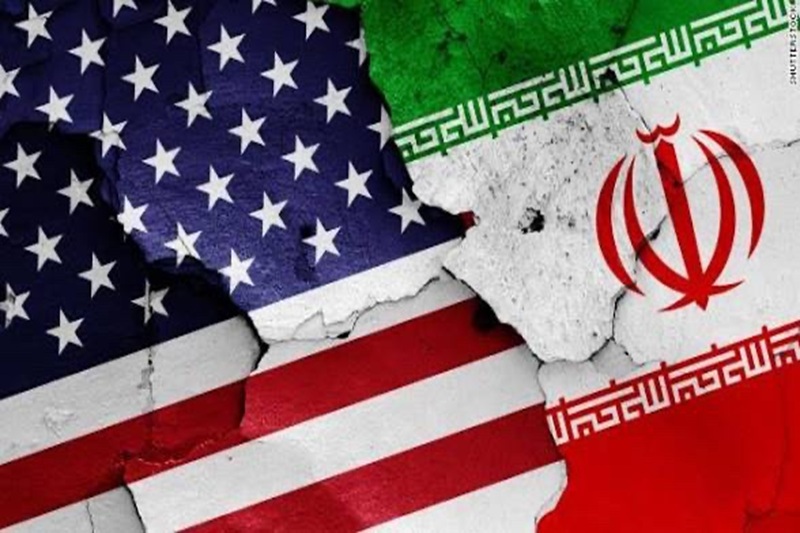
Iran-US Peace Deal Talks Stall: Why Tehran Says There Is No Progress on Reviving the Interim Agreement
So much for momentum. The diplomatic thaw between Washington and Tehran that seemed possible a few months ago has stalled out, with Iran now saying flatly that there’s been no progress on reviving their interim agreement. The core problem? Both sides think the other broke their word first. Iranian officials, speaking to Reuters, say the US never followed through on lifting port blockades or unfreezing Iranian assets like it promised back in June. Washington’s counter-argument is that Iran hasn’t held up its end either, specifically, it hasn’t reopened the Strait of Hormuz, one of the most critical oil shipping routes on the planet. Iran’s foreign minister, Abbas Araghchi, made it clear this month that Tehran isn’t coming back to the table until it feels the US has actually made good on the original deal. It’s a classic standoff neither side wants to blink first.
What was this agreement supposed to do, anyway?
Back in June, the two countries struck a temporary framework meant to pause military action and buy time for a real, lasting settlement. The bigger picture it was building toward included some heavy stuff: reopening Hormuz, easing sanctions, unlocking Iran’s frozen assets, and eventually tackling the nuclear program question. It was never meant to be permanent, just a bridge. But almost immediately, the two sides started arguing about whether either of them was actually holding up their part of the bargain. Iran has also pushed back on the idea that the deal’s timeline was just quietly extended, insisting that US actions since June have already undermined it.
Why the Strait of Hormuz keeps coming up
This isn’t just diplomatic posturing, it has real economic teeth. Hormuz is one of the world’s key energy chokepoints, so any serious disruption there ripples through oil markets globally. Reuters noted that Brent crude was sitting around $88.87 a barrel as of August 13, with traders already nervous about supply risks and where global demand is headed. If tensions drag on, that unease could eventually show up in gas prices and shipping costs for everyday people.
More Stories You Shouldn’t Miss
Could Tom Holland’s Luxury Stay Surprise?
Discover the lavish details behind Tom Holland’s extravagant stay at Mumbai’s iconic Taj Mahal Palace.
What Makes India’s Brain Atlas Revolutionary?
Explore how Indian scientists are unlocking the mysteries of the human brain with cutting-edge 3D mapping.
Why Did US Seize Iranian Tanker?
Uncover the dramatic events behind the US Navy’s tanker seizure and its impact on India.
Why Reject Two Citizenship Offers?
Find out why Rashid Khan chose loyalty over offers from India and Australia.
How Did Vikram-1 Create History?
Check out how Skyroot’s Vikram-1 became a milestone for India’s private space ambitions.
So what now?
It’s not a total dead end. Oman has been quietly working to set up a safe shipping corridor through the Strait, and a US official recently said they’re expecting some movement in Iran-Oman talks. But direct Iran-US negotiations look frozen for now this really comes down to trust. Iran wants proof and concrete action before it’ll negotiate again; the US wants Iran to change course before it’ll ease up.
Why it matters beyond the region
If this diplomatic track collapses entirely, the risks go up with more chances of military escalation, more pressure on global energy markets, and a much steeper climb toward ever settling the nuclear issue. Right now, neither Washington nor Tehran seems willing to make the first move. Unless that changes, this “interim agreement” might end up being remembered less as a stepping stone to peace and more as just another casualty of a relationship that’s been broken for a long time.
FAQs
1. Why have Iran-US peace deal talks stalled?
Iran says Washington has failed to meet commitments involving blockades and frozen assets, while the U.S. says Iran has not reopened the Strait of Hormuz.
2. What was the interim Iran-US agreement?
It was a temporary framework intended to halt military operations and provide time for negotiations toward a permanent settlement covering issues including sanctions, Hormuz and Iran’s nuclear programme.
3. Why is the Strait of Hormuz so important?
It is a major global energy shipping route. Prolonged disruption can affect oil supplies, prices and international trade.

