

Bangladesh Garment Worker Protests: Could Global Clothing Prices Be Affected?
Laili Begum sews clothes for a living, yet some days she can’t put even one proper meal on the table. She earns around $121 a month, and her two children have dropped out of school because she can’t pay for it.
Her story sits at the heart of the Bangladesh garment worker protests now shaking one of the world’s biggest clothing hubs. If you’ve ever bought a T-shirt from a global brand, this affects you too.
What’s Driving the Protests?
Bangladesh is the world’s second-largest apparel exporter after China, stitching clothes for names like H&M, Zara, Levi Strauss, Walmart and Primark. The industry employs more than four million people.
Workers are demanding a minimum monthly wage of 30,000 taka (about $240), up from 12,500. The reason is simple: prices keep climbing. Inflation hit 8.34 percent in September, and wages were last revised in December 2023.
Latest Updates
The unrest exploded at the start of November. The factory owners’ association BGMEA said 529 factories were disrupted in a single day, affecting nearly a million workers. The government set up a wage board, yet the protests carried on.
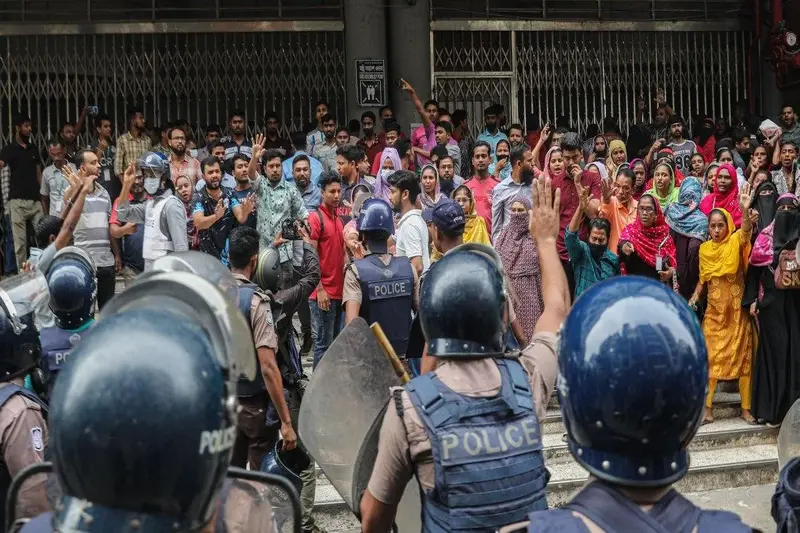
On Tuesday, police fired tear gas and stun grenades as thousands of workers clashed with officers after a wage board meeting was postponed. Around 500 of the country’s 4,500 factories are reportedly shut. The board meets again on November 23, and a new minimum wage is expected in December, taking effect in January.
Could Global Clothing Prices Really Go Up?
Short answer: possibly, but don’t expect a sudden jump at the checkout.
Labour is typically a small slice of a garment’s shelf price, so even a large pay rise is unlikely to show up as a dramatic price hike.
The bigger risk is disruption. The unrest is landing in the run-up to Christmas, the busiest export period for Bangladesh’s garment industry. Shutdowns can delay orders, and delays tend to push up costs for brands.
Manufacturers say factories can’t absorb steep raises alone and want brands to pay fairer prices. A human rights lawyer interviewed by Al Jazeera argues that Western buyers already keep most of the value these workers create. Either way, someone has to cover the gap.
Explore Bangladesh’s History, Regional Influence, Sports, and Global Connections
How Is Bangladesh’s Regional Influence Evolving?
Why Does Bangladesh’s 1971 Genocide Recognition Matter?
Who Will Win Bangladesh vs Pakistan’s ODI Battle?
Check out the 2026 ODI final preview, team squads, and key player battles ahead of the match.
What’s Changing in Bangladesh’s New Currency?
Find out about Bangladesh Bank’s new Tk 1,000, Tk 50, and Tk 20 banknotes and their introduction.
Why Is UAE’s Humanitarian Pardon Gaining Recognition?

