

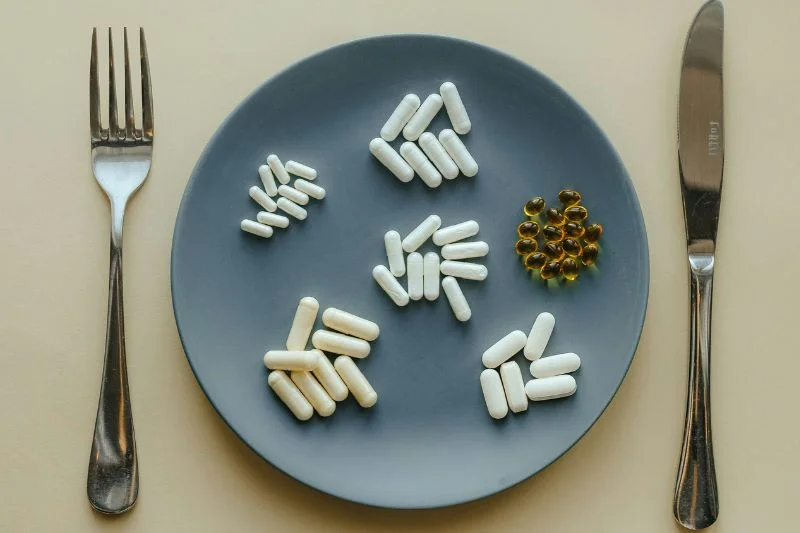
Are Wellness Supplements Worth the Hype? What Science Says About Popular Vitamins and Health Products
Walk into any pharmacy or scroll through social media and you’ll see hundreds of products promising better immunity, glowing skin, better digestion and more energy. The global wellness supplements industry has exploded in recent years, with everything from multivitamins and collagen powders to probiotics and herbal extracts. But the question is increasingly: Are wellness supplements really worth the hype, or are many consumers paying for claims not fully supported by science?
Experts say it’s not just a case of yes or no. While some supplements can be beneficial for people with certain dietary deficiencies or health conditions, many healthy adults might not find they gain much from taking them without appropriate guidance.
Why Wellness Supplements Are More Popular Than Ever
With the COVID-19 pandemic, there has been an increasing demand for wellness supplements as consumers are becoming more health conscious. Globally, products claiming to boost immunity, improve gut health, reduce stress and slow aging have become billion dollar businesses. Influencers, celebrities and wellness brands have also boosted the trend, promoting supplements as part of a healthy lifestyle. But scientists warn that the marketing often gets ahead of the science.
What Science Says About Popular Supplements
Multivitamins
Multivitamins are still among the best-selling supplements. They can be useful for people with vitamin deficiencies or restricted diets . Large clinical studies have found no clear benefit from regular multivitamin use in decreasing the likelihood of heart disease or cancer , or in extending the lives of otherwise healthy adults. Experts have advised against a daily vitamin pill and urged a healthy diet instead.
Vitamin D
Vitamin D is essential to immune function and bone health. Supplementation may be beneficial for those who get little sunlight or have confirmed deficiencies. However, most healthy people taking these high doses without medical guidance do not benefit, and may even have side effects from too much.
Probiotics
Probiotics are marketed for digestive health, though their effectiveness is dependent on the particular bacterial strains and the condition being treated. Research suggests that probiotics may help some people with digestive disorders or after they have taken antibiotics. But scientists say there isn’t enough evidence to recommend them for everyone across the board.
Collagen Supplements
Collagen powders, in particular, have become popular for improving skin elasticity, hair growth and joint health. There are a few small studies that suggest collagen peptides may help improve skin hydration and reduce joint pain a bit. But scientists say larger, longer-term studies are needed before making sweeping health claims.
Herbal Supplements
Herbal products, including turmeric, ashwagandha, ginseng and others, continue to draw attention for their purported health benefits. Some early research looks promising, but there’s not a lot of solid clinical evidence for many herbal supplements. Also these products may interact with prescription medications so medical advice is important before regular use.
Why More Experts Recommend Food First
Nutritionists always emphasize that supplements are an addition, not a substitute, for a healthy diet. Whole foods have vitamins, minerals, fiber, antioxidants and thousands of other beneficial compounds that can’t be replicated in one capsule. Of course, health long term is still based on fruits, vegetables, whole grains, lean proteins and healthy fats. Supplements are most useful when treating a proven deficiency, or at certain life stages such as pregnancy or older adulthood.
The Growing Business Behind Wellness
The global dietary supplement market continues to grow at a fast pace as consumers are spending more on preventive healthcare. The growth has also prompted worries about misleading advertising, exaggerated health claims and products backed by limited science. Regulatory agencies in many countries monitor manufacturers for safety and truth in labeling, but, experts say, consumers should be wary of products that claim “miracle” results.
Why It Matters
Wellness supplements can be an important part of health care when used properly. But experts agree they are not magic bullets for improved health. The best long-term investment still includes nutritious food, regular exercise, quality sleep, stress management, and consulting healthcare professionals before starting any supplement regimen. As scientific research continues to evolve, consumers are encouraged to discern between evidence-based nutrition and marketing trends before they spend their money on the latest wellness product.
Frequently Asked Questions (FAQs)
1. Do healthy adults require wellness supplements?
Not necessarily. Most healthy adults can get vital nutrients from a well-rounded diet, unless they have a diagnosed deficiency or a specific medical need.
2. Are multivitamins good for your overall health?
Studies show multivitamins may help those with nutritional deficiencies, but not usually prevent major diseases in healthy people.
3. Is collagen supplementation scientifically proven?
Some studies show modest benefits for skin hydration and joint comfort but the long-term evidence is not as robust.
Discover More Trending Stories You Shouldn’t Miss
What Caused Venezuela’s Deadly Earthquake?
Explore the latest updates on the Venezuela earthquake, rising death toll, rescue efforts, and the impact on affected communities.
Why Is OpenAI’s AI Speaker Unique?
Discover how OpenAI’s first screenless AI speaker could redefine smart homes with its innovative AI-powered features.
Why Visit Thailand Beyond Luxury Travel?
Check why experiential tourism is making Thailand the top travel destination for authentic adventures in 2026.
What Makes StepX Neo Revolutionary?
Explore the features of StepFun’s StepX Neo, the world’s first agentic AI smartphone, and what sets it apart.
Who Stole The Odyssey Premiere Spotlight?
Discover the standout fashion moments as Zendaya, Anne Hathaway, Tom Holland, and the cast dazzled on the red carpet.

