

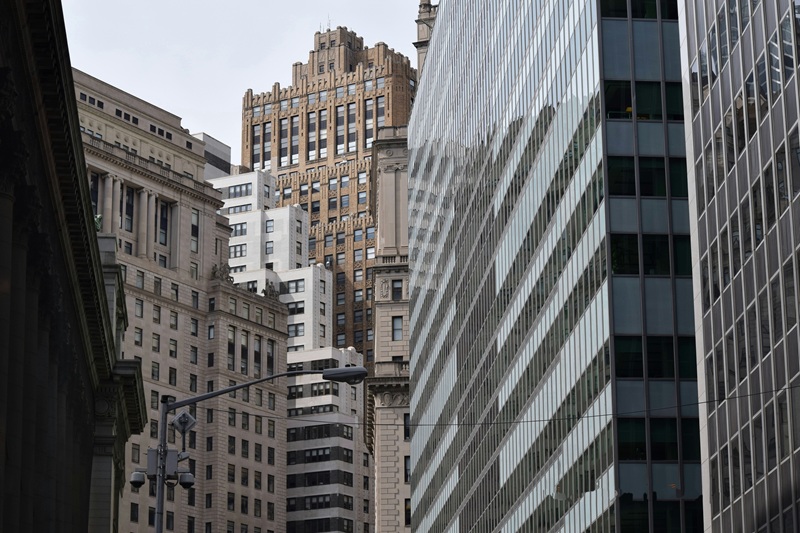
Why More American Cities Are Rethinking How They Use Empty Office Buildings
Ten years ago, nobody would have guessed that a glass tower in the middle of downtown could become a problem. Today, many of them sit mostly empty while people struggle to find an affordable place to live. That gap is why more American cities are rethinking how they use empty office buildings. The most popular answer so far is office-to-residential conversions, and this piece looks at why the idea is spreading and where it gets difficult.
Why Cities Are Looking at Their Empty Offices Differently
Remote and hybrid work changed how much space companies need. Office vacancy across the country ended 2025 at roughly 19 percent, and a large amount of office debt comes due by the end of 2026. Owners of struggling buildings must sell, refinance, or find something new to do with them.
Meanwhile, housing is expensive almost everywhere, and big cities have little open land left. An empty tower in a busy area starts to look less like a loss and more like a chance. At the start of 2026, about 90,300 apartments were being created from old offices, which is nearly four times the number in 2022.
What Cities Are Doing to Help
Local governments are using different tools depending on their needs. Chicago uses tax increment financing, which puts future property tax growth toward the project. Los Angeles has changed land use rules, and Washington, D.C. offers tax abatements, meaning owners pay less tax for a period of time. Many places are also loosening downtown zoning that once allowed offices and little else.
New York has the most planned conversions, and Washington is close behind. Smaller cities, including Manchester in New Hampshire, are trying it too.
Why It Is Not Always Simple
Many modern offices have deep floors with a windowless middle, which makes bedrooms hard to place. Every unit needs its own plumbing, and the work often costs more than building new. Some towers are just a poor match for housing.
Researchers at the Brookings Institution also point out that conversions will not fix downtowns on their own. Newer offices still find tenants, even in weak markets. So the better plans mix housing with shops, services, and public spaces instead of relying on one idea.
When it works, the payoff is real. Residents bring steady foot traffic to nearby cafes and stores, and cities collect more property tax from buildings that used to earn very little.
The protests and power struggles reshaping politics worldwide
Could student protests sway France’s election?
Find out how campus demonstrations are fuelling political tensions ahead of France’s presidential vote.
Why is Trump targeting campus protests?
See how Donald Trump’s remarks have intensified debate over anti-Israel protests at US colleges.
Can the Abraham Accords protect regional stability?
Explore why the future of Middle East stability may depend on preserving the accords.
What’s driving Serbia’s growing unrest?
Uncover how shootings, corruption and violence are stoking tensions across Serbia.
Why are Russians protesting Putin’s mobilisation?
Track down the reasons behind mass anti-war protests following Putin’s mobilisation declaration.

