Alaska Cancels Its Snow Crab Harvest As Ten Billion Crustaceans Perish
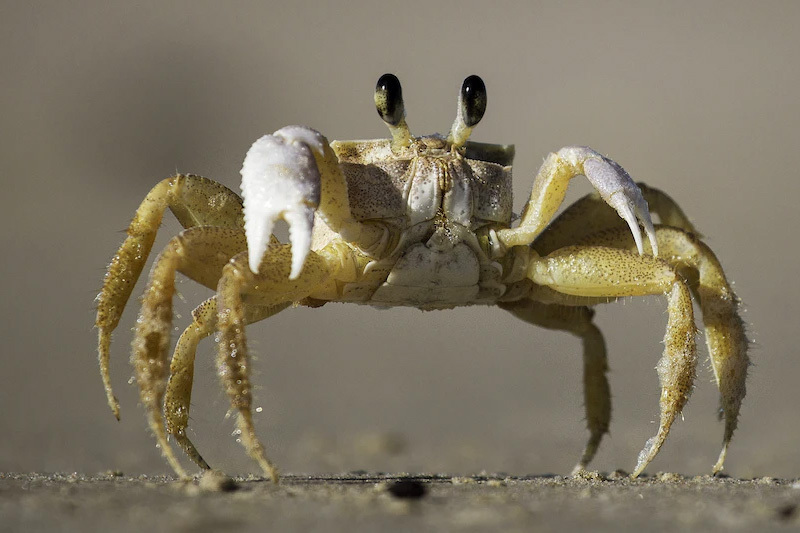
Between 2018 and 2021, the snow crab population off the coast of Alaska saw a steep drop, compelling the state to cancel its snow crab harvest in 2022 and again in 2023.
Some 10 billion of the cold water-loving crustaceans disappeared, representing around 90% of the region’s population. But what triggered the unprecedented die-off.
Scientists as well as the fishers and communities that depend on the snow crab population for income have been trying to piece together what caused the dramatic drop.
Increased Food Consumption As Temperatures Rise
The crabs likely died of starvation as a consequence of marine heat waves in 2018 and 2019, with other factors including an unusually large population of the species in 2018.
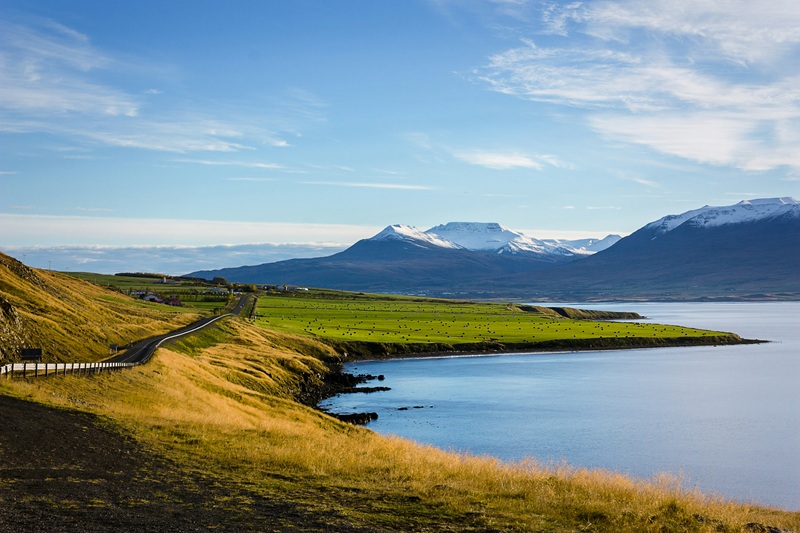
Snow crabs thrive in the chilly waters of the Bering Sea. Though they can survive in warmer conditions, they must increase the amount of calories they consume as the temperature rises.
Because of this, the crustaceans needed to find more food to survive during the 2018 and 2019 heat waves, while also dealing with increased competition for food due to a population boom.
Keep Reading
Other Species Likely Taking Advantage Of Crabs’ Plight
There simply wasn’t enough food for the snow crabs, leading many of them to starvation. Crabs caught after the heat wave began had smaller body sizes than those caught in years prior.
In addition, other species likely took advantage of the crabs’ condition. Warmer temperatures likely allowed other species to move into the normally frigid habitat and feast on the crabs.
And the crustaceans weren’t the only species that suffered because of the heat waves. The researches also noted a decline in salmon, seabirds and seal populations.
Will Alaska’s Snow Crabs Rebound? Read on
Meanwhile, the warmer water temperatures allowed some creatures, including sablefish and walleye pollock, to thrive – suggesting some species can adapt more quickly to big changes.
However, if temperatures continue to rise, the overall makeup of species living in the Bering Sea will likely be much different than it does today, according to the researchers.
Then will Alaska’s cold water-loving snow crabs rebound? It could take at least four years for sizeable crabs to make a comeback. Longer term, the species will likely need to relocate.