How a Little Boy and His Toys Inspired Winnie-the-Pooh ?
Ten years after the first Winnie-the-Pooh book was published, the bear’s tale still traces back to a real boy, his toys and a father who made a story out of play. The boy in the books was inspired by Christopher Robin Milne and the stories were written by his father, author A.A. Milne and illustrated by artist E.H. Shepard.
The story of the real boy behind Winnie-the-Pooh begins not in an enchanted forest, but with a teddy bear given as a birthday present.
A Bear With A Real Beginning
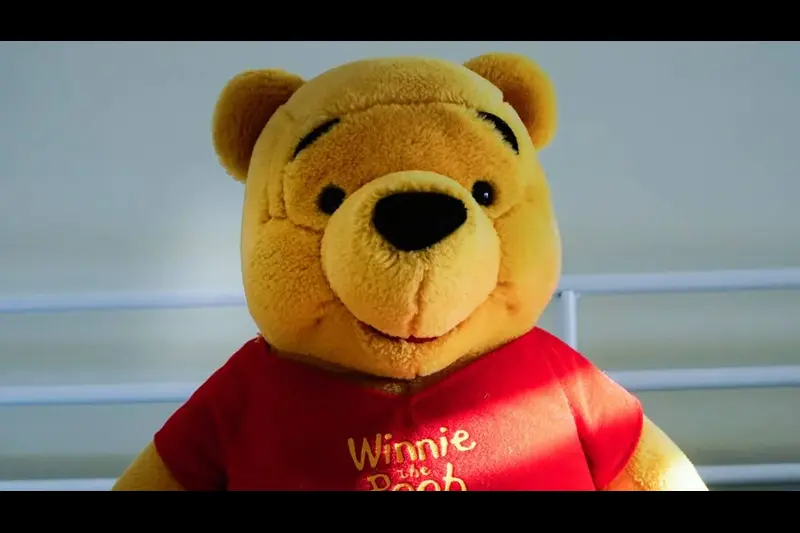
Christopher’s birth date was 21 August 1920. When he was 1 year old, on 21 August 1921, he was given a teddy bear from a Harrods London department store. The toy was first called Edward Bear. Later, Christopher named it Winnie-the-Pooh after two names he knew: Winnie, a black bear at London Zoo, and Pooh, a swan that he had seen. His name linked his own childhood world with one that millions of readers would meet.
The bear was not left to fend for itself. Christopher had other stuffed animals: Piglet, Eeyore, Kanga, Roo and Tigger. He played with them, and his father made them the models for stories. Owl and Rabbit, on the other hand, were created for the books, not for the toys. Also located in a real place – Ashdown Forest in the south of England, close to the Milne family home- The Hundred Acre Wood was set in the heart of the former Wimborne-Milne estate.
From Nursery Play To Published Books
Pooh gained readers’ attention before the first storybook came out. Pooh’s first poem is “Teddy Bear”, A.A. Milne’s first book (1924), and his first newspaper article entitled “The Wrong Sort of Bees” was written for the London Evening News on Christmas Eve 1925. In 1926, the book Winnie-the-Pooh was released, which, along with Shepard’s illustrations, helped to form the image that readers have of the bear and his friends. Pooh Corner was published in 1928. In addition to the storybooks, Milne wrote two poetry collections, When We Were Very Young (1924) and Now We Are Six (1927), which also included Christopher and the toys.
The books brought fame to the fictional Christopher Robin, but the life of the real Christopher was not so simple. As he got older, he found the spotlight on his name, as well as the association with a childhood character, to be difficult to handle. His story is a reminder that a work of art can be created by a child, without that child seeking fame.
Since 1987, Pooh, Piglet, Eeyore, Kanga and Tigger have been on view at the New York Public Library, where the original toys can be found. Roo was lost many years ago. Their frayed fabric is not just a pretty frilly detail; it’s a document of actual play that shaped the writing of novels originally published almost a century ago. Pooh stories aren’t exactly by Christopher Robin’s hand, but his toys, games and name gave them their enduring heart.
Explore the latest stories shaping global trade, trending toys and surprising fortunes
Could Red Sea Disruptions Raise Prices?
Check out how shipping disruptions could increase costs for American shoppers.
Will Middle East Shipping Costs Rise?
Find out why shipping challenges could make imported goods more expensive this fall.
Why Are Labubu Dolls So Popular?
Uncover the internet sensation behind Labubu dolls and their eye-catching resale prices.
Who Are The Richest Kids?
Discover the world’s wealthiest young heirs and their extraordinary family fortunes.
How Did Barbie Boost Mattel Sales?
Explore how the Barbie movie effect helped drive sales at the US toy company.