What Deadly Fungus China Smugglers Tried to Bring to the US?
Two Chinese nationals have been arrested by federal officials for trying to introduce a dangerous agricultural pathogen to the United States from China, a rare incident of possible biological warfare against America’s food supply chain.
The fungus, classified as a potential agroterrorism weapon, can cause a disease that wipes out crops and leads to liver damage in humans if it gets into food.https://t.co/2aH4ZxWIn9
— ABC News (@abcnews) June 4, 2025
The Federal Bureau of Investigation has detained two Chinese nationals: Yunqing Jian (33) and Zunyong Liu (34), on charges of conspiracy, smuggling, visa fraud, and making false statements to federal agents. Once Liu was stopped at Detroit Metropolitan Airport with materials infected by Fusarium graminearum, authorities moved to arrest him.
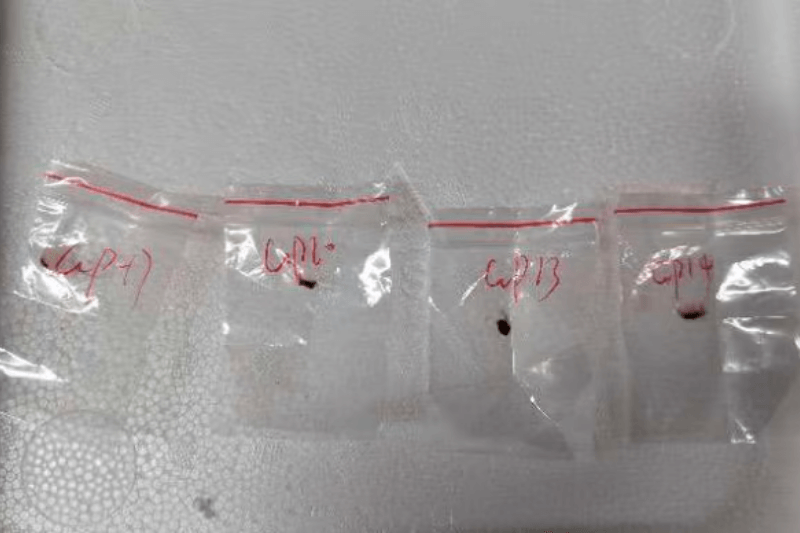
Airport security found packets of red plants in Liu’s backpack during their usual checks. Liu claimed at first that he did not know the materials, but afterward accepted that the samples obtained from China were being tested for research in a University of Michigan lab where Jian was employed.
What Health Risks Does This Fungus China Brought Pose?
Apart from harming the land, the fungus being smuggled by Chinese nationals seriously affects both human and animal health. Eating grain that has been infected causes severe harm to the liver, digestive problems, and complications with reproduction.
Pigs are especially sensitive to these toxins, which means the China smugglers brought could be extremely harmful on farms. Because of the effects on health throughout the whole food industry, the spread of this fungus in China could impact millions if intentionally introduced.
How Does This Fungus China Case Relate to Agroterrorism?
The recent smuggling case from China shows that dangerous actors may now threaten agriculture to destabilize both the economy and the government. While conventional terrorism can be detected, the use of pathogens like this fungus, as in the Chinese situation, might go unnoticed for a while and greatly damage the economy.
The results shown by similar cases from earlier periods prove that agriculture-related battles can win wars. During that war, Germany decided to send Colorado potato beetles against British potatoes, and Japan was interested in using grain rust spores as weapons. The 1984 Oregon salmonella attack happened when a religious cult tainted salads offered in restaurants, making 750 people sick and showing that acts of agroterrorism could happen in America.
What Evidence Links This Fungus China Smuggling to Coordination?
The FBI collected evidence showing the two defendants cooperated to smuggle the fungus from China in a structured manner. Information on Liu’s phone showed that Jian had already grown fungus samples brought from China at the University of Michigan laboratory.
Authorities raised alarm when they found an article titled “Plant-Pathogen Warfare under Changing Climate Conditions” on Liu’s phone, which suggested he understood how the fungus they brought could be used as a biological weapon.
How Are Authorities Responding to This Fungus China Threat?
The University of Michigan refuted accusations that research done by the suspected individuals was supported by Chinese government money. Leaders of the university pointed out their support for federal agencies and opposed any movements connected to risky fungus China imports that could put national security at risk.
This situation in China highlights how closely the federal government watches for biological threats against US agriculture. Since levels of global tension are increasing and the possibility of biological attacks is growing, stopping unapproved fungus China smuggling is necessary for national security.
The defendants might get significant prison time if found guilty of the charges, which reflects America’s determination to stop fungus smuggling into food systems.