

Why Venezuela Cannot Access $4 Billion in Gold Despite Urgent Earthquake Recovery Needs
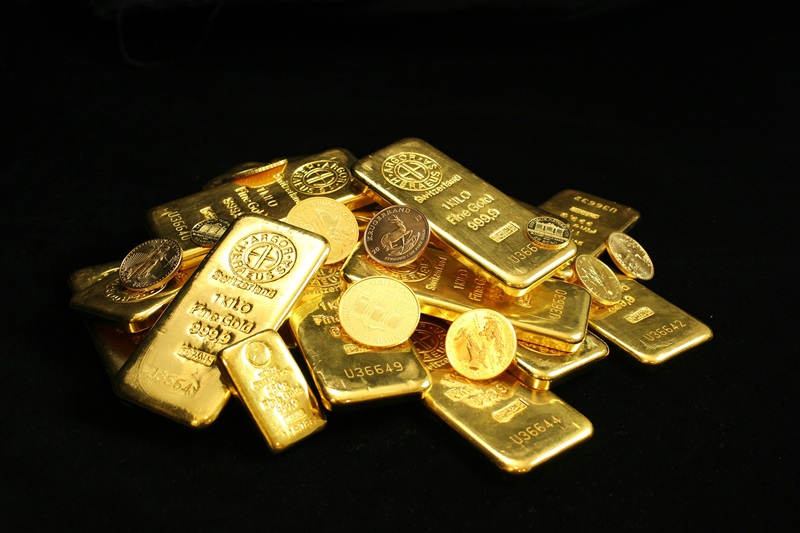
There’s a strange kind of cruelty in this story: Venezuela has a fortune sitting in a vault in London, and it can’t spend a dollar of it, not even now, with entire towns flattened by earthquakes and people sleeping outside. Around 31 tonnes of Venezuelan gold, worth close to $4 billion, has been locked inside the Bank of England for years. It’s not stolen. It’s not disputed in the sense that anyone denies it belongs to Venezuela. It’s just stuck. And the reasons why say a lot about how messy the intersection of politics and money can get.
How the Gold Ended Up Frozen
Venezuela parked part of its reserves in the Bank of England back in 2008, a pretty ordinary move, honestly. Central banks all over the world store gold overseas for safekeeping, and London has long been one of the go-to vaults for that. The trouble started after Venezuela’s contested 2018 election. The UK never recognized Nicolás Maduro as the legitimate president, and that single diplomatic stance has been enough to keep the vault door shut ever since. British authorities have essentially said: until it’s clear who actually speaks for Venezuela’s government, nobody’s walking out with the gold.
Why the Timing Feels So Brutal
Venezuela just went through twin earthquakes that killed and injured thousands of people and tore through housing, hospitals, and basic infrastructure. Estimates put the economic damage at somewhere around 6% of the country’s entire GDP, the kind of number that normally triggers a serious, well-funded rebuilding effort. Officials say the gold could pay for exactly that: emergency shelter, hospital repairs, restoring water and power, and the years-long work of reconstruction that follows a disaster like this. But none of that money is moving.
So What’s Actually Holding It Up?
It isn’t a question of ownership. Everyone agrees the gold is Venezuela’s. The sticking point is who gets to ask for it back and the UK has tied that answer to political recognition, not just paperwork. Since Britain doesn’t formally recognize a clear, uncontested government in Caracas, the Bank of England has kept the reserves frozen rather than risk handing them to the “wrong” authority. It’s a legal gridlock dressed up as caution. Amid a recent shift in Venezuela’s political situation, Acting President Delcy Rodríguez has personally pushed for the gold’s release, framing it as a humanitarian necessity rather than a political favor. She even wrote directly to King Charles III though under Britain’s constitutional setup, the monarch has no real power to step in and overrule government policy anyway.
Why the World Is Watching This One
This isn’t just a Venezuela problem. It’s a preview of questions other countries could face too:
- Who really controls a nation’s assets when its government is in dispute or crisis?
- Should a humanitarian emergency ever outweigh a diplomatic standoff?
- How much power should foreign banks have over another country’s reserves?
Some economists argue that freezing assets during political instability actually protects a country’s wealth from being misused. Others say that logic falls apart the moment people are dying and the money that could help them is sitting untouched a few thousand miles away. Whatever precedent gets set here will likely shape how future disputes like this one get handled elsewhere.
What Venezuela Is Left With
Without access to its own reserves, Venezuela has had to scrape together funding from other sources, some international aid, some financial workarounds. Reports suggest the country has managed to secure a few hundred million dollars through alternative channels, but that’s a fraction of what full reconstruction will cost. Every month the gold stays locked up is a month recovery slows down for people who’ve already lost enough.
Stay Ahead with Today’s Biggest Global Stories
Can Gaza Peace Finally Last?
Explore how Hamas accepted a ceasefire roadmap featuring complete disarmament and what it means for the region.
Who Made Algeria’s Political History?
Discover how Khalida Boufedeche became Algeria’s first woman parliamentary speaker and why it matters.
Why Are Copper Prices Dropping?
Check what caused copper prices to fall before the Fed’s rate decision and how global supply influenced markets.
How Is Europe Supporting Ukraine?
Explore how the European Commission’s €3.47 billion package will strengthen Ukraine’s defence capabilities.
What Did Zendaya Reveal Recently?
Discover what Zendaya shared about working with Tom Holland and their friendship on the Spider-Man set.
What Happens From Here
There’s no clean resolution in sight. Whether Venezuela ever gets its hands on that gold depends on how the legal fight plays out and whether London and Caracas find some diplomatic path forward. For now, roughly $4 billion in gold sits untouched in one of the most secure vaults on Earth, a quiet, glaring example of how politics can override even a country’s most urgent needs.
FAQ
Why can’t Venezuela access its gold?
Because of an unresolved dispute over which government Britain recognizes as legitimate not because of any doubt over who owns the gold.
Where is it being held?
In the Bank of England in London, a common storage site for national gold reserves.
How much are we talking about?
About 31 tonnes, valued near $4 billion.
Why does it matter right now?
Venezuela wants to use it to fund earthquake recovery rebuilding homes, hospitals, and infrastructure.

