

7 Ways US Tariffs Could Affect American Manufacturing Jobs and Workers in 2026
Ask a factory worker whether tariffs saved their job, and you’ll probably get a long pause first. Eighteen months after the big tariff push began, the promised manufacturing boom is still more argument than reality.
Why This Matters Now
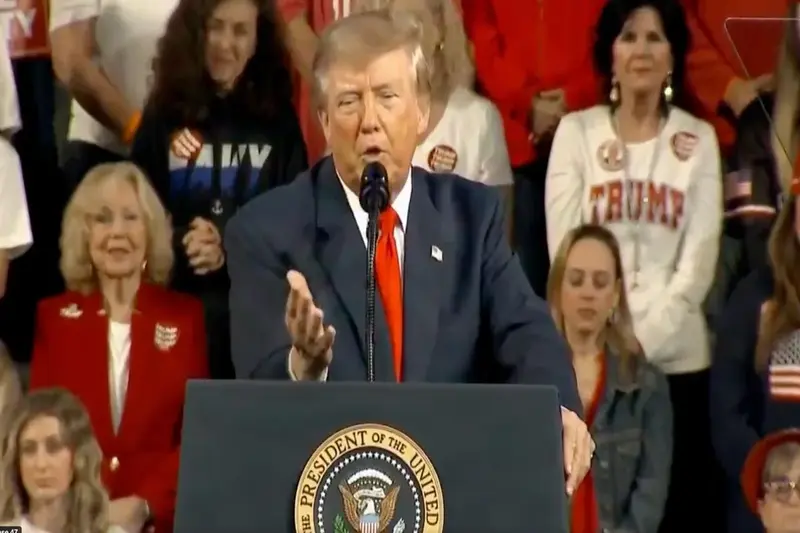
In April 2025, President Trump promised that tariffs would bring factories roaring back. The results since then are mixed. Manufacturing has added 29,000 jobs since January, but employment is still about 62,000 below its January 2025 level.
7 Ways Tariffs Could Affect Workers
1. Fewer jobs overall
Even with this year’s gains, factory employment sits below where it started. Other tallies use different dates and put the loss higher. One analysis found a drop of 82,000 jobs since Trump returned to office.
2. Clear winners and losers
Metal and transportation makers gained more than 41,000 jobs, while food, furniture and plastics makers lost over 32,000. Your industry matters more than the headline number.
3. Pricier materials
The price of imported inputs for primary metal manufacturing rose 17.41 percent between April 2025 and January 2026. When steel costs more, so does everything built from it.
4. Layoffs and shrinking payrolls
Allen Engineering, a concrete-equipment maker, ran at a loss in 2025 and cut its workforce from 205 to 140. John Deere laid off 238 workers and pointed to higher tariffs.
5. Courtroom whiplash
The Supreme Court struck down several emergency tariffs in February 2026, and a 10% replacement duty took effect. A federal panel ruled that duty unlawful in May. Meanwhile, new Section 301 investigations could bring back similar duties.
6. Planning paralysis
The administration has taken more than 50 tariff actions, and the constant reversals make life hard for small manufacturers. It’s tough to hire or sign long contracts when the rules keep changing.
7. A slow payoff
One economist says that even in the best case, it would take a decade for manufacturing jobs to climb back above pre-tariff levels. New factories take years to build and staff.
What Experts and Workers Say
Economists disagree on the cause of the recent uptick. Some credit AI and data center construction, lower interest rates and general demand rather than tariffs. Supporters say tariffs have boosted orders for American-made goods, while critics point to higher costs for parts and materials. Lori Wallach of Rethink Trade says the tariffs have been chaotic and often mistargeted.
Will Tariffs Help or Hurt Your Factory Job?
Tariffs aren’t a simple on/off switch for jobs. For some workers, especially in metals and transportation, they may help. For others, higher costs and legal uncertainty are the bigger threat. If you work in manufacturing, watch your sector’s hiring trends and your employer’s reliance on imported parts. Those two things may tell you more than any political promise.
Explore How Tariffs, Trade Disputes, and Security Tensions Are Reshaping Global Markets
Could Trump’s Steel Tariffs Raise US Costs?
How Are Tariffs Affecting American Businesses?
Why Is Australia Challenging China’s Wine Tariffs?
Is Europe Moving Toward Greater Military Independence?
Could Taiwan Tensions Disrupt America’s Tech Supply?

