

U.S. Drought Outlook October 2026: Dry Southern Plains Put Farms, Water and Grocery Bills at Risk
Imagine feeding hay to your cattle in early autumn, weeks before you normally would. Some Oklahoma ranchers are doing exactly that, because dry pastures aren’t growing enough grass. It’s a small sign of a much bigger problem, and one that could eventually reach your grocery cart.
Where the Drought Stands Now
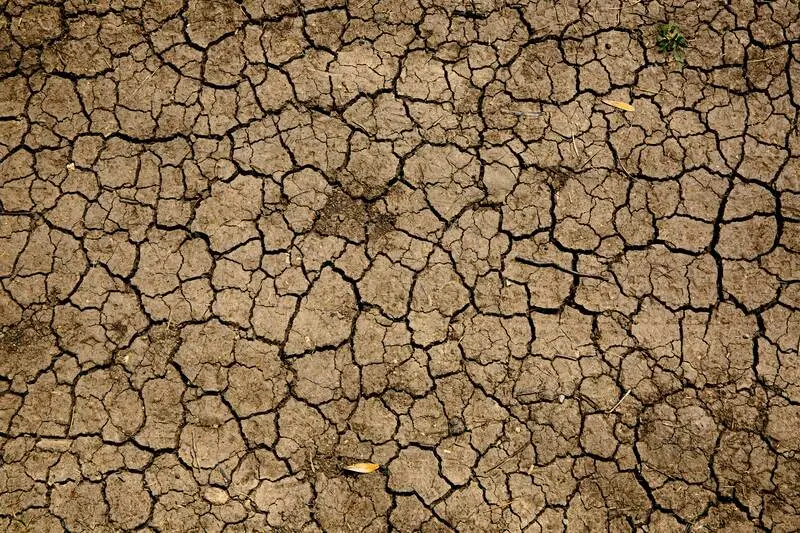
Fall began painfully dry. By Sept. 8, every part of Oklahoma was abnormally dry or in drought, and nearly 89% of the state was in severe, extreme or exceptional drought. That’s the worst since 2012. Texas isn’t much better. Much of the state remains in severe to exceptional drought, though far West Texas recently got helpful tropical moisture. Kansas has had a bit more luck. Recent rain eased drought pressure in parts of the west, but conditions remain uneven.
How We Got Here
This didn’t start overnight. By late March, wildfires had already burned over 1.1 million acres across the High Plains. Summer brought relief to some places, but not everywhere. Rainfall was highly inconsistent, and heavy storms in July mostly missed the hardest-hit parts of Central Texas. Around Lubbock, conditions worsened again through August.
What It Means for Farmers
Winter wheat is the immediate worry. Oklahoma farmers had planted just 3% of their wheat by mid-September, about half the usual pace. That matters beyond bread, because wheat pasture plays a major role in feeding Oklahoma’s beef cattle through winter. Costs are climbing too. Fertilizer prices jumped this spring, and some producers cut back on applications.
Water Supplies Under Strain
Drought isn’t only a farm issue. It has been hurting rangelands and water supplies, and raising wildfire risk. Stock-water conditions in northern, central and eastern Texas have deteriorated. Forecasters had also warned that high temperatures were likely to continue from August through October.
Will Food Prices Go Up?
Beef is the category to watch. Prices were already at record highs, and drought could slow the rebuilding of the U.S. cattle herd, which would keep prices elevated. Analysts have been cautious, though. They didn’t expect drought alone to push meat prices higher. In plain terms, shoppers are unlikely to see a sudden spike. A slow squeeze on beef and other staples is more realistic if the dry spell drags on.
What to Watch Next
The big question is rain. Federal forecasters track conditions closely, and the National Weather Service in Lubbock said drought was expected to improve. Whether that happens before wheat needs moisture is still uncertain. For now, farmers are watching the sky, and the rest of us are watching prices.
Stay Informed on Texas Storms, Winter Weather Disruptions, and Major U.S. Developments
Could Texas Face More Dangerous Flash Flooding?
Check out the latest updates on the storm system threatening central Texas with flash flooding.
Will Texas School Closures Disrupt Students Again?
Find out how winter weather alerts, school closures, and delays could affect Texas families.
How Much Snow Could Winter Storm Cora Bring?
Why Did Houston’s Storms Cause Widespread Outages?
Why Is Oklahoma Investigating CAIR and Brotherhood?

