How UAE’s Non-Oil Sectors Drive Economic Success and Global Leadership
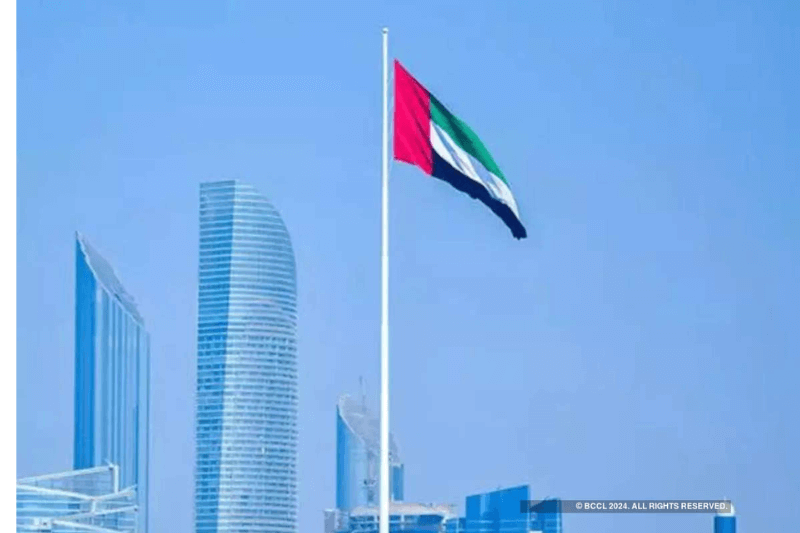
The United Arab Emirates is the second-largest economy in the Arab world. The UAE economy has grown significantly in recent times. The important thing to note is that economic growth has been seen at a time when the geopolitical situation in the Middle East, Europe, and the United States is very serious, but this growth reflects the UAE’s continued focus and commitment to hard work. This growth has been seen with the help of diverse sectors’ involvement, including non-oil sectors. This upward trajectory is supported by promising forecasts from major financial institutions like the Arab Monetary Fund, the World Bank, and the International Monetary Fund. This upward trajectory highlights key focuses of the UAE like tourism, real estate, and international trade.
The AMF and the UAE Central Bank have projected a strong growth of 6.2% in the UAE economy by 2025. This optimistic outlook is a result of improvements in various sectors like the tourism industry, real estate market, and international trade partnerships.
Keep Reading
An important factor in this economic success story is the UAE Central Bank. The recent currency swap agreements by the Bank with other countries such as Ethiopia, Seychelles, and Indonesia are another notable factor. These agreements are designed to facilitate and improve payment systems, further promoting trade and economic cooperation between the UAE and these countries.
When the topic of discussion is the ‘economic growth of UAE’, we cannot forget the Comprehensive Economic Partnership Agreements (CEPA). This agreement has played a significant role in establishing the country as a leading global trade hub. These agreements have not only expanded the trade reach of the UAE but also strengthened its economic resilience and global position.
The recent forecast by the IMF also aligns with this positive outlook presented by others. It is predicting a 4.1% growth in the economy of UAE throughout the years 2024 and 2025. The World Bank has similarly raised its forecast from 3.8% to 4.1%, highlighting a predicted fiscal surplus of 5.1%. These projections underscore the strong fundamentals of the UAE’s economy, supported by a vibrant non-oil sector and effective public and monetary policies aimed at sustaining economic development and financial stability.
The political situation in the Middle East is not stable, countries are at war or facing the impact of the war but in this difficult situation, the small Gulf nation UAE continues to diversify its economy and strengthen its position on the global stage. They are promoting harmony and focusing on positive growth in innovation, and trade.