Tyler Oliveira’s Deportation From Israel Sparks Global Debate Over Free Speech and Creator Accountability
For travel creators, journalists, and influencers who build careers documenting controversial stories, the line between “investigative content” and inflammatory rhetoric is becoming increasingly thin. That reality came into sharp focus this week after YouTuber Tyler Oliveira was denied entry into Israel and deported shortly after landing at Ben Gurion Airport.
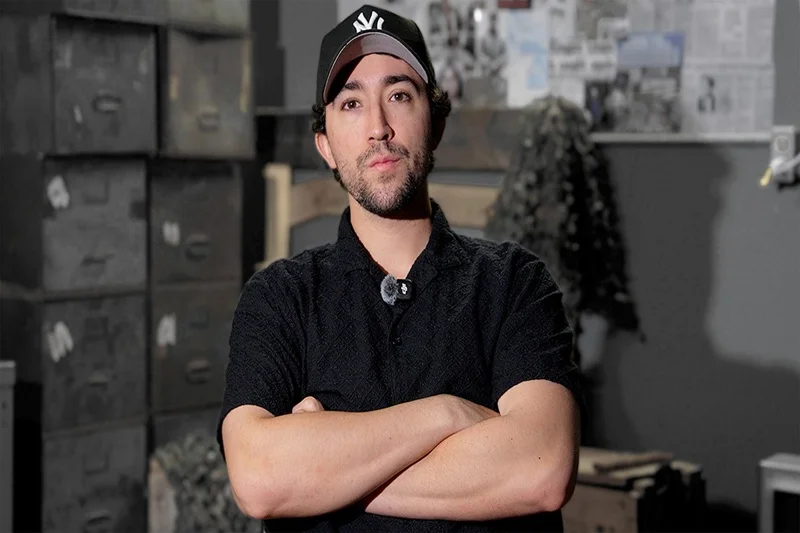
The incident, which occurred on May 12, 2026, has generated a heated debate online concerning antisemitism, freedom of speech, immigration, and the growing influence of internet personalities who can communicate with people around the world. Oliveira, known for his confrontational documentary style and viral street-interview videos, claimed he was removed from the country because of his recent reporting on Jewish communities in the United States. Israeli officials, however, argued the issue went beyond criticism and crossed into what they described as incitement against Jews.
From Viral Challenges to Controversial “Investigations”
Oliveira first rose to prominence through YouTube collaborations connected to MrBeast around 2018 before reinventing himself as a creator focused on controversial social and political topics.
Over the past few years, his channel evolved into a mix of street reporting, immigration commentary, and highly dramatized investigations. Many of his videos involve tense encounters with local people, emotionally-charged editing, and provocative titles meant to generate maximum engagement.
More recently, Oliveira drew criticism for content targeting immigrant communities and religious groups. Several of his uploads focused on ultra-Orthodox Jewish neighborhoods in places such as Kiryas Joel and Lakewood, where he alleged widespread welfare abuse and cultural isolation. Critics accused the videos of relying on long-standing antisemitic stereotypes while presenting little verified evidence to support many of the claims. Advocacy organizations and community leaders denounced the content as inflammatory and exploitative, especially since some of the interviews were of vulnerable community members in confrontational scenarios.
Supporters of Oliveira, meanwhile, argued that he was exposing issues mainstream media outlets avoid discussing.
What Happened at the Airport?
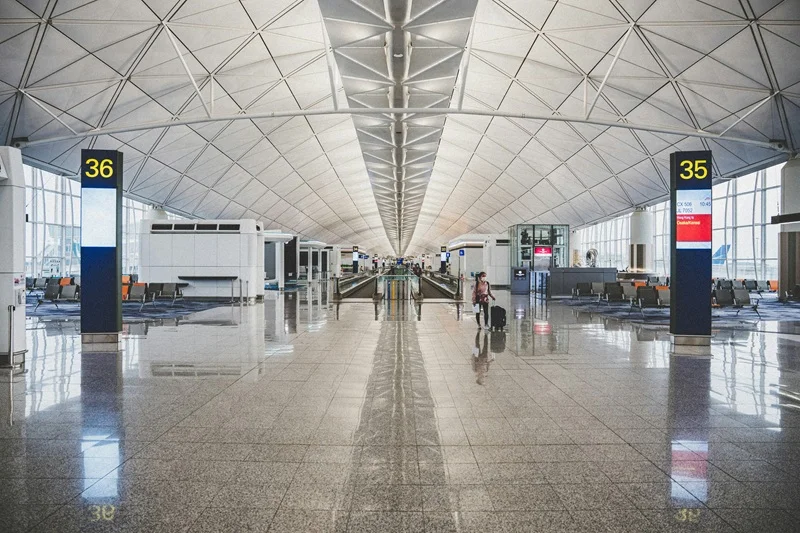
Before boarding his flight to Israel, Oliveira teased the trip on social media and openly questioned whether Israeli authorities would allow him into the country. According to reports circulating online, he landed in Tel Aviv aboard an El Al flight before being stopped by border officials during entry screening. Hours later, Oliveira posted photos and videos from the airport claiming he had been denied entry and ordered to leave the country immediately. He alleged the decision was tied directly to accusations of antisemitism stemming from his recent videos.
Israeli officials later publicly defended the move. Diaspora Affairs Minister Amichai Chikli reportedly stated that Oliveira’s content amounted to incitement rather than legitimate journalism or political criticism. Authorities also indicated that any future attempt by the creator to enter Israel would likely require special approval. The airport detention quickly became a viral moment in itself, with clips of Oliveira interacting with supporters spreading across social media platforms within hours.
A Growing Pattern of Platform Backlash
The deportation did not happen in isolation. Previously in 2026, Oliveira allegedly lost access to certain sections of his digital ecosystem when a web host from Germany reportedly shut down his website due to hate speech. Oliveira’s Patreon page was subsequently shut down in response to criticisms related to the same video posts. The YouTuber has been repeatedly accused of spreading misinformation. In one past controversy, Oliveira allegedly posted misleading narratives about immigrants and pets that went viral during the 2024 United States presidential election cycle. The allegations received widespread refutations but gained traction among conservative pundits on social media. Despite increased attention on his videos, Oliveira’s YouTube channel remains popular, highlighting the intricate connection between the platform and controversial characters who attract many viewers.
Importance Beyond YouTube Drama
The importance of the issue extends far beyond the YouTuber’s digital universe, showing a growing international phenomenon related to the way countries evaluate online behavior.
Today, the use of social media, comments, and other online content becomes an important factor for deciding about immigration and national security issues. For influencers and independent journalists, online personas are no longer separate from international travel.
Israel, in particular, has previously denied entry to activists and public figures accused of promoting hostility toward the state or Jewish communities. Oliveira’s deportation now joins a broader pattern in which governments treat online influence as a real-world security concern.
The controversy also raises difficult questions about where the boundary lies between investigative journalism, political commentary, and hate speech. There are risks associated with creating sensational content and depending on outrage-driven algorithms. While one viral clip will bring more traffic and profit, there are professional, legal, and even international ramifications associated with it.
Recommended Reads You Shouldn’t Miss
Discover Cinco de Mayo Food Trends?
Explore how tacos and regional tequilas are transforming Cinco de Mayo celebrations in 2026.
Discover One Piece 1182 Spoilers?
Explore the expected release date, major twists, and key manga spoilers fans are discussing.
Explore Why Nintendo Raised Prices?
Check the latest reasons behind Nintendo Switch 2 price hikes worldwide and what it means for gamers.
Check BTS Mexico Tour Frenzy?
Discover how BTS received a massive welcome as global ARMY fans gathered in Mexico.
Explore Jessica Jones Marvel Return?
Check how Daredevil: Born Again Season 2 is reshaping Marvel’s street-level universe.
The Biggest Warning for Travel Creators
A warning is also sent out for those traveling alone, creating vlogs, and documenting their journeys. In the case of Oliveira, social media presence plays an important role in crossing border control. Most immigration authorities are known for checking out a person’s social media activities when issuing a visa or allowing them to enter.In addition, offensive and hate speeches as well as social disruption can affect visa application for a traveler as well as future visits. Video creators from politically sensitive regions will find it difficult to strike a balance between informative and entertaining aspects in their video content. Oliveira says he wishes to keep making provocative videos.However, he might serve as an example for how fame can get you into serious trouble.
FAQs
1. What caused Tyler Oliveira to be deported from Israel?
He was denied entry because of his videos about the Jewish community, considered to be antisemitic provocation beyond freedom of expression.
2. Was Tyler Oliveira’s YouTube channel taken down?
No, his channel remains active with millions of subs, but he’s faced website and Patreon bans.
3. What were the controversial videos about?
They alleged welfare fraud and a “Jewish invasion” in NY/NJ Orthodox towns like Kiryas Joel.
4. Can Tyler Oliveira return to Israel?
He’d need advance approval, but officials say his content makes it unlikely.
5. How has the public reacted?
Split: Right-wing fans cry censorship; critics call it justified against hate.