Turkey Parliament Passes Landmark PKK Peace Law: What It Means for the Kurdish Peace Process
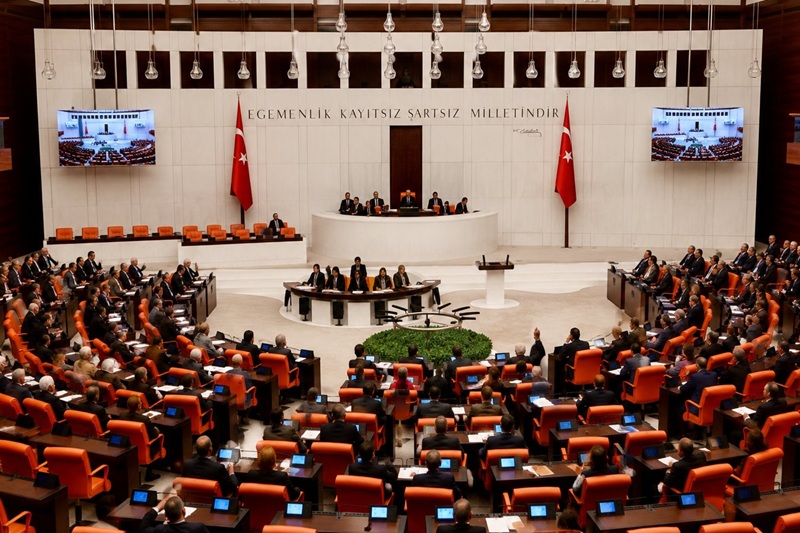
Turkey just crossed a threshold that seemed unreachable for most of the last forty years. On August 10, parliament passed a law laying out how the PKK can formally dissolve and it wasn’t a narrow, party-line vote. Erdoğan’s AK Party, its nationalist MHP partners, and the pro-Kurdish DEM Party all backed it, with 468 votes in favor against just 88 opposed.
What the law actually does
It’s not amnesty in the broad sense some might assume. Instead, it creates a legal off-ramp: PKK-linked individuals who haven’t committed serious crimes could gain legal protection, and some already convicted of membership could see their sentences suspended. But none of that kicks in automatically; it’s contingent on the PKK actually dissolving itself and handing over its weapons, with that process getting verified rather than taken on faith.
How we got here
The conflict itself dates back to 1984, when the PKK took up arms against the Turkish state. Over four decades, it’s cost more than 40,000 lives. There was already one attempt at peace, between 2013 and 2015, but it fell apart and fighting picked back up. This latest push started building steam in late 2024. The real turning point came in February 2025, when Abdullah Öcalan the PKK’s imprisoned leader publicly urged the group to lay down arms and disband. The PKK agreed a few months later, in May 2025, announcing it would end its insurgency. From there, parliament took over, translating that political momentum into actual legislation.
Why this matters beyond the headline
The significance isn’t just symbolic. Up until now, the peace process ran on political goodwill and informal understanding, which is fragile by nature. A legal framework gives former fighters something more solid to reintegrate around, and reduces the odds that laying down weapons just leaves people exposed to prosecution instead. There’s an economic angle too. Southeastern Turkey has borne the brunt of this conflict for decades, and the instability has scared off investment and stalled development there. Real, lasting calm could open the door to business activity, infrastructure, and trade that the region has been missing out on. And on a social level, easing tension between Kurdish and Turkish communities could shift the whole conversation from confrontation toward political participation.
More Stories You Shouldn’t Miss
Could Tom Holland’s Luxury Stay Surprise?
Discover the lavish details behind Tom Holland’s extravagant stay at Mumbai’s iconic Taj Mahal Palace.
What Makes India’s Brain Atlas Revolutionary?
Explore how Indian scientists are unlocking the mysteries of the human brain with cutting-edge 3D mapping.
Why Did US Seize Iranian Tanker?
Uncover the dramatic events behind the US Navy’s tanker seizure and its impact on India.
Why Reject Two Citizenship Offers?
Find out why Rashid Khan chose loyalty over offers from India and Australia.
How Did Vikram-1 Create History?
Check out how Skyroot’s Vikram-1 became a milestone for India’s private space ambitions.
What’s still unresolved
This law doesn’t settle everything. Bigger questions about Kurdish political and cultural rights, Turkey’s anti-terror legislation, and what happens to Öcalan himself remain untouched. Kurdish politicians have been fairly blunt about this: they see it as a starting point, not the finish line. The hardest part is still ahead. Verifying that the PKK has genuinely disarmed and disbanded is no small task, and Kurdish representatives are likely to keep pushing for deeper democratic reforms alongside it. So in some ways, the real test is just beginning.
Where Things Go From Here
The near-term focus is disarmament, verification, and getting former militants reintegrated. If that goes smoothly, Turkey could be looking at the end of one of the region’s longest-running insurgencies. If it stalls or breaks down, the mistrust that’s defined this relationship for decades could easily resurface. Either way, this vote marks a real shift, an attempt to resolve through law and politics a question that’s mostly been fought over with force.
FAQs
1. What is Turkey’s new PKK peace law?
It is legislation establishing a legal framework for the PKK’s disbandment and for the reintegration of eligible former militants.
2. Did Turkey’s parliament approve the law?
Yes. Parliament approved the legislation on August 10, 2026, by 468 votes to 88.
3. Does the law give a blanket amnesty to PKK members?
No. Legal protections and possible sentence suspensions are conditional and do not apply to people who committed certain crimes.