

Supreme Court to Review Trump’s Asylum Order: What Could Change at the US Border?
Imagine walking for weeks to escape danger, reaching the US border, and being told you can’t even apply for protection. That is the reality behind a case now headed to the nation’s highest court.
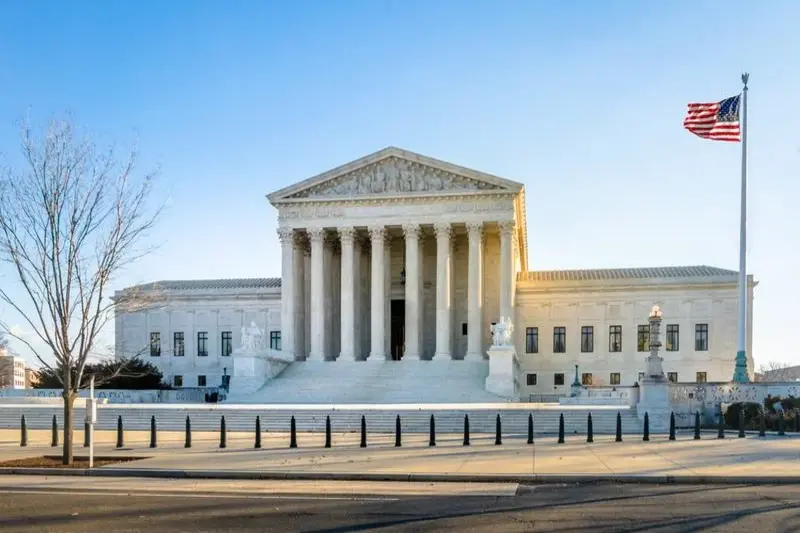
On Friday, November 13, the Supreme Court agreed to review President Donald Trump’s order suspending asylum access at the southern border. The decision could shape US immigration policy for years.
What Is the Supreme Court Asylum Order?
After returning to office in 2025, Trump signed an order describing the southern border situation as an “invasion.” It effectively shuts the door on asylum applications there.
Lower courts have ruled the policy illegal. Still, it has stayed in place while the legal fight continues.
Why Asylum Law Is So Tricky
Federal law says people can seek asylum if they fear persecution at home, no matter how they entered the country. But the law also lets the executive branch decide who actually receives it.
That tension is the heart of this case.
What Each Side Argues
The administration says it can categorically deny asylum to migrants covered by the order. It argues it shouldn’t have to process applications that are headed for rejection anyway.
Solicitor General D. John Sauer says border encounters have dropped 93 percent since the order took effect, to levels not seen since the 1960s. Officials also point to years-long processing times, which once meant many migrants were released into the country while they waited.
The ACLU and immigrant rights groups see it differently. They note that crossings were already falling before Trump took office. They also argue the order creates a new removal system by decree, when the law calls for case-by-case decisions.
What Happens Next
The justices are expected to hear arguments in the spring and rule by the end of June. This is the third major immigration case on the court’s docket this term. The others involve deporting people to countries other than their homelands and detaining immigrants indefinitely during deportation proceedings.
Earlier this year, the court sided with the administration in a separate asylum case. That ruling cleared the way for a possible revival of “metering,” which turns migrants back at the border.
Why It Matters
For families fleeing violence, this ruling decides whether they get a hearing at all. One plaintiff group says its clients escaped political imprisonment and Taliban threats, yet were never considered for asylum.
The stakes reach beyond migrants. Border towns, shelters, courts and employers all feel the effects of any shift in who can enter and how fast.
Legal observers will likely focus on one question: does the president’s authority to grant asylum include the power to block people from applying? Whichever way the court answers, it will set a precedent for future presidents of both parties.
Explore the Major Court Battles, Legal Decisions, and International Cases Making Headlines
Could Missouri’s Map Battle Shape Midterms?
Can Workplace Radiation Cause Cancer Legally?
Why Was Adani’s US Bribery Case Dropped?
Uncover the court ruling behind the decision and what it could mean for Gautam Adani.
What Happens After Kinahan’s Extradition?
Why Is the UAE Pursuing Arms Smuggling?

