

Syria Reconnects With Global Payments: Visa and Mastercard Transactions Mark Major Financial Milestone
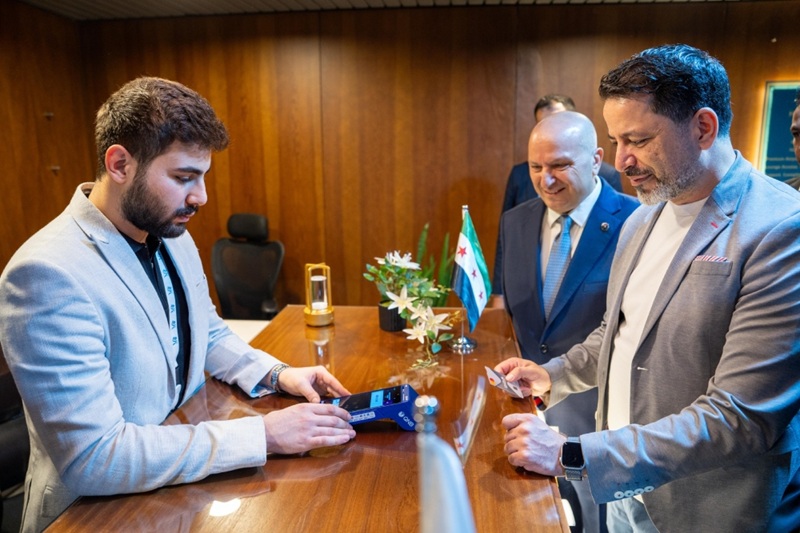
There’s something almost mundane about paying for dinner with a credit card. You tap, it beeps, you move on with your life. But in Damascus last week, that mundane moment carried real weight because for the first time in over 15 years, it actually worked. On August 27, Mastercard and Qatar National Bank Group pulled off what they’re calling Syria’s first international Mastercard transaction in over a decade and a half. QNB Syria ran the payment through an approved local merchant using a card issued abroad. Around the same time, Visa quietly tested its own live transaction inside the country, working with Lebanon’s Fransabank and a Syrian fintech company called Paymera. The moment that actually made headlines, though, was when Syrian President Ahmed al-Sharaa sat down at a restaurant in Damascus and paid with a Visa card. It was a small, almost staged-looking gesture but symbolically, it said a lot: Syria is trying to plug itself back into the world’s financial grid.
Why now?
Timing isn’t a coincidence here. These transactions landed just days after the United States pulled Syria off its list of state sponsors of terrorism a designation that had helped keep the country financially isolated for years. Once that changed, doors that had been bolted shut for over a decade started to creak open. It’s also not something that happened overnight. Back in May, Syria’s central bank gave licensed banks and payment companies the green light to start working with global networks like Visa and Mastercard. By December 2025, Visa had already agreed with Syrian authorities on a roadmap for building out a modern digital payments system: cards, digital wallets, the whole infrastructure.
So can you use your card in Syria now?
Not really, not yet. This is very much a first step, not a finish line. Card acceptance is limited to a handful of approved merchants and locations, think hotels, restaurants, and businesses that regularly deal with foreign visitors. There’s no nationwide rollout yet, and getting there depends on a lot of unglamorous groundwork: regulatory approval, banking infrastructure, and Syrian institutions proving they can meet international security and compliance standards.
Why it matters beyond the coffee shop
If this expands the way officials hope, the ripple effects could go well beyond convenience for tourists. Easier international payments tend to attract more visitors, more foreign business, and more investment. They also tend to nudge economies away from cash which, in a country trying to rebuild trust in its financial system, means transactions become more visible, trackable, and formal. That said, nobody’s expecting a quick turnaround. Rebuilding a financial system after 15 years of isolation isn’t something that happens because two companies ran successful test payments. Banking relationships, cybersecurity, governance all of that takes years, not headlines.
Curious stories, fresh insights, and more to explore.
How Does Parenthood Affect Elite Athletes?
Check out how young children and parenthood can influence the health and performance of top athletes.
Could Hormuz Talks Change Oil Prices?
Find out how Iran-Oman shipping talks could affect global oil prices, trade, and supply routes.
How Are Dates Becoming Soft-Serve?
Uncover how an Abu Dhabi ice cream maker transforms date palms into a unique soft-serve dessert.
Why Did Crawford Gift Zelensky?
See how boxer Terence Crawford’s Ukraine visit led to an unexpected puppy gift for President Zelensky.
Why Is Europe Watching Iran Closely?
Dive into why European nations are strengthening diplomatic and security oversight of Ira
What’s next
For now, the focus is on quietly expanding where cards are accepted and shoring up the infrastructure behind the scenes. It’s not flashy work. But if it goes well, the day may come when swiping a card in Damascus feels as unremarkable as it does anywhere else which, in this case, would actually be the whole point.
FAQs
1. Are Visa and Mastercard working in Syria now?
Yes. Visa and Mastercard have successfully completed initial international card transactions in Syria, although nationwide availability has not yet been established.
2. When did Syria reconnect with international card payments?
Visa and Mastercard announced successful international transactions in August 2026, with Mastercard describing its transaction as the first international card payment in Syria in more than 15 years.
3. Can tourists use foreign Visa and Mastercard cards throughout Syria?
Not yet. International card acceptance is being introduced gradually and remains limited to approved infrastructure and merchants.
4. Why is this important for Syria’s economy?
International card payments can support tourism, business activity, digital commerce and financial-sector modernization while helping reconnect Syria with global banking networks.
5. What helped make the payment reconnection possible?
The development followed years of work to modernize Syria’s payment infrastructure, alongside changes in international sanctions and the U.S. decision in August 2026 to remove Syria from its state sponsors of terrorism list.

