Switzerland Tops 2026 Expat Quality of Life Rankings Again: 5 Reasons Wealthy Nations Couldn’t Keep Up
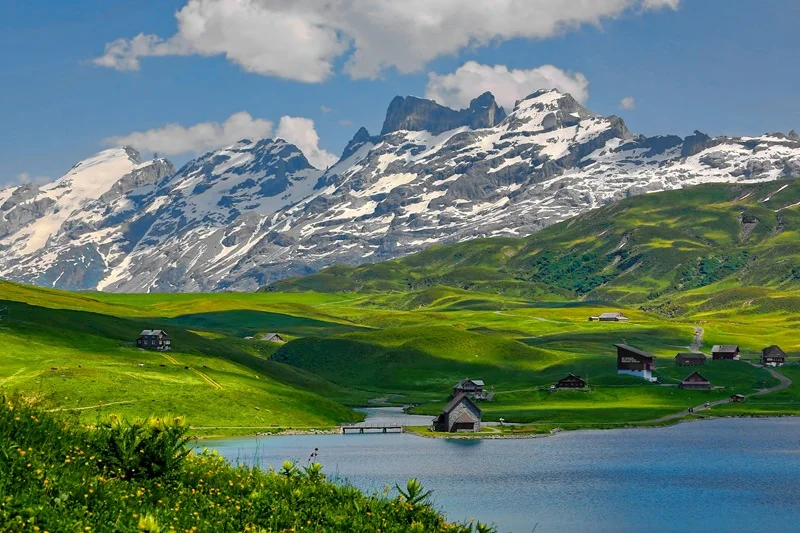
There’s a reason so many expats dream about Switzerland , and it’s not just the postcard-perfect Alps. For the third consecutive year, Switzerland has secured the top position in the 2026 InterNations Expat Insider survey for overall quality of life, beating several larger and wealthier economies that traditionally dominate global rankings. While countries like the United States and the United Kingdom continue to project economic power, expats living abroad say daily life tells a very different story. From personal safety and healthcare to clean air and dependable public transport, Switzerland appears to offer something many developed nations increasingly struggle to guarantee: peace of mind. The latest survey, based on responses from more than 12,000 expatriates across 52 countries, focused on the realities that shape everyday living , not just salaries or GDP figures. And according to respondents, Switzerland continues to outperform its global rivals where it matters most.
Switzerland Continues Its Winning Streak
The 2026 rankings reaffirm Switzerland’s reputation as one of the world’s most stable and livable countries.Its combination of high salaries, low crime rates, robust infrastructure, and good environmental conditions was frequently lauded by expatriates. However, global rankings show a different story. The Quality of Life Index by Numbeo for 2026 ranks Switzerland fifth globally, trailing countries like the Netherlands and Denmark.But among expats specifically, Switzerland’s mix of safety, efficiency, and long-term stability appears difficult to match. Meanwhile, historically strong economies were having their difficulties. For instance, the United States did badly when it came to safety and environmental pollution, whereas the United Kingdom had challenges in terms of cost factors.
1. Personal Safety Still Matters More Than Wealth
For many expats, safety isn’t a luxury , it’s the foundation of daily life. Switzerland earned some of the strongest ratings in the survey for personal security, with expats frequently describing cities and towns as calm, orderly, and safe at almost any hour. The country’s low crime levels, strong local governance, and social stability continue to make a major impression on foreign residents. By comparison, concerns around urban crime, social tensions, and inequality weighed heavily on perceptions of countries like the US and UK. Even affluent cities in those nations often struggle with rising public safety concerns that directly impact quality of life.
That sense of security may explain why roughly a quarter of Switzerland’s population is made up of foreign nationals , one of the highest proportions in Europe.
2. Healthcare That Expats Actually Trust
Healthcare emerged once again as one of Switzerland’s strongest advantages.
Expats surveyed praised the country’s healthcare system for its accessibility, speed, and consistently high standards. Even though the healthcare system in Switzerland is extremely costly, many participants believed that the high-quality healthcare service made it worth the price. The speedy consultation by specialists, reduced waiting times, and up-to-date medical equipment provided a significant advantage for Switzerland when compared to many developed countries that still face challenges in their healthcare systems. Countries highly ranked, like Canada and some Western European nations, were accused of having long procedures and overburdened public institutions.
Switzerland has one of the highest life expectancies in the world.
3. Public Transport That Runs With Precision
Anyone who has traveled through Switzerland knows the stereotype about punctual trains exists for a reason. The transport system was one of the best in the world, praised for its cleanliness, regularity, and seamless connection between all cities, villages, and mountainous areas.
Unlike other developed countries where having a private car is a necessity, Switzerland’s transportation system enables locals to do just fine without any car. This means that people here have a much easier life without commuting-related stresses and have more free time, which positively impacts happiness. On the contrary, the transportation issue continues to bother citizens of other developed countries such as the United States and the UK.
4. Clean Air and Environment – Another Strong Point
Perhaps the most valuable asset of Switzerland can also be the easiest one.
The nation still remains attractive for people who wish to have a healthy environment, whether from its pristine lakes or strong environmental policies. Clean air, minimal pollution, and proximity to nature were all cited by survey respondents as key contributors to quality of life in Switzerland. In today’s world, as global warming becomes an issue, environmental factors become more influential than ever before. Wealth alone, the rankings suggest, cannot easily compensate for pollution, overcrowding, or declining urban living conditions.
5. Stability Creates Confidence for the Future
Economic opportunity matters, but so does predictability.
Switzerland’s politics of neutrality, a sound economy, and favorable employment industries such as finance, pharmaceuticals, and technology have made it popular with foreign workers looking for security. Although expenses are some of the highest in the world, high wages and spending power compensate for these expenses.More importantly, Switzerland offers something increasingly rare globally: confidence in the future. By comparison, political polarization in the US and ongoing economic uncertainty in the UK appear to have damaged overall confidence among some expatriates surveyed.
Recommended Reads You Shouldn’t Miss
Discover One Piece 1182 Spoilers?
Explore the expected release date, major twists, and key manga spoilers fans are discussing.
Discover Cinco de Mayo Food Trends?
Explore how tacos and regional tequilas are transforming Cinco de Mayo celebrations in 2026.
Check BTS Mexico Tour Frenzy?
Discover how BTS received a massive welcome as global ARMY fans gathered in Mexico.
Explore Why Nintendo Raised Prices?
Check the latest reasons behind Nintendo Switch 2 price hikes worldwide and what it means for gamers.
Explore Jessica Jones Marvel Return?
Check how Daredevil: Born Again Season 2 is reshaping Marvel’s street-level universe.
Importance of Rankings outside of Switzerland
The expatriate rankings for 2026 represent the increasing trend in the definition of success while living abroad. For decades, international relocation was mainly driven by salary and career prospects. The significance of matters relating to lifestyle, including security, health care, environment, infrastructure, and stability, is continuously growing today. Switzerland’s supremacy conveys a powerful message to richer countries: economic power does not necessarily make a country attractive internationally anymore. The discussions about the ranking on social media have already made people consider moving to Switzerland again, particularly digital nomads and specialists. On the other hand, numerous expats warn that settling in Switzerland can be complicated because of expensive living conditions, demanding immigration procedures, and the difficulty of learning the language. Still, for many people weighing where to build a future, Switzerland increasingly represents something difficult to measure on paper , a sense of balance that many richer nations are struggling to provide.
FAQs
1. Why does Switzerland top expat quality of life but not general rankings?
Expats prioritize safety, health, and transport where Switzerland excels uniquely, per InterNations’ 12k+ survey,general lists like Numbeo weigh costs heavier.
2. How expensive is living in Switzerland really?
Cost of Living Index is 110.7 (high), but Purchasing Power at 176.1 means salaries stretch far for expats in tech/finance.
3. Can average people afford Switzerland’s quality of life?
Tough without high skills,focus on cantons with subsidies. Expats note integration takes effort, but rewards are huge.
4. What hurts other rich countries like the US?
Low safety (50.8), pollution (37.2), and housing woes dropped them,inequality bites despite wealth.
5. Will Switzerland stay #1 next year?
Likely, with ongoing investments in green tech and stability. Watch Nordic rivals closing in.