

Sumatra Floods & Mining: Can Indonesia Prevent Environmental Mismanagement After the 2025 Disaster?
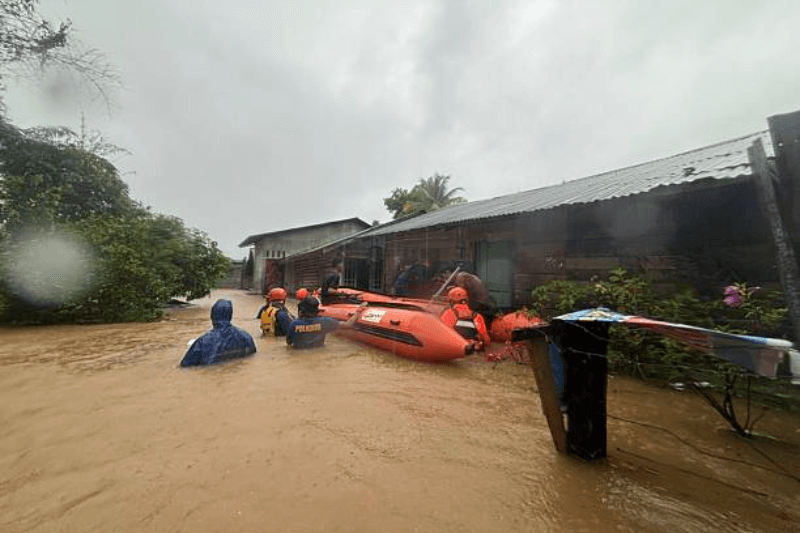
Caused by rare Cyclone Senyar and several days of intensive rainfall, the 2025 floods in the Sumatra area are among the fatal catastrophes that have taken place in Indonesia since the 2004 tsunami, claiming hundreds of lives and displacing thousands more. Mud walls, logs and debris tore down villages and revealed how weak the landscapes on the island have become after decades of deforestation, mining, plantations, and unregulated infrastructure. To most of the Indonesians, it was not just a natural disaster but an effect of environmental mishandling that transformed heavy rainfall into a disaster. The main issue now is whether Indonesia will eventually close its environmental control and land-use planning to avoid such a tragedy in the future.
How Mining and Deforestation Made Floods Worse
It has been found out that extensive plots of natural forest in North Sumatra were logged, palm oil, mining, hydropower and other projects, which undermined slopes and river catchment. The most recent estimates given by monitoring groups indicate that over 4 million hectares of forest have been lost in recent decades in Sumatra, with North Sumatra alone losing about 28-30 percent of its tree cover. During the cyclones as cyclone Senyar hit, bare hillsides turned into landslides and river of water, sweeping logs and soil into communities down the river. Environmental organizations claim that extraction zones were expanding into delicate watersheds not only through the illegal activity but also by legal permits and lax enforcement.
Signs of Policy Change After the 2025 Disaster
The anger of the population has compelled Jakarta to vow investigations into the manner in which permits were granted and whether the companies violated the environmental policies. The governments have established task forces with the office of the attorney general and the ministry of environment to interrogate logging, mining and plantation companies whose logs were discovered in the flood prone areas. People in authority and commentators are demanding tougher zoning of forests, greater regulation of upstream operations and a sober evaluation of the omnibus bill of job-creating that diluted environmental protection. Climate-risk checks are increasingly being imposed on project approvals and nature-based solutions like forest and watershed restoration are now given priority.
Can Indonesia Break the Cycle of Mismanagement?
Repeat disasters will not be prevented with occasional investigations. Specialists emphasize the importance of putting a limit or reversing the permits in the most dangerous watersheds, rehabilitating forest cover, as well as implementing the no-go zone regarding mining and large-scale plantations. The greater community involvement, open permit information and external control can serve to keep companies and officials on their toes. Finally, Indonesia has to choose between its dependency on extractive industries and climate resilience in the long term or transform extreme weather events into a human tragedy to happen on a regular basis.


