

Sudan Chemical Weapons Allegations: Eurasia Review Raises Fresh Questions Over SAF, Islamists and Iran Links
Sudan’s brutal civil war has entered a new and more dangerous phase with the addition of allegations that the Sudanese Armed Forces (SAF) used chlorine-based chemical weapons in an already devastating conflict. Eurasia Review’s new analysis puts the allegations alongside claims of increasing Islamist influence in the SAF and alleged links to Iran and the Islamic Revolutionary Guard Corps (IRGC).
The allegations, first laid out in a detailed New York Times investigation and unpacked further in an Eurasia Review analysis published September 8, 2026, paint a troubling picture: a national army allegedly building crude chemical bombs, leaning on hardline Islamist militias to stay in the fight, and possibly benefiting from foreign backers with their own agenda. Here’s what’s actually known, what’s alleged, and why the world isn’t rushing in with troops.
AS PER EURASIA REVIEW: What the Leaked Dossier Claims
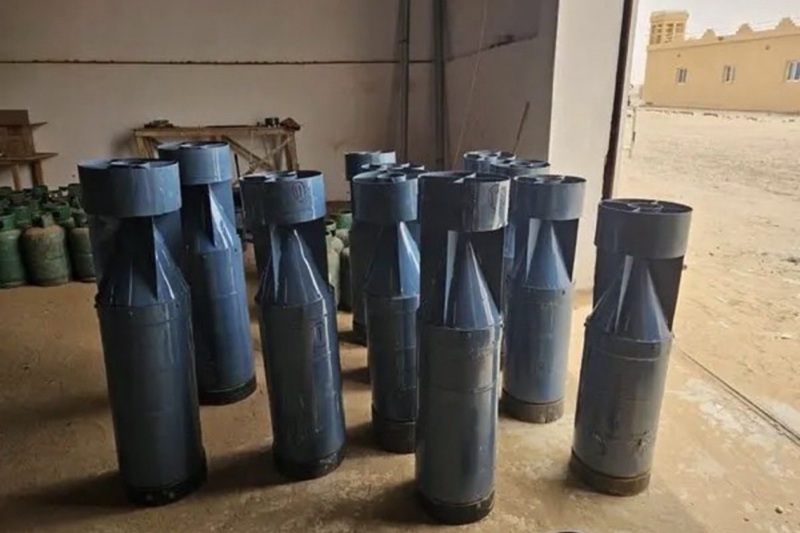
According to the Eurasia Review analysis, the leaked files describe a program where Sudanese Armed Forces (SAF) engineers packed roughly 15kg of chlorine gas into explosive devices, tested them in the desert, and used a small number in 2024 near Khartoum and the Al Jaili oil refinery. Some of that chlorine, the dossier claims, was diverted from water-treatment plants meant to serve civilians. Intercepted communications reportedly tie military chief Gen. Abdel Fattah al-Burhan to knowledge of the program and to a cover-up after the U.S. detected it. Khartoum has firmly denied all of it, insisting no toxic agents were ever deployed.
Sanctions, Not Strikes: How the World Is Actually Responding
Unlike Iraq or Syria, where chemical weapons allegations preceded military intervention, Sudan’s case is playing out through paperwork rather than airstrikes. Washington has already sanctioned both Sudan and Gen. al-Burhan, with a fresh round added in June 2026 under U.S. chemical and biological weapons law. At the international level, pressure is building at the Organisation for the Prohibition of Chemical Weapons, where the U.S. and allies have pushed to block Sudan from holding executive positions and are demanding independent inspectors be allowed on the ground. Why no boots on the ground? Analysts point to a mix of factors: the chlorine used is industrial-grade rather than military-grade nerve agent, both sides in Sudan’s civil war stand accused of atrocities, and there’s simply little global appetite for another open-ended military commitment in East Africa.
SAF-Islamist Networks: A Deep State Making a Comeback?
This is where the story gets bigger than one chemical weapons allegation. The analysis argues that Sudan’s military, worn down by battlefield losses to the rival Rapid Support Forces, has increasingly leaned on Islamist militias like the al-Baraa bin Malik Brigade groups with roots in the old National Islamic Front network from the Bashir era. That’s raising uncomfortable questions. If a national army needs ideologically driven paramilitaries just to hold its lines, what does that say about its cohesion? And if those same militias outlast the war, does Sudan risk trading one crisis for another, a more heavily armed version of the old Bashir-Turabi political order?
The Alleged Iran Connection
Adding another layer, the report also raises claims that Iran’s Islamic Revolutionary Guard Corps has been supplying training, weapons, and financing to Sudanese Islamist networks tied to the SAF allegedly building what’s described as a regional arms corridor.
None of this is independently confirmed by international bodies at this stage, and Sudanese officials have firmly denied any use of chemical agents. But the pattern being described as a strained state actor, a resurgent Islamist power base, and outside patronage is one regional security watchers take seriously regardless of how individual details eventually check out.
Why Civilians Bear the Real Cost
Behind the geopolitics are ordinary people, families displaced, water infrastructure allegedly weaponized, and communities caught between a military accused of war crimes and a paramilitary force accused of its own atrocities. Accountability, if it ever comes, is likely years away. For now, most Sudanese civilians are left navigating a war where even the rules meant to limit suffering appear to be breaking down.
What’s Making Headlines You Can’t Miss?
Could Hoekstra Face Expulsion From Canada?
Check out why thousands of Canadians are demanding action against the US ambassador.
Who Is Martina Strong, Really?
Uncover the diplomat’s UAE appointment and the political delays surrounding her confirmation.
Why Did Clancy’s Jury Deadlock?
Find out what led to the mistrial and why the jury couldn’t reach a verdict.
Why Is Lake Ontario Renamed?
Browse what Apple Maps’ surprising “Lake America” change means and why it happened.
Which Haunted Hotels Should You Visit?
Experience five spooky American hotels known for paranormal encounters and eerie stays.
What Happens Next
For ordinary people, this isn’t abstract geopolitics. It’s about whether a war that has already displaced millions gets a new, harder-to-reverse layer: armed groups that outlast the fighting itself. Even if the SAF eventually wins the war, the analysis warns it could become dependent on the very militias that helped it survive, leaving Sudan with a more heavily armed version of its old Islamist power structure, with knock-on risks for the Red Sea corridor and the wider Horn of Africa. The chemical weapons allegations may dominate headlines. But the longer story here is about who actually holds power in Sudan once the guns eventually fall silent.
FAQs
Q1: Did Sudan’s army actually use chemical weapons?
A leaked dossier and reporting from outlets including The New York Times allege the SAF built and used chlorine-based bombs in 2024. Sudan’s government denies this, and no independent international verification has been completed yet.
Q2: Why hasn’t the international community intervened militarily, like in Syria or Iraq?
The chlorine involved is industrial-grade rather than a military nerve agent, both warring sides face atrocity accusations, and there’s little global appetite for a new military commitment in East Africa. The response so far has centered on sanctions and diplomatic pressure.
Q3: What are Islamist militias, and why do they matter here?
These are armed groups with roots in Sudan’s Bashir-era National Islamic Front, such as the al-Baraa bin Malik Brigade. Analysts say the SAF’s growing reliance on them could allow Islamist networks to regain political influence after the war.

