Iran Says Strait of Hormuz Reopening Depends on US Meeting Commitments as Oman Deal Nears
Talks between Iran and Oman over how ships will move through the Strait of Hormuz are reportedly almost done. But according to Iranian officials, that’s only half the equation. Tehran says it won’t actually reopen the waterway until Washington follows through on commitments it believes the US has yet to meet, including pulling back military pressure it sees as a violation of earlier understandings. It’s a reminder that even as diplomacy in the Gulf inches forward, it’s still on shaky ground. Given that roughly one-fifth of the world’s oil passes through this stretch of water, governments, traders, and shipping companies are watching closely.
What Iran is actually saying
Iranian officials say the technical side of things, the actual shipping arrangements being hashed out with Oman is close to a final draft. But they’re drawing a clear line: an agreement with Oman alone isn’t enough. In Tehran’s view, the US needs to ease up militarily and remove the obstacles it says have been interfering with Iranian maritime activity before normal commercial traffic can resume. This is coming out amid broader, indirect back-and-forth aimed at cooling months of tension in the region.
Oman’s role as go-between
Oman has played mediator between Iran and the West for years, and this is no exception. Muscat is helping work out the technical details of things like how vessels will navigate between Iranian and Omani waters, and what procedures commercial ships will need to follow. Some pieces, like how transit will be managed and whether service fees will apply, are apparently still being ironed out. Progress is being described as encouraging, but nothing’s been finalized or signed yet.
Why the Strait matters so much
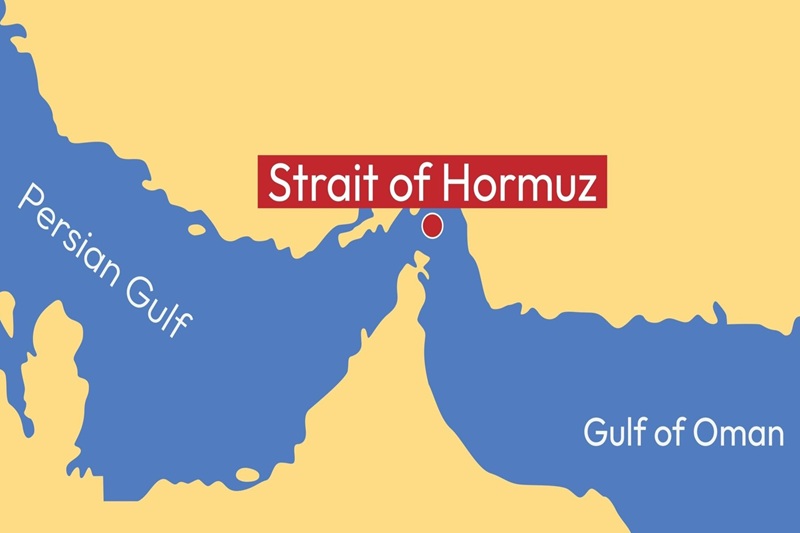
The Strait of Hormuz links the Persian Gulf to the Gulf of Oman and, from there, the Arabian Sea and its main export route for oil and gas from Saudi Arabia, Iraq, Kuwait, the UAE, and Iran. Mess with that route, even slightly, and you feel it fast:
- Oil prices move
- Shipping insurance gets pricier
- Global trade slows
- Energy security wobbles across Asia, Europe, and North America
Even the threat of disruption is enough to rattle markets.
Markets are watching, not celebrating
Oil prices barely budged on the news. Investors seem cautiously optimistic, but analysts are holding off on calling this a turning point. They want to see actual proof of more tankers moving, insurance costs coming down, cargo flowing without interruption, not just headlines about progress.
FAQ
Why does the Strait of Hormuz matter so much?
It’s one of the busiest oil corridors on the planet, handling about a fifth of global petroleum shipments.
What is Iran waiting on from the US?
Tehran wants Washington to follow through on prior commitments and stop what it considers violations before shipping goes back to normal.
What’s Oman’s role?
Mediator helping negotiate the actual logistics of safe commercial passage through the Strait.
Could this move oil prices?
Yes a real agreement could calm markets, while setbacks or renewed friction could push prices up.
Has the Strait reopened yet?
Not officially. Talks are still ongoing, and Iran says reopening depends on the US delivering first.
More Stories You Shouldn’t Miss
Could Tom Holland’s Luxury Stay Surprise?
Discover the lavish details behind Tom Holland’s extravagant stay at Mumbai’s iconic Taj Mahal Palace.
What Makes India’s Brain Atlas Revolutionary?
Explore how Indian scientists are unlocking the mysteries of the human brain with cutting-edge 3D mapping.
Why Did US Seize Iranian Tanker?
Uncover the dramatic events behind the US Navy’s tanker seizure and its impact on India.
Why Reject Two Citizenship Offers?
Find out why Rashid Khan chose loyalty over offers from India and Australia.
How Did Vikram-1 Create History?
Check out how Skyroot’s Vikram-1 became a milestone for India’s private space ambitions.