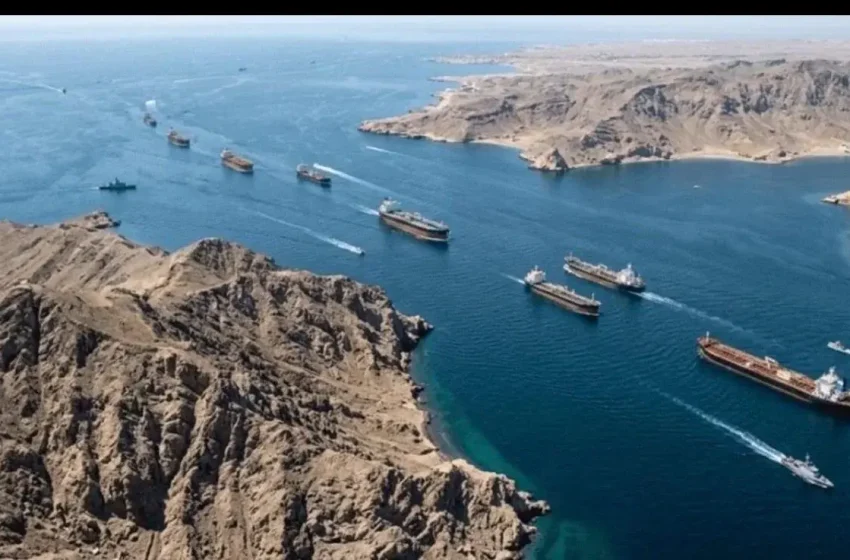
Red Sea Security Risks Return: What Fresh Dangers Mean for Global Shipping Routes
The Red Sea is busy again, but it is far from calm. After years of long detours around Africa, many carriers are sailing back toward Egypt, while fresh attacks keep owners on edge. This article explains what has changed, who is affected and why Red Sea security matters to anyone who buys goods or fuel. Knowing how today’s shipping routes are shifting also explains why delivery times and prices can change so fast.
Red Sea Security Concerns Grow as Ships Return
A Chinese-operated container ship was fired on off Yemen on October 7, just as the region’s recovery was gathering pace. That mix of progress and danger defines this moment. Container traffic through Suez reached 2.19 million TEU in September, up 40 percent on the month. A TEU is simply a standard 20-foot shipping container.
The danger has also changed shape. The Houthi blockade of Saudi Arabia’s Red Sea coast has put Saudi-linked vessels at risk. Traffic through the Bab el Mandeb, the narrow gate at the southern end of the sea, is still below earlier levels.
Shipping companies are weighing speed against safety. Maersk, Hapag-Lloyd, MSC, CMA CGM and COSCO have sent selected services back through Suez. Evergreen, ONE, HMM and Yang Ming have not. In short, the industry is returning slowly and unevenly, not all at once.
What It Means for the Suez Canal and Your Wallet
Oil tankers are finding practical workarounds. Some supertankers loading at Yanbu carry lighter cargo, or unload part of it in Egypt, so they can fit through the canal. These steps keep crude flowing to Asian buyers, but they add time and cost to every trip.
For Egypt, the Suez Canal is a major source of foreign currency, so every returning ship counts. The canal’s container rebate was withdrawn in April 2026, a sign that operators feel more confident about coming back.
For everyday people, the effects are indirect but real. A single incident can raise insurance fees, slow sailings and delay anything from electronics to clothing. Crude tanker owners are enjoying their strongest market in two decades, helped by disruption in the Red Sea and elsewhere, and higher freight costs often reach shoppers in the end. Businesses that plan for longer lead times will cope best while the waters settle.
Explore the Global Security Threats Reshaping Trade and Energy
How Is the Red Sea Crisis Disrupting Trade?
Uncover how shipping threats are affecting global trade routes and supply chains in 2026.
Why Is Bulgaria Seeking NATO Anti-Drone Systems?
Find out how Black Sea attacks are testing NATO’s eastern defences.
Could Aramco Attacks Push US Oil Prices Higher?
Explore why threats to Saudi oil infrastructure matter for energy security and global prices.
What Do North Korea’s Missile Launches Signal?
Dive into the October 2026 missile launches and their impact on regional security.
Could Red Sea Risks Trigger Another Cost Shock?
Look into how shipping disruptions could increase transport costs and put pressure on global prices.