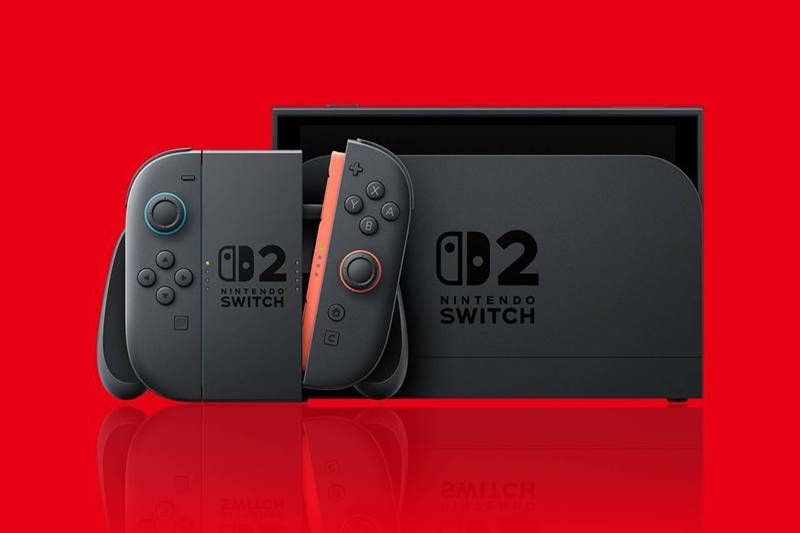
Nintendo Switch 2 Price Increase Explained: Why Nintendo Is Finally Raising Console Prices Worldwide
Nintendo has spent years resisting the kind of price hikes that have hit almost every corner of the tech industry. But now, even the gaming giant behind Mario and Zelda is feeling the pressure. An official statement issued by the company has confirmed that there will be an increase in prices around the world for the new version of Nintendo Switch 2. While Nintendo describes the move as a response to “changing market conditions,” the decision reflects a much bigger reality facing the gaming industry in 2026: building modern consoles is becoming significantly more expensive. For fans, the announcement lands at an awkward moment. The Switch 2 already sits in premium-console territory, and the new pricing could make buyers pause before upgrading.
Nintendo Confirms New Switch 2 Prices Worldwide
Nintendo says the revised pricing structure will begin rolling out from September in several global markets, while Japan will see the increase earlier on May 25. Here’s how the pricing changes break down:
United States: from $449.99 to $499.99; Europe: from €469.99 to €499.99; Canada: from CAD 629.99 to CAD 679.99; Japan: from ¥49,980 to ¥59,980. Nintendo also confirmed that updated UK pricing will be announced separately at a later date.
The increase marks a notable shift for the company, which had previously tried to shield consumers from rising economic pressure by maintaining stable console pricing while adjusting accessory costs and regional strategies instead.
Why Nintendo Is Raising Prices Now
Nintendo’s public explanation focuses on “global market conditions,” a broad term that usually points to several overlapping problems affecting the tech sector. Manufacturing costs have climbed sharply over the past year, especially for semiconductors, memory components, and display technology. At the same time, shipping and logistics remain volatile in several regions, while fluctuating currency exchange rates continue to affect international pricing. Industry analysts have also linked rising chip prices to massive demand from AI infrastructure and data center expansion. As companies race to secure advanced hardware for artificial intelligence systems, competition for components has intensified across the technology market, including gaming hardware. In simple terms, the parts inside modern consoles cost more than they used to, and companies are finding it harder to absorb those increases without passing some of the burden onto customers.
Nintendo’s Bigger Strategy Behind the Move
There is also a business calculation behind the decision. Nintendo historically avoids aggressive pricing changes because affordability has long been central to the company’s image. Unlike competitors that often lean heavily into high-end hardware marketing, Nintendo’s success has traditionally come from accessibility, family-friendly appeal, and strong first-party games. Analysts speculate, however, that there comes a time when securing profit margins and future stability of supplies becomes more important than maintaining the initial release price. Nintendo is well aware that demand for its product continues to be stable enough despite the rise in prices due to the popularity of exclusives.
Implications for Gamers
Clearly, the most evident effect on customers is increased costs when the Switch 2 is released. Consumers in many countries face budget constraints these days. While core gamers who have been following their favorite franchises from day one will continue buying the system, casual gamers might want to reconsider their options. Moreover, families looking to purchase multiple units of the device or additional accessories will also face increased costs. The psychological factor should not be overlooked here. The reaction of consumers is usually much fiercer when the price rises after the initial release rather than the release price being high itself.
The gaming industry is facing a wider cost crisis.
Nintendo is not alone here. Gaming hardware manufacturers across the industry have been struggling with a difficult combination of inflation, trade uncertainty, tariffs, and rising component costs. Several analysts have described the current situation as a “triple whammy” hitting console makers worldwide. The broader concern is whether traditional console pricing models are still sustainable in today’s economy. For years, gaming companies often sold hardware at thin margins while relying on software and subscriptions for long-term profit. But with manufacturing costs climbing steadily, that balance is becoming harder to maintain. Nintendo’s decision could signal that more hardware price adjustments are coming across the industry in the months ahead.
Why This Matters Beyond Nintendo
The Switch 2 price increase is about more than one console. This shows how global inflation, supply chain uncertainties, and demand for technology are changing consumer electronics in general. Companies with very loyal customers and a strong standing in the market are still having problems with avoiding increased prices for consumers. This means that gamers cannot expect waiting to equate to lower costs in the future. The question for Nintendo is how they will maintain what made their brand succeed in the first place while making gamers see the value in higher costs.
FAQs
1. When does the new Switch 2 price take effect?
The higher price starts in September in the U.S. and Europe, while Japan’s increase begins May 25.
2. How much is the price increasing?
In the U.S., the Switch 2 goes from $449.99 to $499.99. Europe rises from €469.99 to €499.99, and Canada from $629.99 to $679.99.
3. Why is Nintendo raising the price?
Nintendo says the hike is due to global market conditions, including broader cost pressures affecting hardware makers.
4. Will the UK price change too?
Yes, but Nintendo has said the UK revision will be announced later.
5. Will it affect sales for Switch 2?
Yes, it might. Prices being high means that demand would be reduced, particularly for families or frugal consumers, but good gaming software can make up for this.