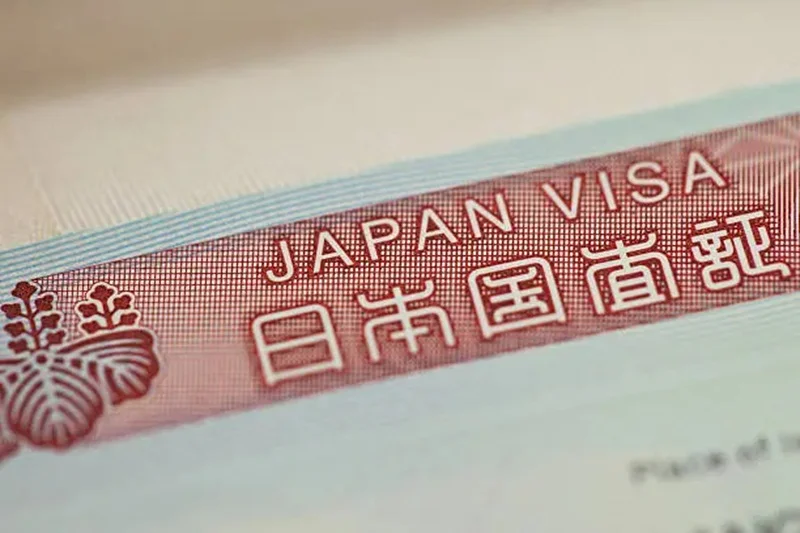
Japan Visa Fees to Increase Fivefold From July 1: What Tourists, Workers and Students Need to Know
Traveling, studying, or working in Japan could soon become much more expensive for foreign nationals. Starting July 1, Japan will likely raise visa fees, increasing costs for many applicants by as much as five times. This marks the first significant change to visa charges in nearly fifty years. Policymakers are facing inflation, higher administrative costs, and the ongoing impact of a weak yen. For millions of travelers and potential residents around the world, these changes could lead to much higher expenses before they even board a flight to Japan.
Japan’s New Visa Fees Explained
Under the new fee structure reported by Japanese media, the cost of getting a visa will rise significantly across key categories. A single-entry visa, which now costs 3,000 yen, is likely to go up to 15,000 yen. At the same time, the fee for a multiple-entry visa will increase from 6,000 yen to 30,000 yen. Based on current exchange rates, the new single-entry visa fee would be around $90, but the exact amount applicants pay will depend on local currency conversions and consular procedures. The new rates are expected to apply to visa applications submitted on or after July 1. This makes timing especially important for travelers planning upcoming trips.
How the Changes Affect Tourists, Workers and Students
While the headline increase may appear to target tourists, the impact extends much further.
Tourist Visas
The biggest increase will be for visitors coming for vacations, family visits or short stays in Japan. A single-entry tourist visa will cost 15,000 yen, up from 3,000 yen, and multiple-entry visas will be 30,000 yen, up from 6,000 yen. For families applying together, that extra cost can add hundreds of dollars to the total expense of travel.
Employment Visas
It will in all likelihood affect foreign professionals coming to Japan to work. There may be additional fees for separate residence permits and immigration procedures, but the visa fee is expected to be in line with the new pricing. A further financial consideration may be the rise itself for workers planning to relocate to Japan for employment opportunities.
Student Visas
International students going to Japanese universities, language schools, and academic institutions will likely face higher visa issuance costs. While tuition fees, accommodation costs, and residency procedures are separate, the first visa application process is expected to become much more expensive under the new rules.
Why Is Japan Raising Visa Fees?
Japanese officials have reportedly cited inflation and the falling yen as big factors in the decision. Despite years of economic turmoil and rising costs, visa fees have remained largely unchanged since 1978. With the change in the pricing structure, it appears that the authorities are aligning Japan’s visa system with those of other major developed economies. This also takes care of the larger financial needs. Increased visa fees could help cover administrative costs and boost government revenues as international travel resumes and Japan remains a popular destination for tourists, skilled workers and students.
Explore the latest ChatGPT trends, tools, and updates.
Can You Buy ChatGPT Shares?
Find out how retail investors can access pre-listing opportunities.
Need AI-Powered Insurance Quotes Fast?
Check out how ChatGPT is transforming cycling insurance.
Where Is ChatGPT Still Banned?
Uncover the countries restricting access to the AI tool.
Is ChatGPT 5 Worth Switching?
Compare the key differences between ChatGPT 5 and Grok 4.
Why Is ChatGPT Not Working?
See when service disruptions may be resolved and restored.
What the Increase Means for Travelers
The fee hike may impact vacation planning and travel budgets for budget-conscious travelers. The cost of a visa, once a small expense, will be a bigger upfront investment. Regular visitors may feel the pinch even more. The sudden hike in multiple-entry visa fees could add to the cost of travel for business travelers, academics and people with family ties in Japan who travel often. But the rise is a symbolic message as well as a fiscal one. Japan is open for business to foreign visitors and foreign talent, but it’s about to get more expensive than it’s been in decades to get into the country. It remains to be seen whether the higher charges will affect the demand for tourism. Japan is still one of the most popular destinations in the world, known for its unique mix of tradition, technology, culture, education, and business opportunities. For now, anyone planning to apply for a Japanese visa may want to submit their application before July 1, if eligible, to potentially avoid the significantly higher costs that will take effect.
Frequently Asked Questions
When will Japan’s new visa fees take effect?
The revised fees are expected to apply to visa applications submitted on or after July 1, 2026.
How much will a Japan tourist visa cost after July 1?
A single-entry visa is expected to increase from 3,000 yen to 15,000 yen. A multiple-entry visa will rise from 6,000 yen to 30,000 yen.
Are work visa applicants affected by the increase?
Yes. Work-related visa fees are expected to follow the new pricing structure. Separate residency and immigration procedures may involve additional charges.
Will international students have to pay more?
Yes. Student visa fees are expected to increase under the revised schedule. Tuition and residency-related costs remain separate.
Why is Japan increasing visa fees now?
Officials have reportedly mentioned inflation, the weakening yen, and the need to update a fee system that has not changed much since 1978.