

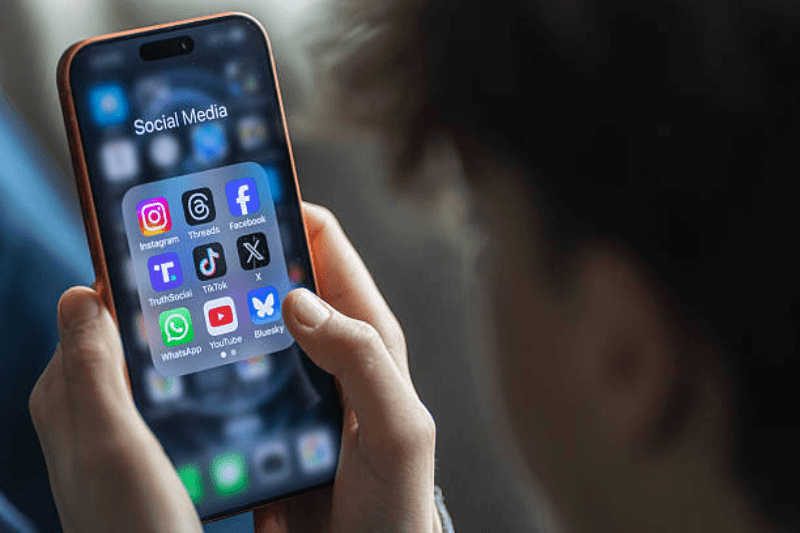
Japan Steps Up: Age Limits Hit Social Media – What TikTok and YouTube Users Need to Know Now
Late night scrolling and endless video loops have become routine for teenagers across the world. In Japan, that habit may soon face Japan’s social media age limits. With addiction, lack of sleep, and increased anxiety becoming common problems among young people using social media platforms, the Japanese government is seriously contemplating introducing age-based restrictions for such activities.What once sounded like parental advice is quickly turning into policy. If such an approach is adopted, Japan will join countries such as Australia, France, and the United Kingdom, where governments have already taken steps to regulate how minors interact on the internet.
A Shift From Advice to Regulation
At the center of the proposal is Japan’s Ministry of Internal Affairs and Communications, which has begun drafting measures aimed specifically at protecting users under 18. The plan goes beyond the usual warning labels. Platforms would be expected to verify a user’s age more reliably instead of relying on simple self declaration. Limits on time could be imposed, particularly on those elements meant to entice the users, such as infinite scrolling and algorithm-driven feeds. The need for stricter filtering of content is being strongly advocated, with an aim to minimize any risks from bullying, inappropriate content, and harmful challenges.
Major platforms including TikTok, YouTube, Instagram, and X would fall under these rules. While most already claim a minimum age of 13 in their policies, enforcement has often been inconsistent.
Why Japan Is Acting Now
Officials are responding to a visible shift in behavior among students. Surveys indicate that middle and high schoolers are spending more time online than ever before, often at the cost of sleep and academic focus. Teachers report shorter attention spans. Parents describe nightly struggles to get children off their screens.There is also a global context shaping Japan’s thinking. Australia has effectively pushed the minimum social media age closer to 16, while parts of Europe and the United States have tightened rules around data collection and addictive design features for minors. Japan’s approach signals something broader. Digital safety is no longer treated as a household issue alone. It is becoming a matter of public policy.
What Could Change for TikTok and YouTube
For TikTok, the experience for younger users could look noticeably different. Stricter age checks may flag underage accounts more quickly. The familiar endless feed might feel less endless, with reduced algorithmic recommendations for minors. Daily usage caps or automatic logouts are also being discussed.
On YouTube, the changes could extend further. Younger viewers may be pushed more aggressively toward YouTube Kids, where content is more tightly controlled. Night time access could be limited, and notifications might be reduced during school hours. Reporting systems for harmful content could also become faster and more responsive, especially when flagged by schools or parents.The intention is not to ban these platforms but to make them less consuming and more predictable for young users.
Economic and Social Tradeoffs
The potential benefits are clear.The result will be better concentration in classes. Parents do not have the pressure of keeping an eye on their children all day when using devices. Small behavioral shifts can make a huge impact on someone’s future mental health.
However, this change does not come without a price tag. A lot of money will have to be spent on developing age identification programs. Advertisers targeting teenagers will be under more pressure to comply, especially if they sell products like games, clothes, and beauty supplies.
Privacy issues also arise. Improved age verification means more information gathered.
A Divided Public Response
Japanese reactions to the proposed legislation have been polarized. While many parents and teachers welcome this step as something long overdue, others fear the possibility of regulations pushing teens towards fake social media profiles and more obscure social networking applications. The situation is reminiscent of similar developments in other parts of the world, where stricter legislation may minimize risks on popular websites, but force people to act offline.
A Global Signal
Japan’s proposal adds weight to a growing international trend. Governments will no longer let tech companies control their youth’s digital activities entirely. However, should Japan succeed in balancing safety and convenience, it may set a new trend in Asia and the rest of the world. At the moment, the discussion remains ongoing, but there is one thing that can be said for certain. The time when teens used social media without any limitations is drawing to a close.
FAQs
1. Will Japan completely ban social media for kids under a certain age?
Japan is not planning a flat ban, but it is considering strong age‑gated restrictions and usage limits rather than a blanket prohibition.
2. How will TikTok and YouTube ensure that users are of a certain age in Japan?
The officials are considering ways of verifying the user’s age besides just self-reporting by asking for documentation or using third-party services to ensure age-gating.
3. Will these laws be applicable to all people or only children?
The majority of the laws would target minors under the age of 18.
4. Would the new laws allow teens to continue accessing TikTok and YouTube?
Yes, they would access them with more filters, possibly time limits, and less addictive features, particularly for people under the age of 18.
5. When can we expect the implementation of the laws in Japan?
They would probably be implemented towards the end of 2026.


