British Etiquette Expert Reveals Hotel Behaviors Guests Should Never Do During Their Stay
Staying in a hotel should be a relaxing experience, but a few careless moves can make it a frustrating one for both guests and staff. A leading British etiquette expert says there are many things that travelers do in hotels, without realizing, that create unnecessary tension. Such habits may seem harmless at first but can inconvenience other guests, increase the workload for hotel employees and sometimes even lead to extra charges. As travel increases and hotels become less staffed, experts say basic courtesy is more important than ever.
Noisy Hallways Can Ruin Someone Else’s Stay
One of the most common complaints in hotels is noise in the corridors. For those who participated in late-night chats, doors slamming, shouting in hallways or gatherings outside guest rooms may seem trivial. But for travelers trying to sleep, recover from jet lag or prepare for an early meeting, these interruptions can be very disruptive. Noise complaints repeatedly can lead hotels to move guests or intervene themselves, creating problems for all involved, the etiquette experts point out. The easy answer is to keep the talk in the rooms and monitor the noise levels, especially in the evenings and early mornings.
Taking Hotel Property Isn’t the Same as Taking Complimentary Items
Most travelers are aware that hotels provide small toiletries for their guests to use. But larger items in guest rooms often cause confusion. The etiquette expert says guests are usually given free products such as soap, shampoo and cotton pads. Bathrobes, hair dryers, irons, towels and decorative accessories are not. Taking hotel property without permission could result in extra charges on a guest’s bill. In more serious cases, hotels could consider this to be theft. If in doubt, guests should always check with hotel staff before removing anything from the room.
Shared Spaces Should Be Shared Fairly
Hotels often have problems with their common areas, such as swimming pools, breakfast rooms, lounges and fitness centres. One of the foibles that set the staff and guests on edge is guests reserving pool chairs for hours on end without actually using them. Likewise, lingering at breakfast tables long after finishing a meal can prevent other guests from finding seats during busy times. According to experts, these actions may not violate any laws, but they usually violate the spirit of good hospitality and respect for others. Respecting public spaces helps to guarantee that all guests get equal access to the hotel’s amenities.
Small Housekeeping Issues Can Create Big Problems
An etiquette expert has revealed some hotel room habits that cause extra work for housekeeping teams. Food trays left in hallways, dirty linens scattered about the room, or washing clothes in hotel kettles can complicate cleaning schedules and sanitation practices. Housekeeping departments are often on tight deadlines. Big messes are often more time consuming to clean, which slows down room turnover and puts additional pressure on staff. Guests need to be encouraged to put used towels in the right place, request tray collection where possible and to keep their rooms in a reasonably tidy state.
Why Hotel Etiquette Matters More Than Ever
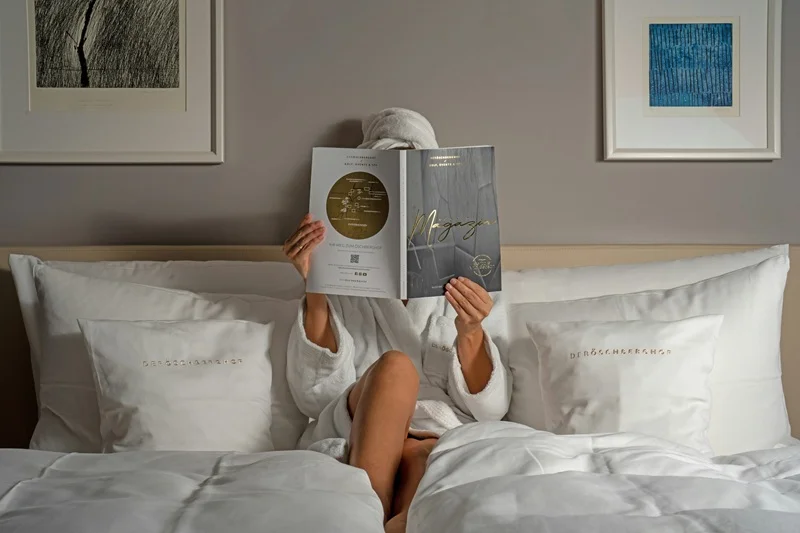
Hotel etiquette has been a hot topic in recent discussions as the travel industry deals with strong demand and staffing shortages. British etiquette expert William Hanson has revealed a host of guest behaviours that many hotels are frustrated by. Hotel managers and hospitality professionals have similar concerns, noting that surprisingly common habits include walking around barefoot in common areas or wearing bathrobes outside the private guest areas. These may seem like small things to do, but they can make other guests uncomfortable and make it difficult for hotel staff to do their jobs.
Bad Guest Behavior Can Increase Costs for Everyone
Poor etiquette not only creates awkward situations, but it can also lead to financial problems. Hotels that frequently face damaged property, excessive cleaning needs, or guest complaints might implement stricter policies, increase oversight, or introduce extra fees. Over time, these costs can impact the overall guest experience. Hospitality experts emphasize that mutual respect helps everyone. Guests have smoother stays, while hotels can concentrate on delivering better service instead of dealing with unnecessary conflicts.
What Travelers Should Do Instead
Experts recommend following a few simple practices:
- Keep conversations and entertainment volumes low, especially late at night.
- Only take items clearly intended as complimentary.
- Avoid reserving chairs, tables, or facilities that you are not actively using.
- Treat hotel rooms with care and consideration.
- Follow housekeeping and property guidelines whenever possible.
- Make special requests politely and well in advance.
These small efforts can significantly improve the experience for both travelers and hotel employees.
Explore the latest ChatGPT trends, tools, and updates.
Can You Buy ChatGPT Shares?
Find out how retail investors can access pre-listing opportunities.
Need AI-Powered Insurance Quotes Fast?
Check out how ChatGPT is transforming cycling insurance.
Where Is ChatGPT Still Banned?
Uncover the countries restricting access to the AI tool.
Is ChatGPT 5 Worth Switching?
Compare the key differences between ChatGPT 5 and Grok 4.
Why Is ChatGPT Not Working?
See when service disruptions may be resolved and restored.
Clear Communication Helps Prevent Problems
According to etiquette specialists, both parties are responsible. Hotels should make their expectations clear in check-in briefings, through signage and in-room materials. We request that guests take a few minutes to read these guidelines and follow the rules of the property. In most cases, a little courtesy and awareness avoids misunderstandings, complaints and unexpected charges.
Frequently Asked Questions
Is it acceptable to take hotel toiletries?
Yes, in general. The little things – soap, shampoo and the like – are often for guest use. Do not take oversized items without permission.
Can guests wear hotel robes in public areas?
Many hotels and etiquette experts say it is not good to wear robes in public areas because it could make other guests feel uncomfortable.
Should you tip housekeeping staff?
Tipping housekeeping is appreciated and often encouraged in many places, especially for longer stays.
How do I request a late check-out?
Ask nicely and contact the hotel as soon as possible. Giving notice in advance increases the chances of getting approval.
Can hotels charge guests for taking items from rooms?
Yes. Hotels may charge guests for removing items like towels, bathrobes, hairdryers, or other non-complimentary items.
.