

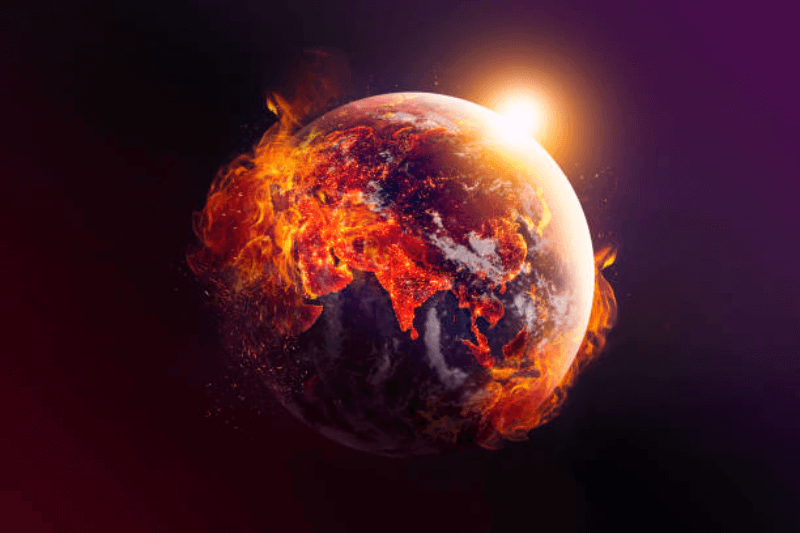
Global Drought Patterns: How 2025 Became the Hottest Year Yet
The 2025 year is generally referred to as the hottest in a record since time immemorial, and the temperature of the land and oceans has taken most parts of the world beyond the past limits. Rising heat has intensified global drought patterns, turning already dry regions drier and pushing once-stable climate zones into new levels of stress. There is a combination of prolonged heatwaves, delayed or weakened monsoons and changing rainfall that have struck agriculture, water supplies and ecosystems simultaneously. This is because the changing patterns of droughts are critical to the planning of water utilization, safeguarding the food security, and equipping the vulnerable communities to a warmer future.
Why 2025 Became So Hot
A number of aspects have added together to make 2025 unbelievably warm. Gaseous emission of greenhouse gases persists to increase the overall temperature of the earth and natural climatic patterns such as El Nino have the ability to increase world temperature but on a short term basis. The warmer oceans store and give out greater energy affecting rainfall and storms. This translates to less, yet heavier rainfall, extended dry seasons and heat waves unlike any ever experienced before, which dry soils more rapidly than before.
Shifting Global Drought Patterns
It is not just the continent that is affected by drought in 2025; various forms are manifested in different parts of the world. Certain areas have been hit by prolonged several-year droughts that drain reservoirs and destroy crops, whereas others have had the so-called flash droughts in which the soil moisture is quickly evaporated by heat and wind within a few weeks. Regions which previously depended upon a stable snowpack melt, and glacier melt are experiencing decreased water levels, impacting rivers and hydropower. Elsewhere, extreme heat is experienced after brief periods of heavy precipitation resulting in flood and drought pressure in the same season.
Impacts on Food, Water, and Ecosystems
The direct impacts of these drought patterns on food production are decreased yields on water sensitive crop varieties such as wheat, maize and rice and the stressing of livestock. Shortages of water struck not only the rural communities but also the cities and industry which had to be restricted and the little that was available was in competition. When ecosystems like forests, wetlands, and grasslands are exposed to recurrent heat and water stresses, they become susceptible to wildfires, outbreak of pests and loss of biodiversity. To most low income and agricultural reliant areas, such consequences increase the level of inequalities and migration stressors.
Adapting to a Hotter, Drier World
The reaction to record heat and drought in 2025 needs to be swift in the reduction of emissions and vigorous adaptation. At the adaptation level, nations will be able to invest in efficient irrigation systems, heat resistant crop types, improved management of groundwater and early warning of heat and dry spells. The city can enhance the green areas, water recycling, and heat resistant infrastructure to shield residents. Simultaneously, the global climate policy should hasten the transition to fossil-free energy to restrict the extent of warmer and drier the future years will be, as the current records can become the new normal in the future.


