

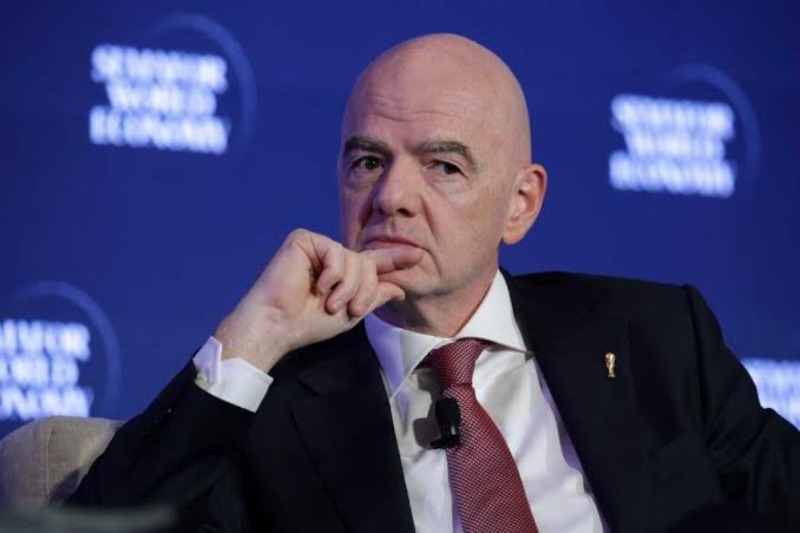
Gianni Infantino Under Pressure as European Boycott Threat Raises Questions Over FIFA’s Future
Last updated on August 10th, 2026 at 12:50 pm
Gianni Infantino has weathered plenty of storms as FIFA president, but this one feels different. What started as a disagreement over a commercial investment scheme has snowballed into something much bigger: a genuine crisis of confidence in his leadership, with one of football’s most powerful blocs threatening to walk away from FIFA competitions entirely.
How it started
The trouble began when FIFA unveiled plans for something called FIFA Forward Enterprise, a new subsidiary that would fold commercial rights and tournament operations into a single entity, one that could bring in outside money to fund the sport. On paper, the numbers were eye-catching: FIFA reportedly hoped to raise as much as $4.2 billion by selling minority stakes to investors, while insisting it would keep full control over the actual football side of things. UEFA wasn’t buying it. European football’s governing body, along with its 55 member federations, saw the plan as a step toward turning the World Cup and other flagship tournaments into assets for private investors to profit from. Their response was blunt: a threatened boycott of FIFA competitions.
A retreat that didn’t fix anything
Facing that kind of backlash, FIFA scrapped the proposal, and Infantino issued an apology. Normally that might be enough to close the chapter. It wasn’t. UEFA says its boycott threat is still very much alive, because withdrawing one plan doesn’t guarantee similar ones won’t resurface later. They want real assurances and so far, they say they haven’t gotten them. That standoff now hangs over upcoming FIFA events, including the Under-20 Women’s World Cup in Poland. It’s worth pausing on why this matters so much. European teams, clubs, broadcasters and sponsors are woven deep into FIFA’s commercial machine. If Europe actually pulled out, it wouldn’t be a symbolic gesture; it would shake the sport’s finances and its biggest tournaments at the same time.
Then Norway called for his head
Just when things seemed to be simmering rather than boiling, Norway’s football federation turned up the heat on Friday, publicly calling for Infantino to step down. Federation president Lise Klaveness didn’t mince words, saying trust in his leadership was gone and pushing for a wider look at how FIFA is governed. Norway also signaled its plans to file an ethics complaint touching on several issues that have dogged Infantino’s presidency. That’s a meaningful shift. This isn’t just pundits or fans grumbling anymore, it’s a national federation making the case directly. And players are speaking up too: England’s Lucy Bronze has voiced support for UEFA’s stance, suggesting that sometimes standing firm matters more than short-term convenience.
What’s really at stake
Strip away the specifics of the investment plan, and the real issue is trust. FIFA’s argument is straightforward enough: more commercial revenue means more money for grassroots programs, stadiums and development around the world. But critics counter that decisions touching the sport’s most valuable properties shouldn’t be made without far more openness and consultation than they got this time. The episode has also reopened an older debate about how much power sits with the FIFA presidency, and whether the organization needs stronger oversight, clearer financial transparency, and a firmer wall between its commercial ambitions and its regulatory duties. Infantino isn’t without allies; plenty of federations around the world still back him, and that support means his position isn’t in immediate jeopardy. But losing the confidence of Europe, arguably football’s most influential region, could make the job of running FIFA considerably harder no matter who’s president.
Would Europe really go through with it?
A full-blown European boycott would be almost unprecedented, and the fallout would be massive for broadcasters, sponsors, tournament revenue, and the millions of fans who’d suddenly find their national teams sitting out major competitions. Europe knows this too; it’s a threat with real costs on both sides, including for the players who’d lose out on the chance to compete. For now, it remains just that a threat, not a done deal. But the underlying message from UEFA hasn’t softened: pulling the investment proposal bought Infantino some breathing room, not forgiveness
European football’s growing revolt could reshape FIFA’s future.
Could UEFA’s Boycott Threat Shake FIFA?
Check out why Europe’s growing opposition could create a major FIFA crisis.
Why Is Infantino Facing Fresh Pressure?
Find out why UEFA and national federations are questioning his leadership.
Could Europe Really Boycott FIFA Events?
Explore what a European withdrawal could mean for football’s biggest tournaments.

