

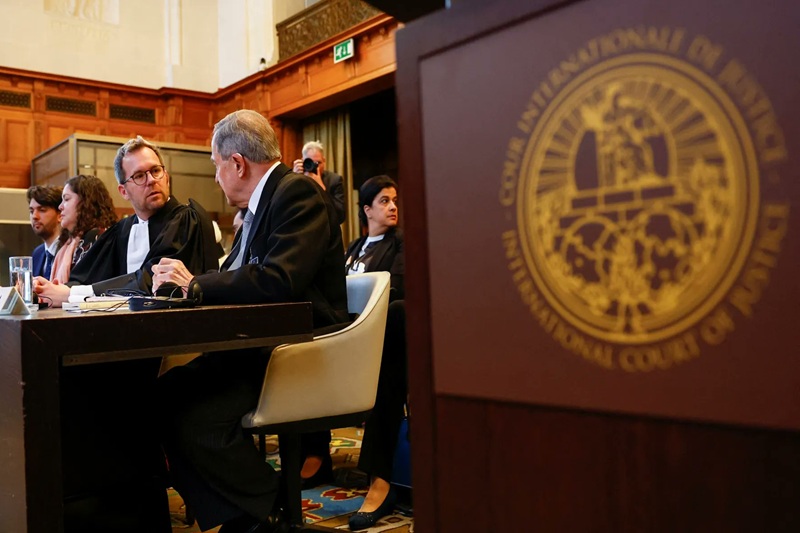
Germany Faces ICJ Hearings Over Gaza War Support: What the Case Accusing Berlin of Aiding Israel Means
Germany isn’t used to being the one in the defendant’s chair at the International Court of Justice. But this week, that’s exactly where it finds itself, as judges in The Hague work through a case brought by Nicaragua over Berlin’s backing of Israel during the Gaza war. To be clear about what’s actually happening: nobody’s ruling yet on whether Germany broke international law. Right now, the fight is more procedural. Germany is arguing the court shouldn’t even be hearing this case in the first place, and that certain parts of Nicaragua’s complaint don’t hold up. Get that argument wrong, though, and Germany could be looking at a much deeper, much longer legal fight over its actual conduct.
How did we get here?
Nicaragua brought the case back in March 2024, claiming Germany breached its obligations under the Genocide Convention and international humanitarian law more broadly. The argument centers on Germany’s political, financial, and military backing of Israel plus its move to cut funding to UNRWA, the UN’s Palestinian refugee agency. Nicaragua says all of that either enabled or failed to stop alleged violations happening in Gaza. Germany, unsurprisingly, denies all of it. It’s worth separating this from the other major Gaza-related case at the ICJ the one South Africa brought against Israel directly over Genocide Convention violations. Similar backdrop, but a completely different legal target. That case is about Israel’s actions; this one is about Germany’s.
What’s on the docket this week
The current round of hearings kicked off Monday, September 7, and runs through September 10. Germany goes first, laying out its objections, and Nicaragua responds afterward. These objections filed back in October 2025 are why the ICJ actually paused the substantive part of the case; the judges wanted to sort out the jurisdiction question before digging into the merits. Basically, Germany’s strategy is to try to get this thrown out before it ever gets to a full trial.
Round one already happened, in 2024
This isn’t the first time Germany and Nicaragua have faced off in front of the court. Back in April 2024, Nicaragua pushed for emergency measures that would have forced Germany to stop certain military and arms-related support to Israel immediately. The judges said no to that request on April 30, 2024. But this matters that wasn’t the court closing the book on the case. It just meant no emergency intervention. The underlying dispute kept moving forward.
Why anyone outside Germany should care
This case is really asking a bigger question than just “did Germany do something wrong.” It’s probing whether a country can be held legally responsible under international law for supplying weapons or other support to an ally, if that support ends up tied to serious violations of humanitarian law elsewhere. For Germany specifically, this touches a nerve that goes back decades; its relationship with Israel is deeply tied to its historical responsibility for the Holocaust and a long-standing commitment to Israel’s security. That history makes this a politically loaded case in a way it might not be for another country. At the same time, Germany’s arms-export practices have been drawing more scrutiny generally. Berlin’s position is that its export system already has legal checks and risk assessments built in and it points out that Germany’s own constitutional court noted the ICJ had already looked at that export-control framework when it rejected Nicaragua’s 2024 emergency request.
What’s Making Headlines You Can’t Miss?
Could Hoekstra Face Expulsion From Canada?
Check out why thousands of Canadians are demanding action against the US ambassador.
Who Is Martina Strong, Really?
Uncover the diplomat’s UAE appointment and the political delays surrounding her confirmation.
Why Did Clancy’s Jury Deadlock?
Find out what led to the mistrial and why the jury couldn’t reach a verdict.
Why Is Lake Ontario Renamed?
Browse what Apple Maps’ surprising “Lake America” change means and why it happened.
Which Haunted Hotels Should You Visit?
Experience five spooky American hotels known for paranormal encounters and eerie stays.
What happens from here
Everything hinges on whether the ICJ buys Germany’s objections. If the judges side with Berlin, some or all of the case could get dismissed right there. If they don’t, the case moves into a much longer phase where the actual allegations get examined in detail in a process that could realistically drag on for years. Either way, these hearings are a preview of something bigger: how international courts are going to handle cases against countries that back a party in a war through money, weapons, or political support, rather than fighting directly themselves. And however this plays out, it’s likely to influence not just German policy toward Israel, but the broader conversation about where the line sits between supporting an ally and sharing legal responsibility for what that ally does.
FAQs
1. Why did Nicaragua take Germany to the ICJ?
Nicaragua alleges that Germany’s political, financial and military support for Israel, as well as its actions concerning UNRWA funding, violated Germany’s obligations under international law.
2. Is Germany already found guilty by the ICJ?
No. The ICJ has made no final ruling that Germany violated international law. The September 2026 hearings concern Germany’s preliminary objections to the case.
3. Did the ICJ order Germany to stop supplying weapons to Israel?
No. In April 2024, the court rejected Nicaragua’s request for provisional measures requiring Germany to halt certain military assistance.

