

France Drowning Deaths Rise During Heatwaves: How Extreme Heat Is Increasing Water-Related Risks
There’s an obvious appeal to jumping into a river or lake when the mercury climbs but French health officials are warning that this instinct is costing lives. New figures from Santé publique France paint a troubling picture: between May 1 and July 15, 2026, the country logged 925 drowning incidents, 274 of them fatal. That’s a 14% jump over the same stretch last year. What’s really striking is how tightly these incidents cluster around heatwaves even though official heat-alert days made up only half the monitoring window, they accounted for nearly three-quarters of all drownings and almost 80% of the deaths. The first heatwave of the year, which ran from May 24 to May 31, made the point starkly: 134 drownings and 48 deaths, compared to just 67 drownings and 18 deaths during a similar non-heatwave stretch in 2025.
Why heat sends people into dangerous water
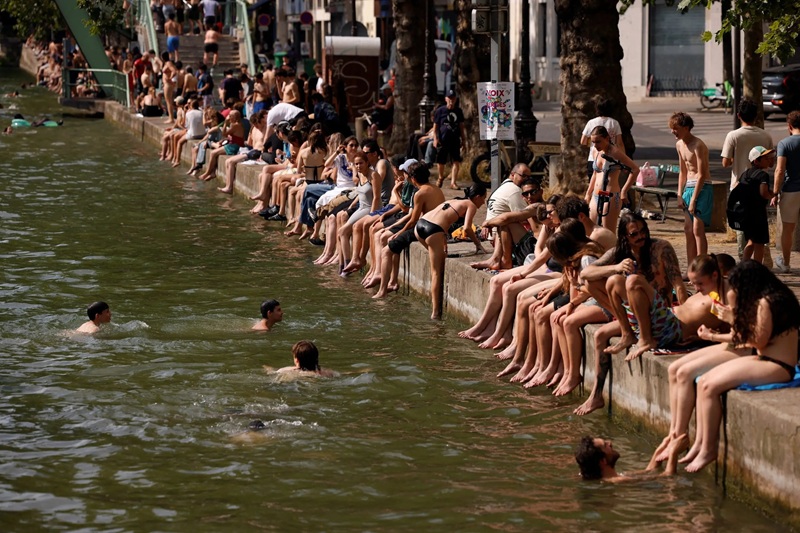
The logic isn’t complicated. When it’s unbearably hot, people go looking for water and not always the safe, supervised kind. Rivers, lakes, and other natural spots often have no lifeguards, and some are technically off-limits to swimmers altogether. These places can hide real dangers: strong currents, sudden drop-offs, and terrain that makes it hard for rescuers to reach someone in trouble. Add in exhaustion, overconfidence in the water, or alcohol, and the risk compounds fast.
A pattern that’s been building
This isn’t a one-off. Summer 2025 told a similar story on a larger scale: 1,418 drownings and 409 deaths between June and September, up 14% and 16% respectively from 2024. The worst stretch came during a heatwave from June 19 to July 8, when drownings spiked 135% and deaths surged 172% compared to the same weeks the year before. Officials pointed to the heat itself as the driver, pushing more people toward the water.
It’s not just the coast
Perhaps counterintuitively, inland France nowhere near the Mediterranean or Atlantic beaches is seeing some of the sharpest increases. Drownings in landlocked regions jumped 48% in 2026, from 180 to 267 incidents. Île-de-France, the greater Paris region, saw fatal drownings more than double, from 14 to 35. It’s a sign that as heat becomes more extreme, people are turning to whatever water is nearby, whether or not it was ever meant for swimming.
Curious stories worth exploring next?
Where Can Solo Travellers Feel Safest?
Check out 15 tourist destinations ideal for safe and memorable solo travel for those aged 50 and above.
How Is UAE Becoming A Tech Hub?
Dive into the UAE’s AI investment strategy and discover how the Gulf is building its global technology future.
What Caused Japan’s Deadly Floods?
Uncover the record-breaking rainfall, deadly flooding and disruption that stranded thousands at Narita Airport.
Where Can You See Basking Sharks?
Explore Ireland’s best spots for an unforgettable close-up encounter with giant basking sharks in the wild.
How Did Bali’s Ferry Catch Fire?
Find the latest details on the ferry fire, rescue operation and the 172 passengers who survived.
What needs to change
The takeaway for public health officials is that heatwave planning can’t just be about hydration reminders and telling people to stay inside. It may also need to mean more lifeguards, clearer signage at rivers and lakes, and louder warnings precisely when temperatures spike. France has already responded in one way, moving up the start of its official drowning-surveillance season from June to May 1, 2026, to capture more of the risk window.
The bottom line from health authorities: stick to supervised swimming spots, skip the alcohol before getting in the water, keep a close eye on kids, and respect local swimming bans because escaping the heat shouldn’t come with this much risk attached.
FAQs
Why do drowning incidents rise during heatwaves in France?
Extreme heat encourages more people to visit swimming areas to cool down. Some choose unsupervised rivers, lakes or other natural sites where risks can be harder to identify.
Are children or adults more affected?
Both groups are at risk. However, France’s 2026 data indicates that the increase in total drowning incidents was mainly driven by adults.
Are rivers and lakes dangerous during heatwaves?
Yes. Natural waterways can have currents, sudden depth changes and other hazards. Swimming bans and local safety warnings should always be followed.

