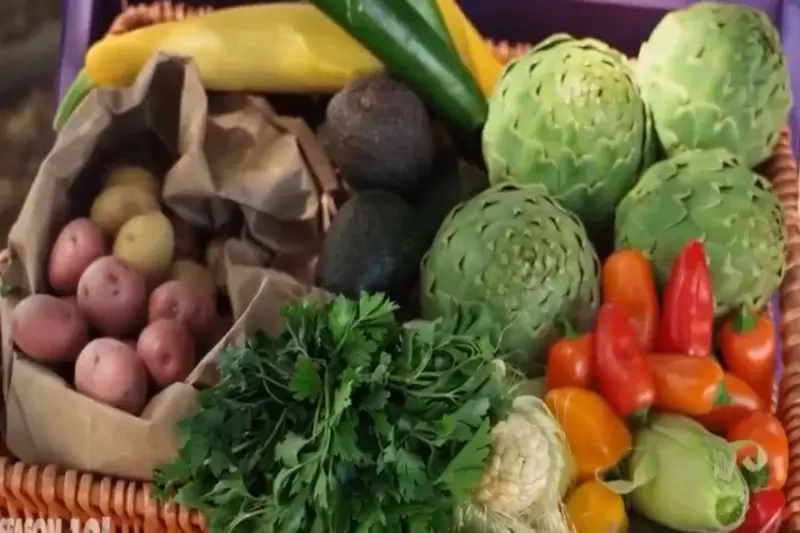
Foods That Support Younger-Looking Skin
A youthful complexion is not built by one expensive cream or miracle drink. Everyday meals matter too. Choosing foods for younger-looking skin means adding nutrients that help skin repair itself and protect cells. Food cannot stop ageing, but a balanced diet may help skin stay healthy over time.
Fill your plate with colour
Carotenoids, plant compounds that help to protect cells from damage, are present in carrots, tomatoes, red peppers and leafy vegetables. Tomatoes provide lycopene and carrots and peppers provide beta-carotene, which can be converted to vitamin A. A vitamin that is necessary for normal cell growth in the skin.
Vitamin C is also a factor. It supports the production of collagen, which provides the structure of skin. Oranges, guava, strawberries, broccoli and peppers are useful sources. The NHS recommends adults take 40mg of Vitamin C each day and get sufficient amounts on a normal diet.
Some carotenoids are better absorbed with a little olive oil added to the vegetables.
Choose nuts, seeds and oily fish
Vitamin E, found in almonds, sunflower seeds and other nuts, protects cells from damage. They also provide fat that is good for you. Oily fish like salmon, sardines and mackerel contain omega-3 fats that can help to maintain the skin barrier. If you’re looking for a plant-based choice: try ground flaxseed or chia seeds.
There were only 28 women who finished a 16-week almond trial and a mango pilot with different results at varying serving sizes. Both need larger follow-up studies.
Feed your gut as well as your skin
A varied diet of fruits, vegetables, beans, lentils, whole grains, nuts and seeds supports gut microbes. Yoghurt and other fermented foods may also provide helpful live microbes. Researchers are studying the link between gut health and skin, often called the “gut-skin axis”, but its effects are not yet fully understood.
Keep expectations realistic
A 2025 review pooling 61 studies found that some dietary approaches, including fatty acids and plant compounds called polyphenols, were linked with improvements in skin hydration or wrinkles. However, studies differed, and evidence for vitamins was limited. Collagen supplements remain uncertain: a separate review of 23 trials involving 1,474 people found no clear benefit in higher-quality studies.
The best approach is simple: eat a colourful, varied diet and stay hydrated. Food is not a substitute for sun protection. The American Academy of Dermatology says daily broad-spectrum SPF 30 or higher can slow skin ageing. As it puts it, “Sunscreen is the closest thing we have to a fountain of youth.” A healthy plate and daily sun protection work better together than any single “anti-ageing” food.
Discover the Foods, Nutrition Trends, and Health Choices Shaping Better Living
Can Collagen-Rich Foods Give You Healthier Skin?
Which High-Fibre Foods Improve Gut Health?
Explore 15 fibre-rich foods that can support better digestion, gut health, and overall wellness.
Why Are Governments Targeting Processed Foods?
Which Foods Help Build Stronger Bones?
Check out the foods nutrition experts recommend for stronger bones and better long-term bone health.
Why Is the Ethnic Foods Market Growing?
Uncover the trends driving the ethnic foods market and its projected $22.02 billion expansion.