New ‘Fast-Spread’ Norovirus Strain Sparks Panic on Evacuated Tenerife Cruise Beyond Hantavirus Fears
What began as a frightening hantavirus scare aboard a Tenerife-bound cruise has now escalated into something even more unsettling. Health officials investigating the quarantined vessel say a fast-spreading strain of norovirus has also been detected, raising fresh concerns among passengers, authorities, and the global cruise industry. For hundreds of travelers expecting sunshine and luxury near Spain’s Canary Islands, the trip has instead turned into days of isolation, medical screenings, and mounting anxiety. The outbreak first drew international attention after several passengers reportedly showed symptoms linked to hantavirus, a rare but potentially deadly rodent-borne disease. The emergency evacuations soon began, with the Spanish authorities taking sick and high-risk individuals to special facilities in Madrid for observation and quarantine. Now, doctors say the situation onboard may be more complicated than initially believed.
A Second Virus Changes Everything
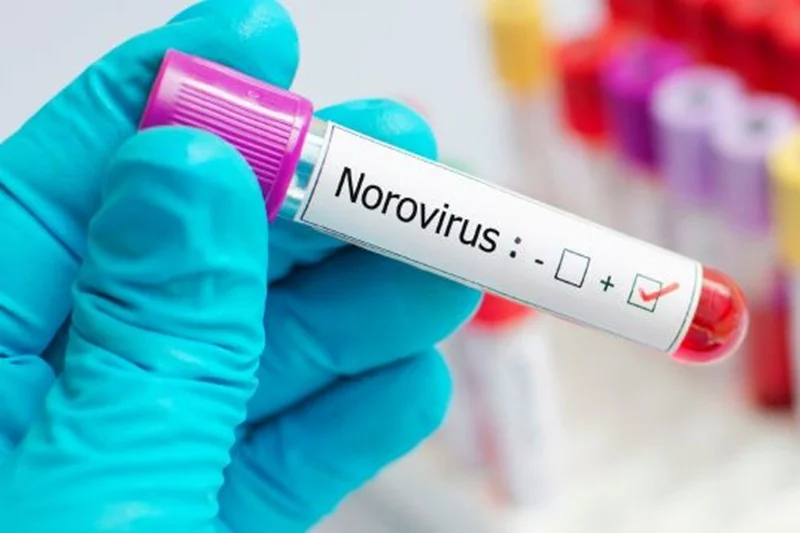
Medical teams working on the grounded ship have reportedly confirmed the presence of a highly contagious norovirus strain spreading rapidly among passengers and the crew. Unlike hantavirus, which affects the respiratory system and is considered relatively rare, norovirus is infamous for triggering explosive outbreaks in crowded environments. Cruise ships are particularly vulnerable. Sharing food areas, closed cabins, elevators, buffets, and recreation centers provide perfect settings where the virus can spread rapidly between people. Officials investigating the Tenerife outbreak believe the strain may be transmitting faster than conventional norovirus infections seen in previous cruise incidents. Passengers described scenes of confusion as more travelers began reporting stomach-related symptoms while quarantine measures intensified. Some initially believed the illness was linked to food poisoning before laboratory testing reportedly identified the virus.
What Is Norovirus?
Often referred to as the “winter vomiting bug,” norovirus is one of the world’s most contagious gastrointestinal viruses. This is spread through contaminated food, water, surfaces, or even physical contact. Any minute traces of the virus could infect a person. Unlike bacterial infections, antibiotics do not work against norovirus. Most patients recover within a few days, but the illness can become dangerous for children, older adults, and people with weakened immune systems because of severe dehydration. Doctors involved in the Tenerife case are reportedly monitoring whether this strain behaves differently from typical outbreaks due to its unusually rapid transmission.
Symptoms Passengers Are Reporting
Health officials say symptoms generally appear between 12 and 48 hours after exposure.
Some common symptoms of norovirus infections may include:
Vomiting and/or diarrhea, stomach cramps, fever, headache, body ache, and weakness. The medical staff onboard the cruise ship is reported to be highly involved in dehydration therapy and isolation to stop the virus from spreading further.
Why Cruise Ships Are Susceptible to Norovirus Infections
Cruise ships have been struggling against norovirus infections for years now, mainly due to the reason that thousands of people share enclosed quarters together for weeks. One infected passenger touching a buffet utensil, elevator button, or restroom surface can unknowingly expose dozens more within hours. Experts say this suspected fast-spreading strain may survive longer on hard surfaces, making routine cleaning even more critical. The simultaneous hantavirus concerns have only intensified fears. While investigators believe the two outbreaks may be unrelated, the overlap has created a highly unusual public health emergency.
Emergency Response Intensifies
Spanish health authorities have tightened containment measures around the vessel as contact tracing efforts expand across multiple countries. Other evacuated passengers continue to be under observation, with a few facing longer observations due to the risks associated with hantavirus infection. Additionally, more restrictions have been introduced by the officials from the port of Tenerife while cleanup operations are carried out on the cruise ship. Travel alerts are beginning to circulate within Europe as operators begin to evaluate their ship sanitization procedures before the peak summer tourist season.
How Travelers Can Protect Themselves
Doctors continue to advise that prevention is still the best strategy against norovirus infections.
According to the experts, travelers should:
Wash hands thoroughly using soap and water for 20 seconds; regularly clean frequently touched surfaces; remain isolated for at least 48 hours after their symptoms cease; and consume electrolyte-containing beverages to avoid dehydration. Another point brought up by professionals is that alcohol-based hand sanitizers are not as effective in preventing norovirus infection as washing hands properly.
Recommended Reads You Shouldn’t Miss
Discover One Piece 1182 Spoilers?
Explore the expected release date, major twists, and key manga spoilers fans are discussing.
Discover Cinco de Mayo Food Trends?
Explore how tacos and regional tequilas are transforming Cinco de Mayo celebrations in 2026.
Check BTS Mexico Tour Frenzy?
Discover how BTS received a massive welcome as global ARMY fans gathered in Mexico.
Explore Why Nintendo Raised Prices?
Check the latest reasons behind Nintendo Switch 2 price hikes worldwide and what it means for gamers.
Explore Jessica Jones Marvel Return?
Check how Daredevil: Born Again Season 2 is reshaping Marvel’s street-level universe.
Growing Worries for the Cruise Sector
This new case has once again opened the discussion regarding sanitization policies within the cruise industry mere years after the pandemic changed the face of travel safety.
Analysts predict that this outbreak might lead to cancellations of reservations and a closer examination of sanitation practices on board during the vacation season in Europe.
Cruise operators now face pressure to reassure travelers that existing health systems are strong enough to contain future outbreaks before they spiral into international emergencies.
For passengers trapped in the middle of the Tenerife crisis, however, that reassurance may already feel too late.
FAQs
Q: Is this new norovirus strain deadlier than regular ones?
A: No, fatality is low, but it spreads quicker. Focus on prevention to avoid the misery.
Q: Should I cancel my cruise vacation now?
A: Monitor advisories. Most sailings are fine with hygiene, but high-risk folks maybe should wait.
Q: What’s the best home remedy if I catch it?
A: Pedialyte or broth for fluids. Skip dairy; rest up. See a doctor if there’s no improvement in 48 hours.
Q: How long does norovirus live on surfaces?
A: Days to weeks. Bleach kills it, key for cruise cabins.
Q: Any travel insurance covering this?
A: Many do for medical evacuations. Check “cancel for any reason” riders amid these scares.